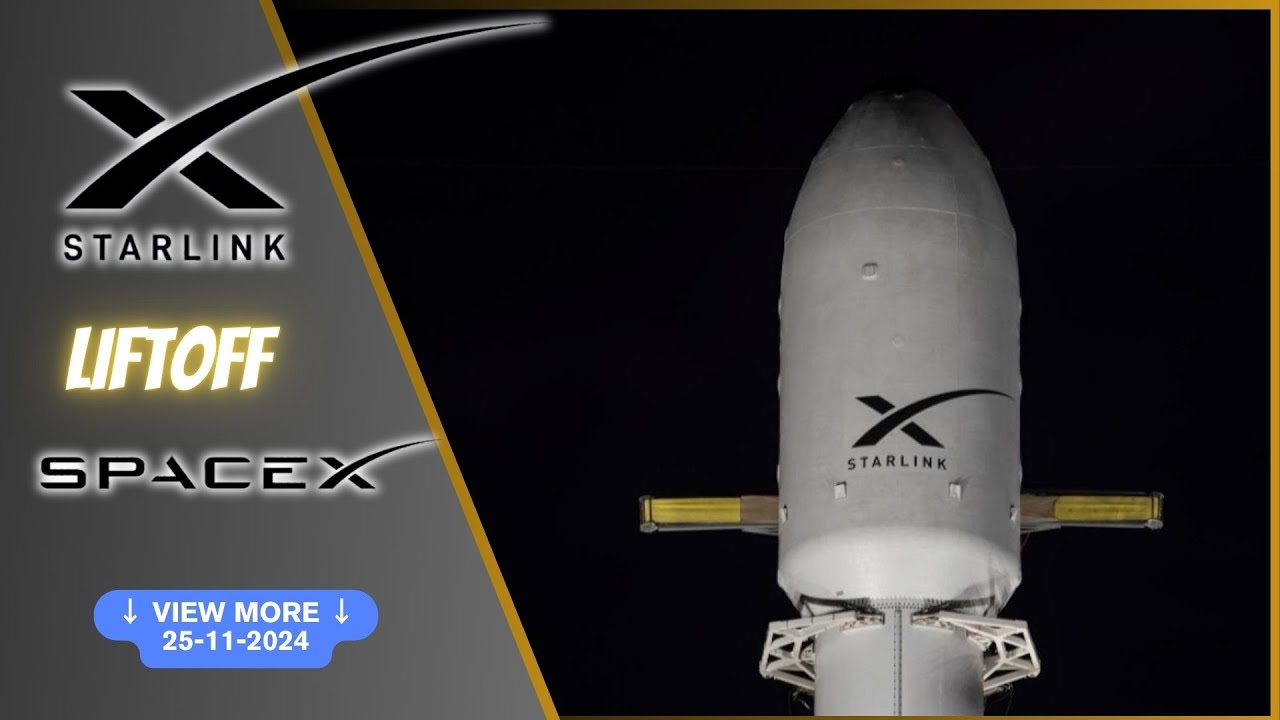
Introduction to Starlink
With the advent of technology and the rising demand for high-speed internet access globally, SpaceX’s Starlink service has become increasingly relevant. Starlink is a satellite internet constellation project initiated by SpaceX, aiming to provide broadband internet service to underserved and remote areas worldwide.
The Launch of Starlink
As of October 2023, Starlink has launched over 4,000 satellites into low Earth orbit. This extensive constellation is designed to offer internet coverage to virtually every corner of the planet. The service started rolling out to beta users in 2020 under the name ‘Better Than Nothing Beta’, and since then, it has expanded rapidly, gaining traction among users in both urban and rural areas who struggle with conventional ISPs.
Recent Developments and Coverage
In recent months, Starlink has announced expansions into countries in Africa and parts of Asia, responding to the growing global need for reliable internet access. The Federal Communications Commission (FCC) in the United States recently approved further funding for Starlink’s expansion, acknowledging the role it plays in bridging the digital divide in underserved regions.
Moreover, users have reported encouraging speeds, often exceeding 100 Mbps with latency comparable to traditional broadband services. This level of service presents a significant advantage for remote work, online education, and telehealth services, particularly in regions where reliable internet has previously been unattainable.
The Impact of Starlink
The implications of Starlink’s global internet access are profound. For businesses, the connection can facilitate better collaboration across borders and enhance opportunities in e-commerce. For individuals, especially in rural areas, it opens up new avenues for education and economic growth.
Conclusion
As Starlink continues its rapid development and expansion, its influence on global internet access is undeniable. The focus on underserved markets highlights a significant shift in how internet service can be provided. With forecasts suggesting that by 2025, Starlink could potentially serve millions of customers, the future looks promising. As the service matures, we can expect not only improved connectivity for users but also a transformative impact on global communication and information sharing.