Introduction
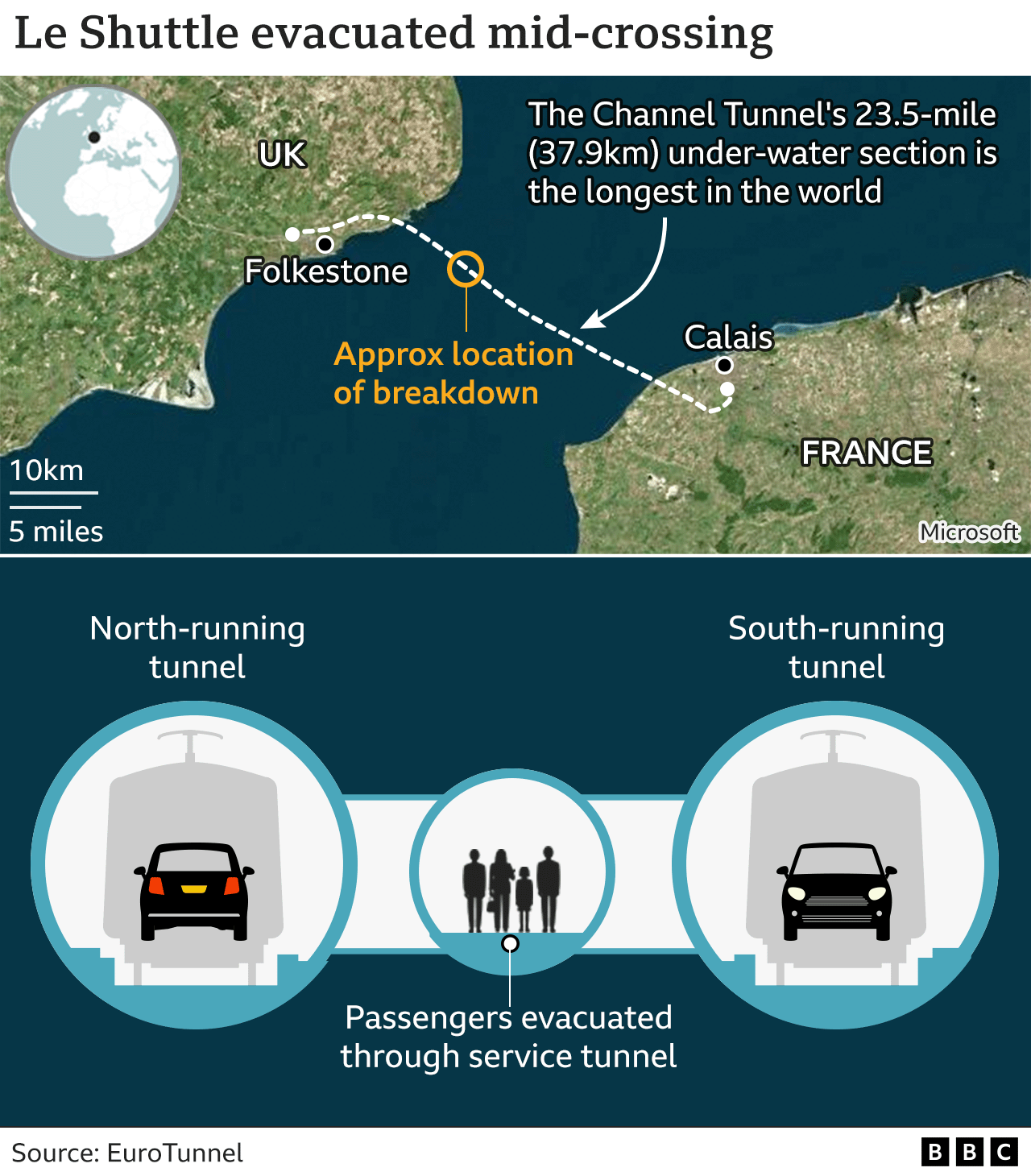
The Channel Tunnel, also known as the “Chunnel,” is an engineering marvel that connects Folkestone in the United Kingdom with Coquelles near Calais in France. Opened in 1994, the Tunnel is one of the longest underwater tunnels in the world, measuring approximately 50.45 kilometers (31.4 miles) in length. The significance of this structure extends beyond transportation; it promotes economic ties between the UK and continental Europe, providing a vital artery for trade, travel, and cultural exchange. In light of the ongoing geopolitical events and challenges arising from COVID-19, the Tunnel’s relevance remains at the forefront of discussions on transport and commerce.
Main Body
The Channel Tunnel was constructed over a period of six years, with the project costing around £4.65 billion. The Tunnel comprises three parallel tunnels: two for train traffic and one for maintenance. High-Speed 1 trains running Eurostar services travel at speeds of up to 300 km/h (186 mph), drastically cutting down travel time between London and Paris to about two hours and fifteen minutes.
In addition, the Tunnel has also been a lifeline for freight services, with the Eurotunnel Le Shuttle allowing cars and lorries to be transported across the Channel. The Tunnel played a crucial role during the coronavirus pandemic, facilitating the movement of essential goods and supplies between the UK and Europe when other travel routes were dramatically affected.
As of recent developments, the Channel Tunnel continues to navigate through challenges presented by Brexit. The departure of the UK from the EU necessitated adjustments in customs and immigration protocols, leading to increased scrutiny and processing times at terminals. However, the Tunnel remains a popular choice for international travel and trade, with a strong uptake noted in recent months as restrictions ease and economies begin to recover.
Conclusion
The future of the Channel Tunnel looks promising. As Europe continues to recover from the pandemic, the potential for growth in passenger and freight services is significant. Plans for enhancing services and improving infrastructure are underway, which aim to make the Chunnel more resilient in the face of future challenges.
For travellers and businesses alike, the Channel Tunnel not only represents a vital connection between two regions but also symbolizes cooperation and progress amidst changing circumstances. Its importance is likely to increase further, reinforcing the economic relationships between the UK and Europe for years to come.