Introduction
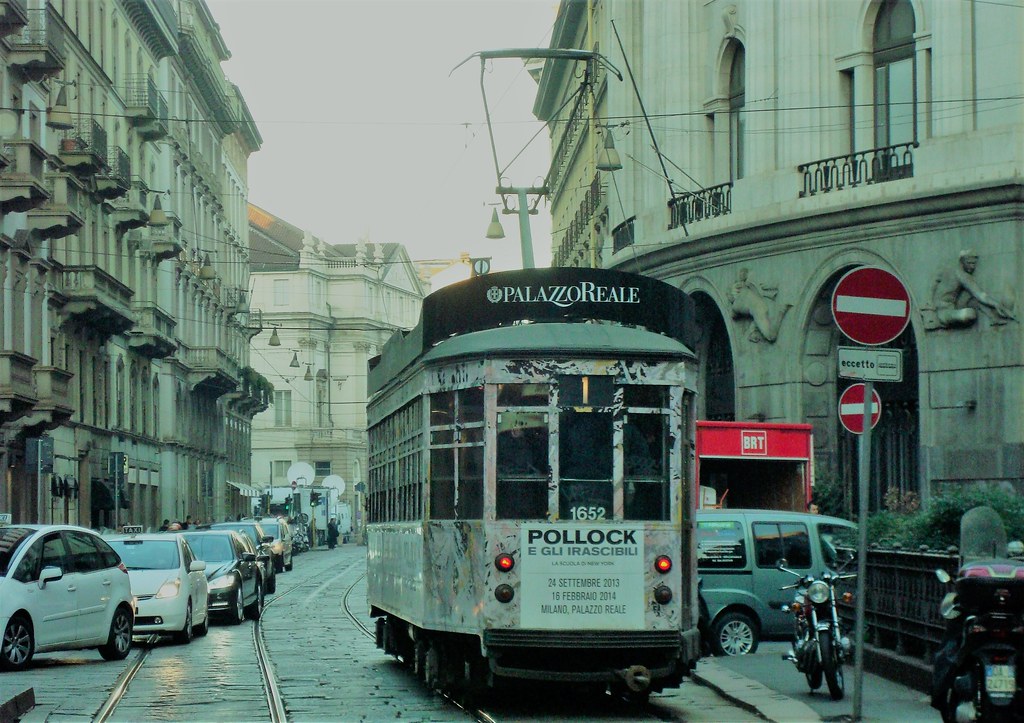
Milan, known as the fashion capital of the world, is a city that blends rich historical significance with modern innovation. Positioned in northern Italy, Milan serves as a crucial financial hub and cultural centre. Its importance is further heightened due to various renowned events, including Fashion Week and the Milan Triennale, which attract visitors and influencers from around the globe. With its unique character, Milan continues to play a pivotal role in shaping global trends in art, design, and fashion, making it essential for readers interested in cultural developments.
Historical Significance
The city’s history dates back to ancient Roman times, originally founded as ‘Mediolanum’. Today, remnants of its past coexist with contemporary architecture. Milan is home to the famous Cathedral of Milan (Duomo di Milano), a renowned Gothic masterpiece. The cathedral, which took nearly six centuries to complete, symbolizes Milan’s artistic achievements and serves as a vital landmark for tourists. Furthermore, the Sforza Castle, a testament to the city’s strategic importance during the Renaissance, has become a cultural venue, housing museums and art collections that provide insights into Milanese heritage.
Cultural Events and Attractions
Milan is vibrant with events that attract millions every year. The Milan Fashion Week, held twice a year, showcases leading designers and sets trends for the upcoming seasons. In 2022, the event welcomed over 90,000 visitors from 150 countries, highlighting the city’s influence in the fashion industry. Additionally, Milan hosts the Salone del Mobile, the world’s most important design fair, which draws designers, architects, and enthusiasts from around the world, contributing over €200 million to the local economy. Aside from events, the city boasts several museums such as the Pinacoteca di Brera, which features works by Italian masters including Caravaggio and Raphael.
Conclusion
In conclusion, Milan stands as a testament to the synergy of history and modernity. Its prominence in fashion and culture, combined with its historical landmarks, makes it a unique destination for those seeking depth in their travel experiences. As the city continues to evolve, embracing sustainability and innovation, its significance is only expected to grow. For readers, understanding Milan’s journey and current state offers valuable insights into the broader trends shaping global art and fashion. Thus, whether planning a visit or seeking to stay updated on cultural trends, Milan remains a city of great interest and importance.