Introduction
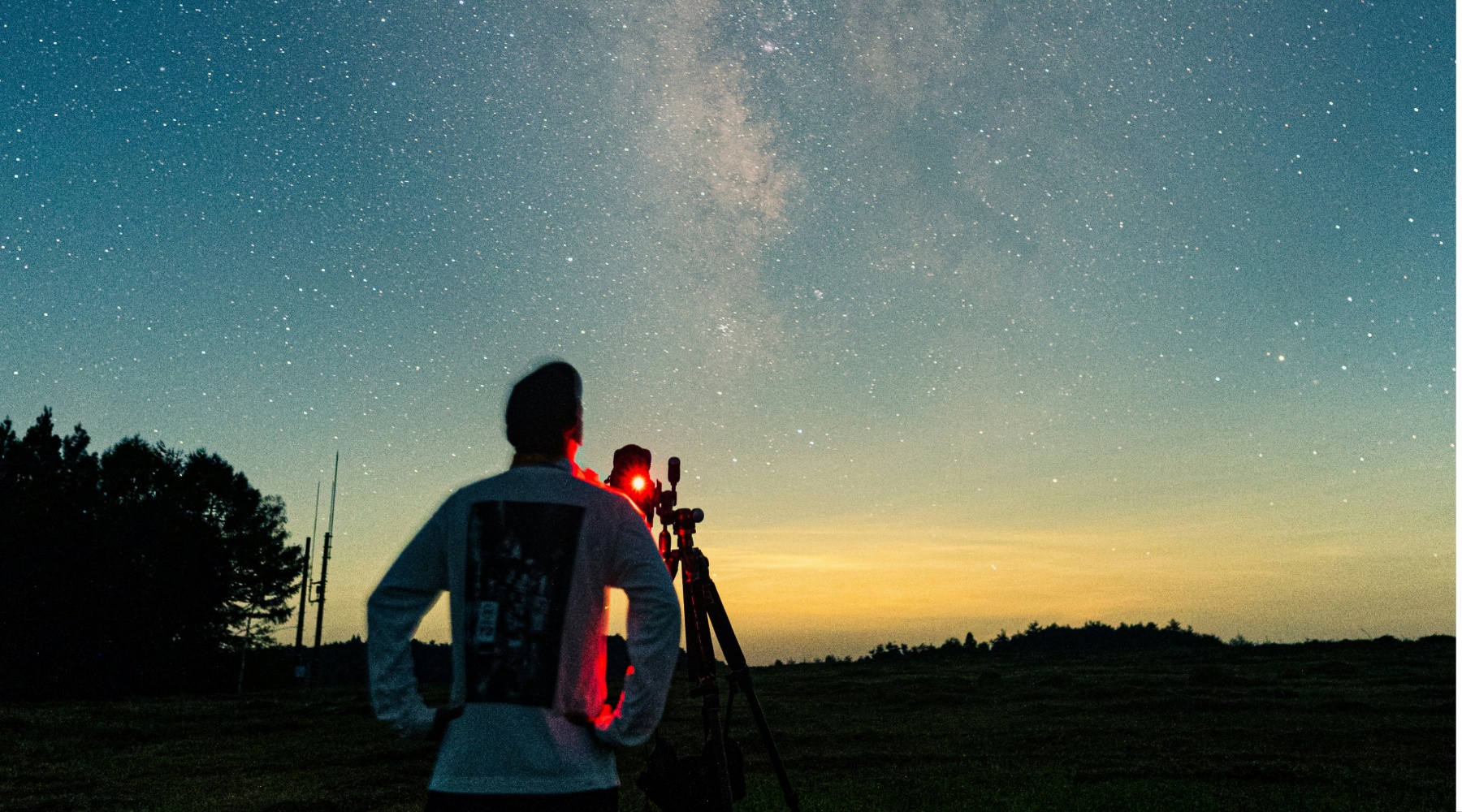
The northern lights, also known as aurora borealis, are one of nature’s most captivating phenomena. Their ethereal lights dancing across the night sky have captivated observers for centuries, often invoking wonder and curiosity. This natural light display occurs predominantly in polar regions, making it an important topic for both scientists and enthusiasts alike, especially as interest grows in climate change impacts on these environments.
The Science Behind the Northern Lights
The phenomenon occurs when charged particles from the sun collide with gases in the Earth’s atmosphere. These interactions produce stunning visuals of green, red, blue, and violet lights. The solar wind carries these particles, and when they reach Earth, they are directed by the planet’s magnetic field toward the polar regions. Scientists monitor solar activity, particularly sunspots and solar flares, to predict aurora activity, allowing for better opportunities to witness this spectacle.
Best Locations for Viewing
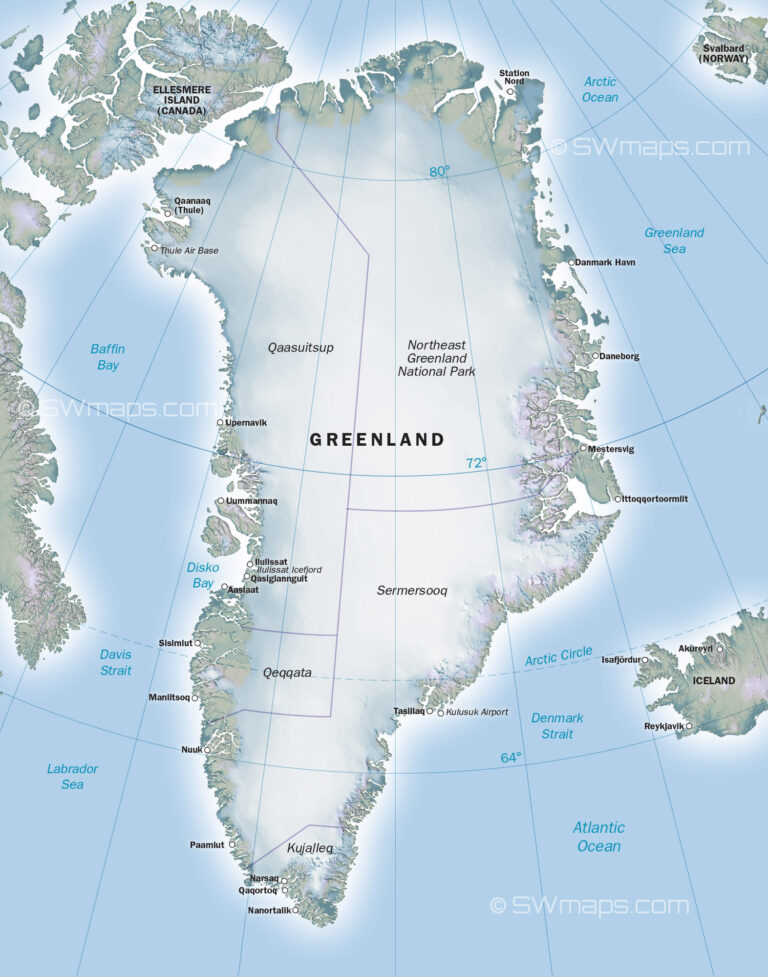
Some of the best locations worldwide to observe the northern lights include countries within the Arctic Circle, such as Norway, Sweden, Finland, Canada, and parts of Alaska. Locations such as Fairbanks, Alaska, and Tromsø in Norway often provide optimal viewing conditions due to their clear skies and low light pollution. As of 2023, various tour companies now offer guided excursions, enhancing accessibility for those wishing to experience the northern lights firsthand.
Current Events and Future Prospects
Recent reports indicate an increase in solar activity, which could lead to more frequent and intense auroras in the coming years. The current solar cycle, known as Solar Cycle 25, is anticipated to peak around 2025, suggesting that viewing conditions may improve. As climate change continues to modify weather patterns, researchers are keenly interested in understanding how these changes may affect the frequency and visibility of the auroras.
Conclusion
The northern lights are not just a beautiful display; they are a symbol of the delicate balance of environmental and atmospheric conditions on Earth. For those who have yet to experience them, the coming years may provide ample opportunity to witness this incredible natural wonder. As information about solar activity becomes more readily available, individuals planning their adventures should keep these forecasts in mind for optimal viewing conditions, ensuring they don’t miss one of nature’s most enchanting spectacles.