Introduction
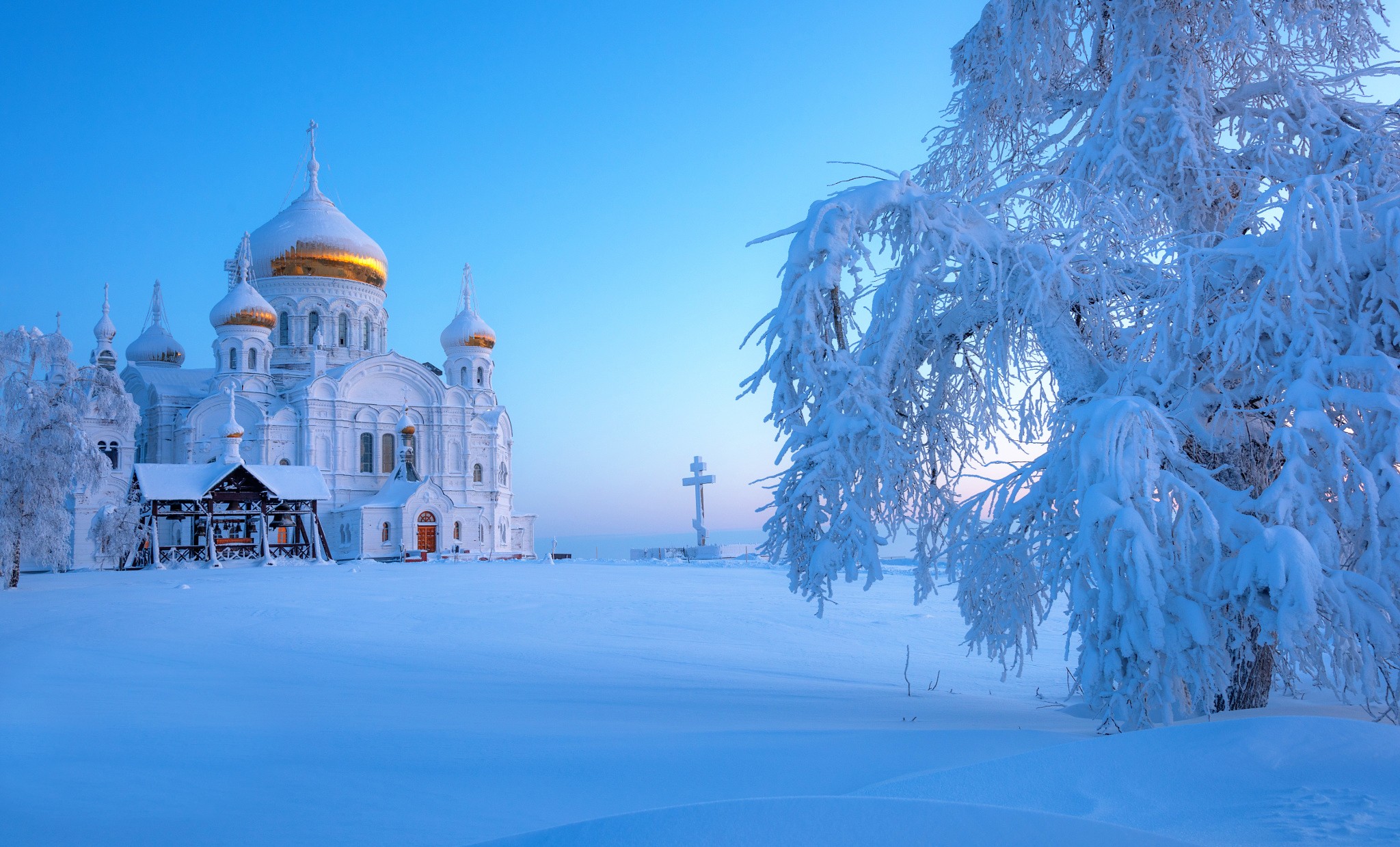
The recent heavy snowfall across Russia has not only transformed the landscape into a winter wonderland but has also posed significant challenges to daily life and transportation. As one of the coldest countries in the world, Russia is no stranger to severe winters, but this season’s snowfall has raised concerns over infrastructure resilience and public safety.
Current Snow Conditions
As of January 2024, parts of central and western Russia have recorded snow depths reaching up to two metres, with cities like Moscow and St. Petersburg experiencing some of the heaviest snowfall in recent history. Meteorologists predict that these conditions will persist, with continued flurries expected over the coming weeks.
This winter has witnessed an unusual pattern of snowstorms, attributed to shifts in weather systems and climate conditions. Reports reveal that while heavy snow is typical during the winter months, the intensity of this year’s snowfall has brought severe disruptions to transport networks.
Transportation Disruptions
The snow has resulted in widespread disruptions, affecting both road and air travel. Major airports in Moscow have reported delays and cancellations, with airlines advising passengers to check their flight status prior to travelling. Ground transport has also faced obstacles, with traffic gridlocks reported on major highways due to poor visibility and icy conditions.
Local authorities are mobilising resources to clear snow from roads, with heavy machinery deployed to ensure essential services are maintained and emergency routes remain accessible. However, with forecasts predicting further snow over the next few days, the effectiveness of these efforts is being put to the test.
Public Safety and Preparedness
Amidst the inclement weather, officials have urged residents to exercise caution. Emergency services have issued warnings regarding the risks of ice and avalanches in certain regions. Public service announcements emphasise the importance of preparing for prolonged periods of heavy snowfall, suggesting residents stock up on essential supplies and avoid unnecessary travel.
Conclusion
The ongoing snowstorm in Russia highlights the challenges posed by severe winter weather. As authorities work to manage the situation, the resilience of infrastructure and public services will be put to the test. Looking ahead, there is a growing recognition of the need for improved winter preparedness strategies to better cope with the effects of climate change on weather patterns in Russia. This season serves as a reminder of the dual nature of winter’s beauty and its potential for disruption, setting the stage for ongoing discussions about climate resilience and response in the face of natural challenges.