Introduction: The Importance of Weather Predictions
Understanding weather patterns and climate predictions is crucial for planning in various sectors, including agriculture, disaster management, and urban development. As we advance towards 2026, scientists and meteorologists are focused on identifying trends that could dramatically affect life on Earth. This article delves into anticipated weather conditions and climate change implications that may shape the year 2026.
Current Climate Trends and Predictions
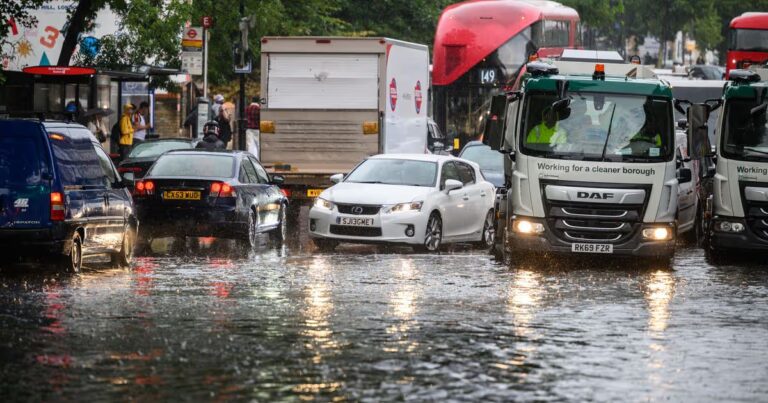
According to the latest report from the Intergovernmental Panel on Climate Change (IPCC), the globe is expected to experience significant changes in weather patterns over the coming years. By 2026, average temperatures may have risen by approximately 1.5 degrees Celsius compared to pre-industrial levels, catalysing severe weather conditions. Increased frequency of heatwaves, storms, and heavy rainfall is anticipated, particularly affecting vulnerable regions.
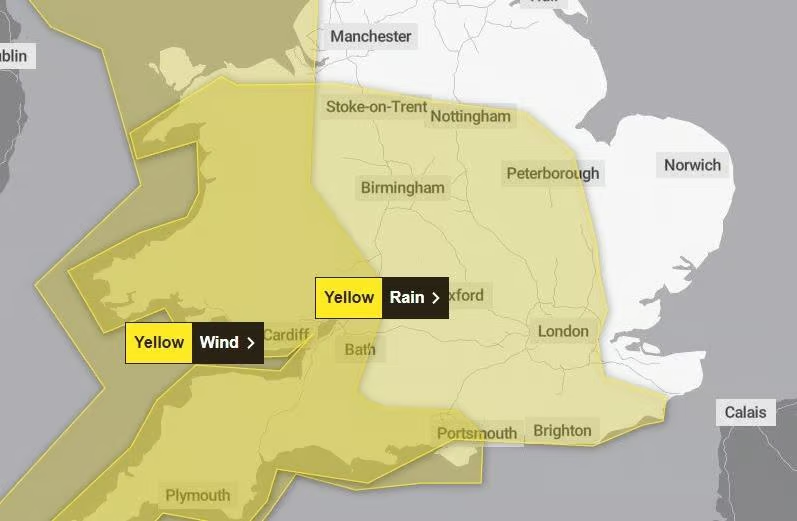
Experts predict that more regions will face seasonal extremes. For example, the United Kingdom could experience wetter winters and drier summers, impacting agricultural output and water resources. Similarly, parts of Asia may suffer from intensified monsoons leading to flooding, while other areas might face prolonged droughts.
Regional Variations in Weather for 2026
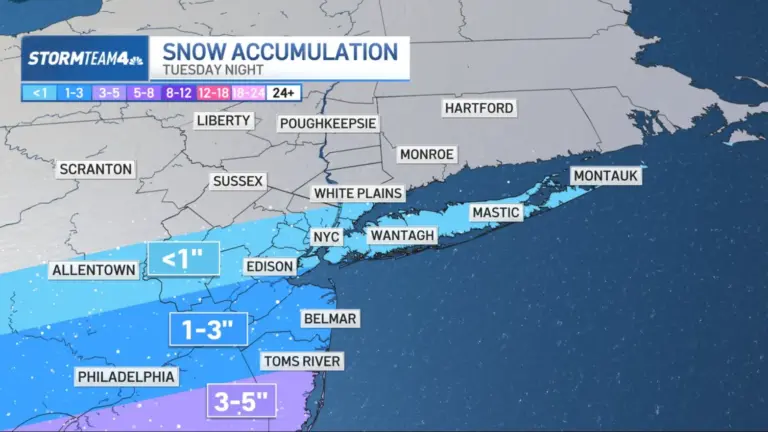
In North America, particularly the United States, the National Oceanic and Atmospheric Administration (NOAA) forecasts that 2026 will likely see an uptick in hurricane activity. Warmer Atlantic waters can lead to more powerful storms, greatly affecting coastal communities. Furthermore, Pacific Northwest regions might experience increased rainfall due to changing ocean currents.
In Europe, shifts in wind patterns may bring unpredictable weather, with evidence suggesting increased snowfall in mountainous areas causing both challenges and opportunities for winter tourism. Conversely, southern European regions might become more prone to intense heatwaves and wildfires, becoming crucial factors for fire management strategies.
Conclusion: Preparing for a Changing Climate
As we look ahead to 2026, the need for proactive measures in response to weather changes is essential. Governments, industries, and communities must collaborate to implement mitigation strategies that address the effects of climate change. Investment in renewable energy, improved infrastructure, and community preparedness can play significant roles in adapting to these shifting weather patterns. While forecasts are not definitive, being informed can help us comprehensively manage the challenges posed by a constantly changing climate and ensure a better future for all.