Introduction
The case of Enoch Burke, a teacher from Ireland, has become a focal point in discussions surrounding education, freedom of expression, and gender identity in the UK and Ireland. This controversy highlights the ongoing tensions between personal beliefs and institutional policies, making it a significant topic relevant to educators, students, and the broader public.
Background of the Case
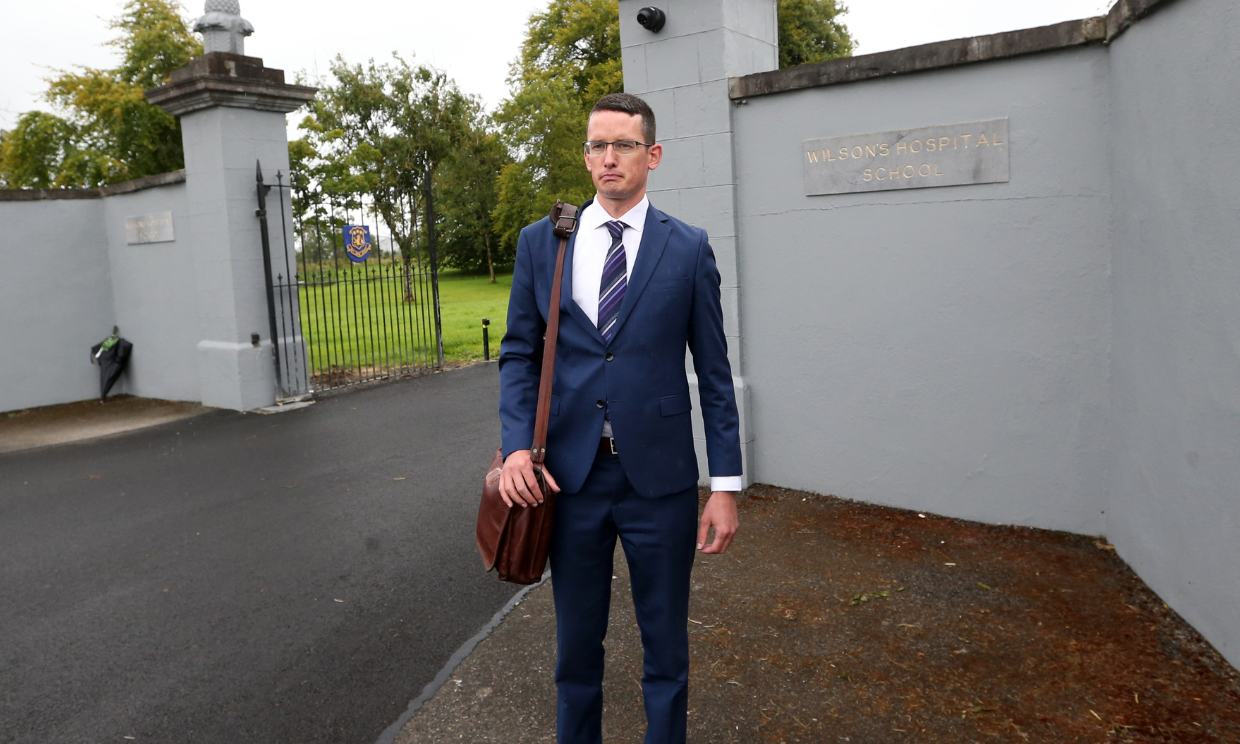
Enoch Burke, previously employed at Wilson’s Hospital School in Westmeath, gained media attention after he refused to use a transgender student’s preferred pronouns, citing his Christian beliefs. This confrontation resulted in Burke being suspended from his position and later dismissed for his non-compliance with the school’s policies on inclusivity and respect for students’ identities. His case has since led to an ongoing legal battle, with Burke challenging the dismissal as unfair and discriminatory.
Recent Developments
In recent weeks, Enoch Burke’s appeal against his dismissal has garnered widespread media coverage. The High Court in Ireland is set to review his case, focusing on whether his actions fall under the protection of freedom of speech or if they significantly disrupt the inclusive environment the school aims to cultivate. Burke’s steadfast stand has resonated with many who advocate for traditional values, while sparking outrage from those who view his actions as harmful to transgender rights.
The public response has been mixed. Supporters maintain that the school infringed upon Burke’s rights, arguing for the importance of free expression, even in educational settings. Conversely, critics argue that his stance reflects a lack of respect for students’ identities, highlighting a pressing need for educational institutions to protect vulnerable individuals from discrimination.
Conclusion
The Enoch Burke case underscores vital discussions surrounding the balance between personal beliefs and professional conduct within educational frameworks. As the legal proceedings continue, the outcome may set significant precedents regarding teachers’ freedoms versus the rights of students to be treated with dignity and respect. This case serves not only as a flashpoint for debate in Ireland but also for educational institutions worldwide, where the complexities of identity, belief, and inclusion remain critical issues. Moving forward, the discussions sparked by Burke’s situation will likely influence policies on inclusivity and free speech across various sectors.