Introduction
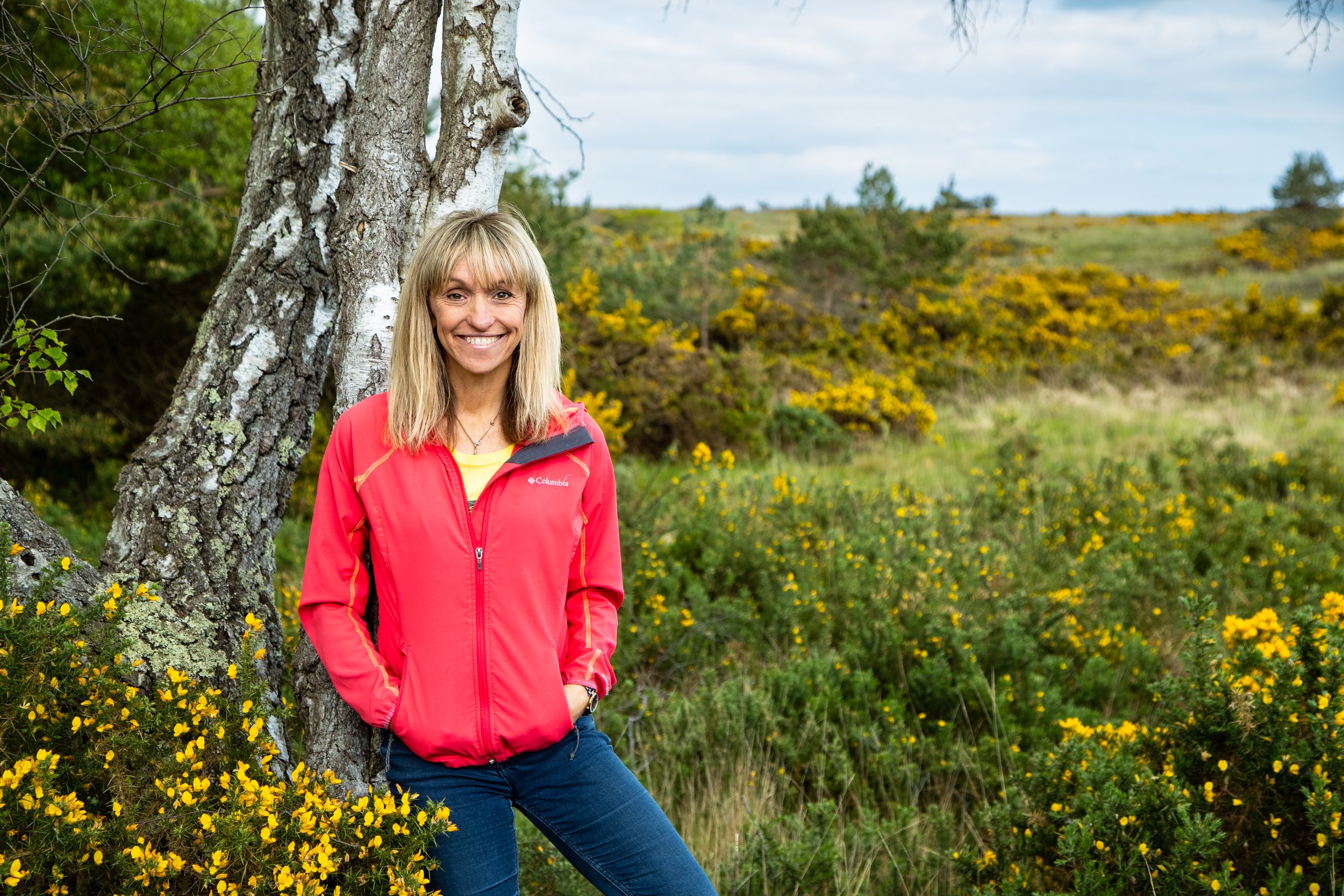
Michaela Strachan is a name synonymous with wildlife presentation in the United Kingdom. With a career spanning over three decades, she has not only captured the hearts of audiences but has also played a crucial role in fostering a love for nature and conservation. Michaela’s work has been particularly relevant in today’s world, where environmental issues are at the forefront of public consciousness. Her dedication to wildlife and natural history has made her a prominent figure in nature broadcasting.
Career Milestones
Strachan’s journey began in the late 1980s with her debut on children’s television. However, it was her role as a presenter on the BBC’s ‘The Really Wild Show’ that catapulted her into the public eye. The show, aimed at introducing children to the wonders of wildlife, ran for several years and became a staple in the programming schedule of the time.
In the 1990s, she transitioned to hosting prime-time wildlife documentaries, where her friendly demeanor and enthusiasm made complex ecological topics accessible to viewers of all ages. Michaela’s work on ‘Springwatch’ and ‘Autumnwatch’ has been particularly noteworthy, as these programmes have brought millions of viewers closer to British wildlife and the need for conservation.
Advocacy for Wildlife Conservation
Beyond her role as a presenter, Michaela Strachan is an active advocate for wildlife conservation. She has partnered with various charities, including the RSPCA and the WWF, to raise awareness about the threats facing wildlife and the importance of conservation efforts. Strachan’s passion for animals extends beyond her professional life; she regularly participates in campaigns focusing on wildlife protection and environmental sustainability.
Current Developments
Recently, Strachan has been involved in several initiatives aimed at engaging younger audiences in wildlife conservation. Through social media and community outreach, she has managed to inspire a new generation to appreciate the natural world. Furthermore, her continued presence in popular nature documentaries ensures that vital environmental messages reach a broad audience.
Conclusion
Michaela Strachan’s contributions to wildlife presentation and conservation are significant and ongoing. With her ability to connect audiences with the natural world and raise awareness about environmental issues, Strachan continues to be a pivotal figure in UK wildlife broadcasting. As she takes on new projects and challenges, her legacy as a key advocate for wildlife conservation remains secure. Moving forward, it is likely that her influence will inspire even more positive action towards preserving the natural habitats of wildlife, crucial for future generations.