Introduction
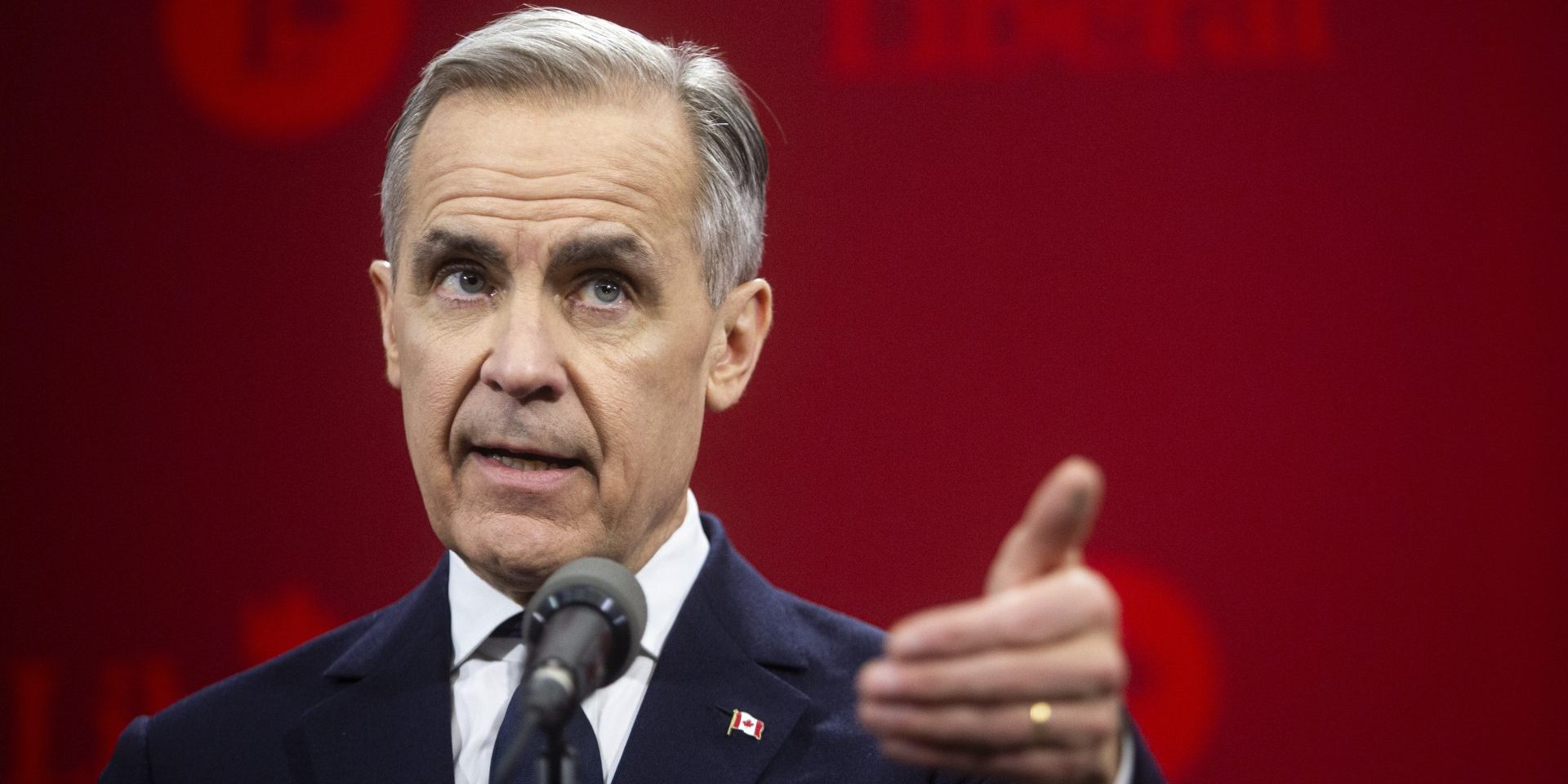
Mark Carney, the former Governor of the Bank of England (BoE), has had a significant influence on global financial policy and economic stability. His leadership during tumultuous financial times has drawn attention from economists and policymakers alike. As the world grapples with post-pandemic recovery and climate change, Carney’s insights and initiatives remain highly relevant.
Career Highlights
Mark Carney served as the Governor of the BoE from 2013 to 2020, overseeing interest rate decisions, inflation targets, and financial regulations during Brexit and the COVID-19 pandemic. Before this role, he was the Governor of the Bank of Canada. Under his stewardship, the BoE adopted innovative measures to ensure liquidity and stability in the financial system. Carney also played a pivotal role in implementing macroprudential policies aimed at preventing future financial crises.
Climate Change Advocacy
After his tenure at the BoE, Carney has become a leading voice on the financial risks posed by climate change. He is the UN Special Envoy for Climate Action and Finance, where he advocates for a sustainable financial future. In 2021, he launched the Glasgow Financial Alliance for Net Zero, a coalition of financial institutions committed to transitioning to a net-zero economy by 2050. Carney argues that addressing climate risk is essential for ensuring the stability of the global economy.
Current Developments
Recently, Carney has continued to contribute to discussions on economic recovery and sustainability. In a recent conference, he highlighted the necessity for governments and corporations to integrate climate risk assessments into their financial planning. He also called for increased transparency in reporting environmental impacts, which many believe will bolster investor confidence and attract more capital towards sustainable initiatives.
Conclusion
Mark Carney’s influence on both monetary policy and climate action underscores the interconnectedness of financial systems and environmental sustainability. As the global economy faces uncertainties, his insights and leadership remain important for fostering resilience and promoting sustainable growth. The implications of his work are critical for policymakers, financial institutions, and investors as they navigate the challenges of today and prepare for the future.