Introduction
The US inflation rate has been a focal point in economic discussions as it significantly affects both consumers and the broader economy. As inflation influences purchasing power, interest rates, and overall economic growth, understanding its current trajectory is crucial for businesses, policymakers, and families alike.
Current Inflation Rate Trends
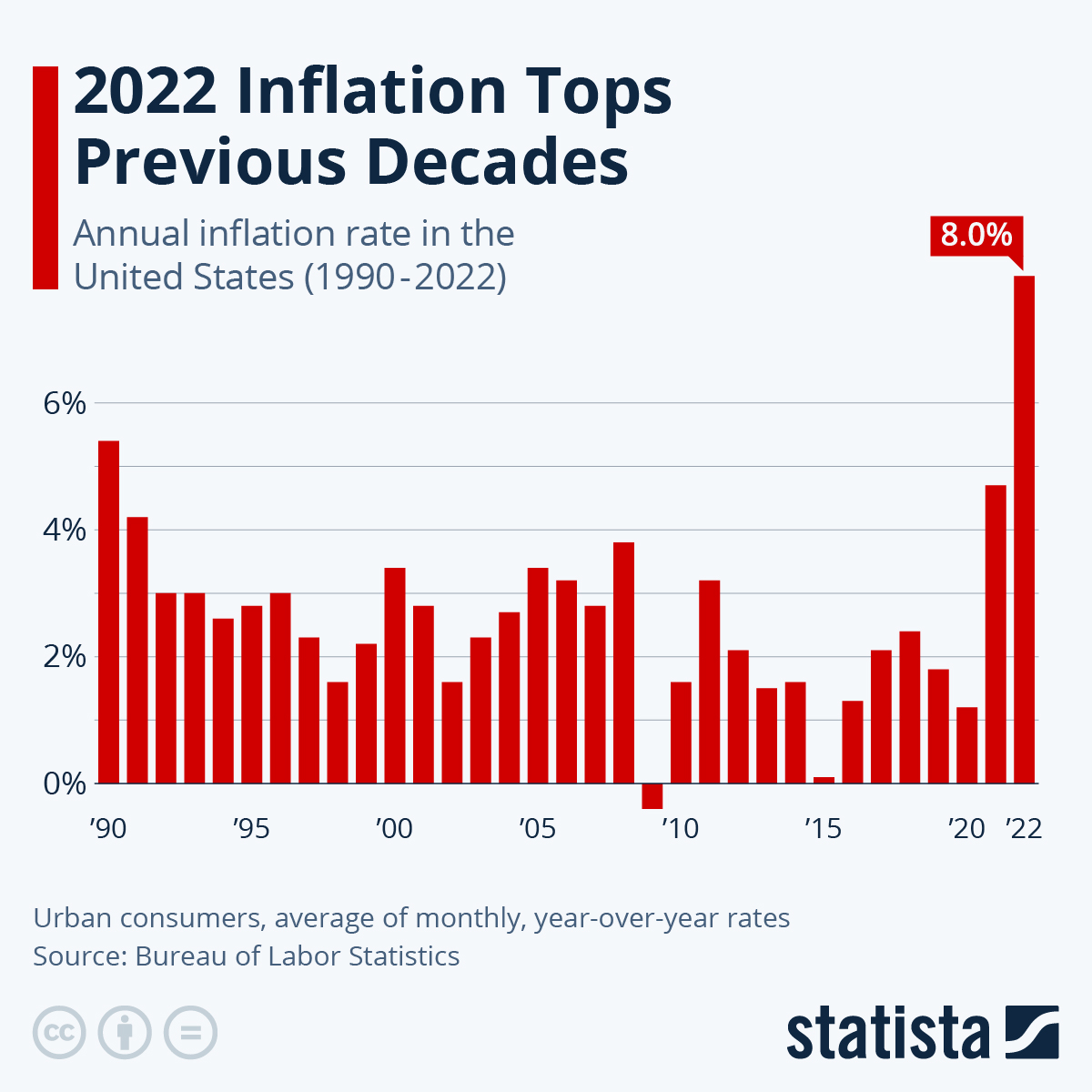
As of October 2023, the annual inflation rate in the United States stands at approximately 3.7%, according to the latest data released by the Bureau of Labor Statistics. This marks a decrease from the peak rates observed in 2022, which soared above 8%. The current inflation is attributed to a combination of factors including supply chain disruptions, rising energy costs, and increased consumer demand in various sectors.
Key Factors Influencing Inflation
Several key factors have been identified as driving the current inflation rate:
- Supply Chain Issues: Disruptions caused by the pandemic and geopolitical tensions have continued to affect the supply chain, particularly in the manufacturing and shipping sectors.
- Energy Prices: The cost of oil and gas has fluctuated significantly due to various global factors, contributing to higher overall expenses for businesses and consumers.
- Increased Consumer Demand: As the economy rebounds from the pandemic, a surge in consumer spending has also been a factor, increasing demand for products and services.
Impacts on the Economy
The implications of the current inflation rate are wide-ranging. For consumers, high inflation erodes purchasing power, making everyday goods more expensive. Conversely, the Federal Reserve may respond with increased interest rates to curb inflation, which can slow down economic growth and alter borrowing costs for individuals and businesses.
Conclusion
In conclusion, the current US inflation rate of 3.7% reflects a complex interplay of factors, including ongoing supply chain challenges and changes in consumer behaviour. As inflationary pressures continue, monitoring these trends will be essential for understanding their ongoing impact on the economy. Predictions suggest that if supply chain issues are resolved and energy prices stabilise, inflation may gradually decrease further. However, policymakers will need to balance this with measures to foster economic growth, making the situation dynamic and interlinked with various global developments.