Introduction
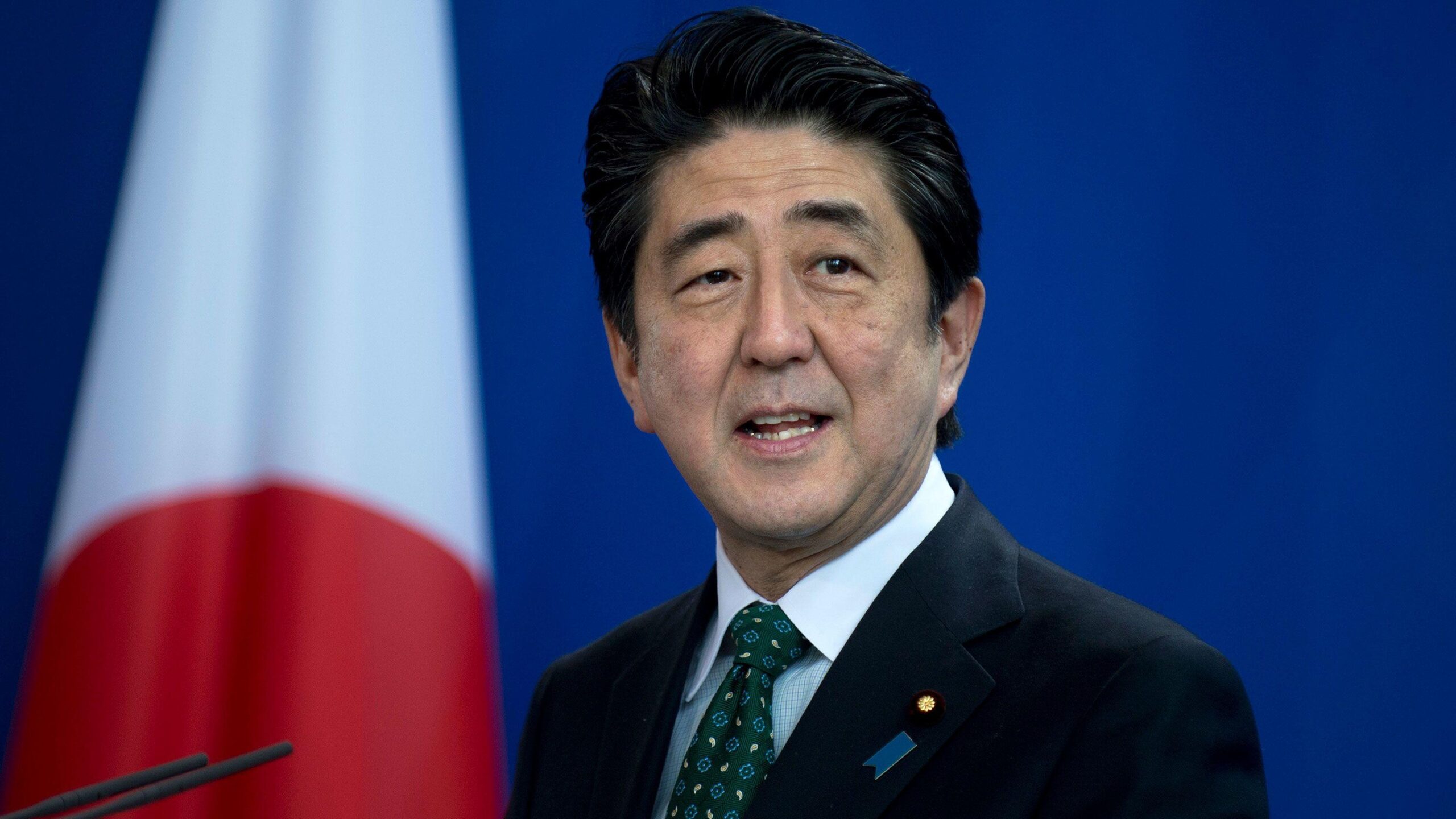
Shinzo Abe, Japan’s longest-serving Prime Minister, played a pivotal role in shaping modern Japanese politics. His leadership had lasting impacts both domestically and internationally, making his life and policies a critical point of discussion following his assassination in July 2022. The significance of Abe’s leadership endures, influencing Japan’s governmental approach and international relations.
Abe’s Political Influence
Shinzo Abe first became Prime Minister in 2006, briefly serving until 2007. He returned to power in 2012, holding office until September 2020. Under his administration, Japan experienced economic revival through his policies, known as “Abenomics,” aimed at combating deflation and energising the economy. His approach included aggressive monetary policy, fiscal stimulus, and structural reforms, which resulted in steady economic growth, though critics argue it did not sufficiently address income inequality.
Shifting Foreign Policy
Abe’s tenure marked a significant shift in Japan’s foreign policy, with a focus on strengthening military capabilities and enhancing strategic partnerships, especially with the United States and in the Asia-Pacific region. His government endorsed collective security arrangements and increased military spending, notably in response to threats from North Korea and China. Abe was also a key figure in negotiating the Comprehensive and Progressive Agreement for Trans-Pacific Partnership (CPTPP), illustrating his commitment to free trade.
Impact of His Assassination
The assassination of Shinzo Abe on July 8, 2022, sent shockwaves throughout Japan and the world, prompting discussions on political violence and security in democracies. The event has reignited public interest in his policies and legacy, leading to increased scrutiny of current political leaders and policies that may reflect Abe’s vision. Following his death, numerous tributes were paid, highlighting the complexities of his leadership and the polarised sentiments that his policies engendered.
Conclusion
As Japan continues to navigate its political landscape, the legacy of Shinzo Abe remains significant. His contributions to economic reforms and foreign policy will likely influence future administrations. The impact of his assassination persists, serving as a poignant reminder of the volatility within global politics. For those interested in Japanese affairs, understanding Abe’s legacy offers valuable insights into the challenges and opportunities that lie ahead for Japan.