Introduction to Winterwatch
Winterwatch, a popular nature programme produced by the BBC, returns for its 2023 season, showcasing the beauty and challenges of wildlife during the colder months. This series not only entertains but educates viewers about the adaptations of various species as they survive the winter. The importance of this programme lies in its ability to promote environmental awareness and understanding of seasonal changes affecting wildlife.
Highlights of Winterwatch 2023
This year, Winterwatch is broadcasting live from various locations across the UK, including the captivating landscapes of Scotland and the picturesque forests of Wales. Through live cameras, the audience can witness the behaviour of local animals, including red squirrels, hedgehogs, and a variety of bird species that are uniquely adapted to thrive in winter.
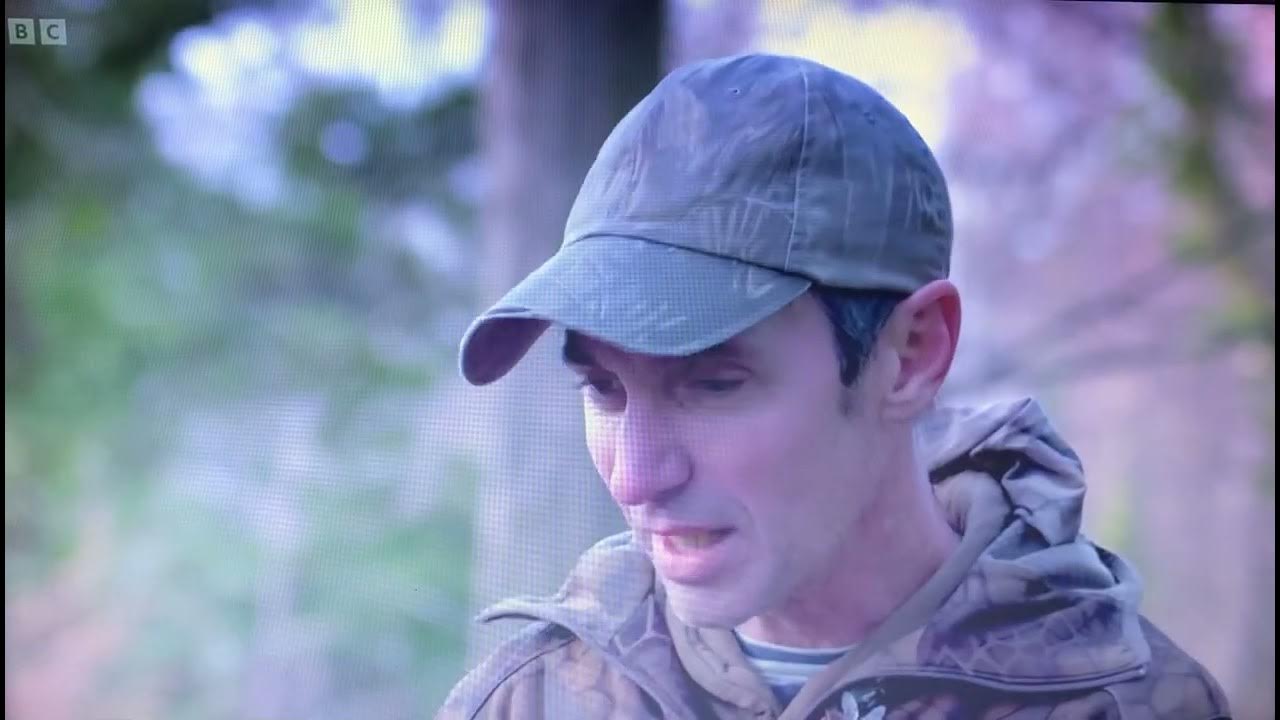
In the latest episodes, presenters such as Chris Packham and Michaela Strachan have highlighted the impact of extreme weather patterns on wildlife, including discussions on how climate change is influencing migration patterns and hibernation schedules. Special segments have also been dedicated to garden wildlife, offering viewers practical tips on how to create a winter-friendly habitat to support birds and mammals in their own backyards.
Viewer Engagement and Community Involvement
Winterwatch encourages audience participation through its social media platforms, inviting viewers to share their wildlife sightings and experiences. This interactive approach has cultivated a sense of community among nature lovers, promoting citizen science and contributing to data collection on various wildlife species during winter.
Conclusion and Future Developments
As Winterwatch 2023 unfolds, it is clear that its significance goes beyond mere entertainment. The programme serves as a vital reminder of the interconnectedness of ecosystems and the importance of conserving wildlife habitats. Looking ahead, viewers can expect more in-depth discussions surrounding wildlife conservation challenges, as well as how individuals can make a difference in their local environments. The ongoing popularity of such programming underscores the public’s growing interest and concern for the natural world, making it crucial to continue these conversations into the future.