Introduction
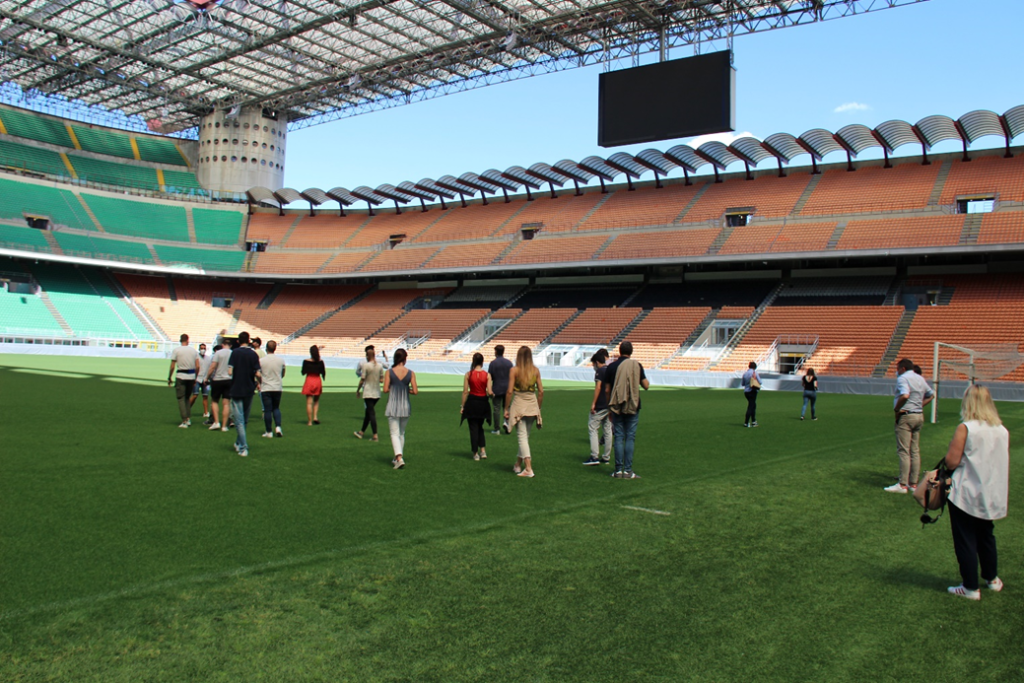
San Siro Stadium, officially known as Stadio Giuseppe Meazza, is one of the most iconic football venues in the world, located in Milan, Italy. Opened in 1926, it is home to two of Italy’s biggest football clubs, AC Milan and Inter Milan. The stadium not only serves as a hub for sports enthusiasts but also as a cultural landmark that attracts millions of visitors every year. With plans for renovation and potential new stadium projects in the air, the future of San Siro remains a hot topic among fans and city planners alike.
Historical Significance
Over the decades, San Siro Stadium has witnessed numerous historic moments, from legendary matches to unforgettable performances. The venue has a seating capacity of nearly 75,000, establishing it as one of the largest stadiums in Europe. It was named after the district in which it is located and later took on the name of Giuseppe Meazza, a celebrated footballer who played for both AC Milan and Inter Milan.
The stadium has hosted unparalleled events, including multiple UEFA Champions League finals, World Cup matches in 1990, and European Championship matches in 1980. Not only is it a place for football, but it has also welcomed music legends like Bruce Springsteen, Madonna, and Ed Sheeran, making it a multifaceted entertainment venue.
Recent Developments
In recent months, discussions around the future of San Siro have intensified, especially with proposals for a new stadium to replace the iconic structure. AC Milan and Inter Milan announced plans for a modern stadium that aims to enhance the matchday experience while addressing concerns about the aging infrastructure of the current stadium. Local authorities and club executives have held meetings to explore options that would respect the history of the site while allowing for necessary upgrades.
Community Impact
The significance of San Siro goes beyond football; it is a key part of Milan’s culture and economy. The stadium attracts tourism and generates income for local businesses, from hotels to restaurants. Fans worldwide regard it as a pilgrimage site, contributing to its stature in the global sporting arena. Both clubs deeply engage with community initiatives, further cementing the stadium’s role as a civic landmark.
Conclusion
As discussions about the future of San Siro Stadium continue, its legacy as one of football’s most beloved venues is undeniably significant. While modernization efforts may shift its physical form, the essence of San Siro as a symbol of Milan’s sporting and cultural heritage is expected to endure. Fans and communities alike await the outcomes of these plans, hopeful for a future that honours its storied past while embracing innovation.