Introduction
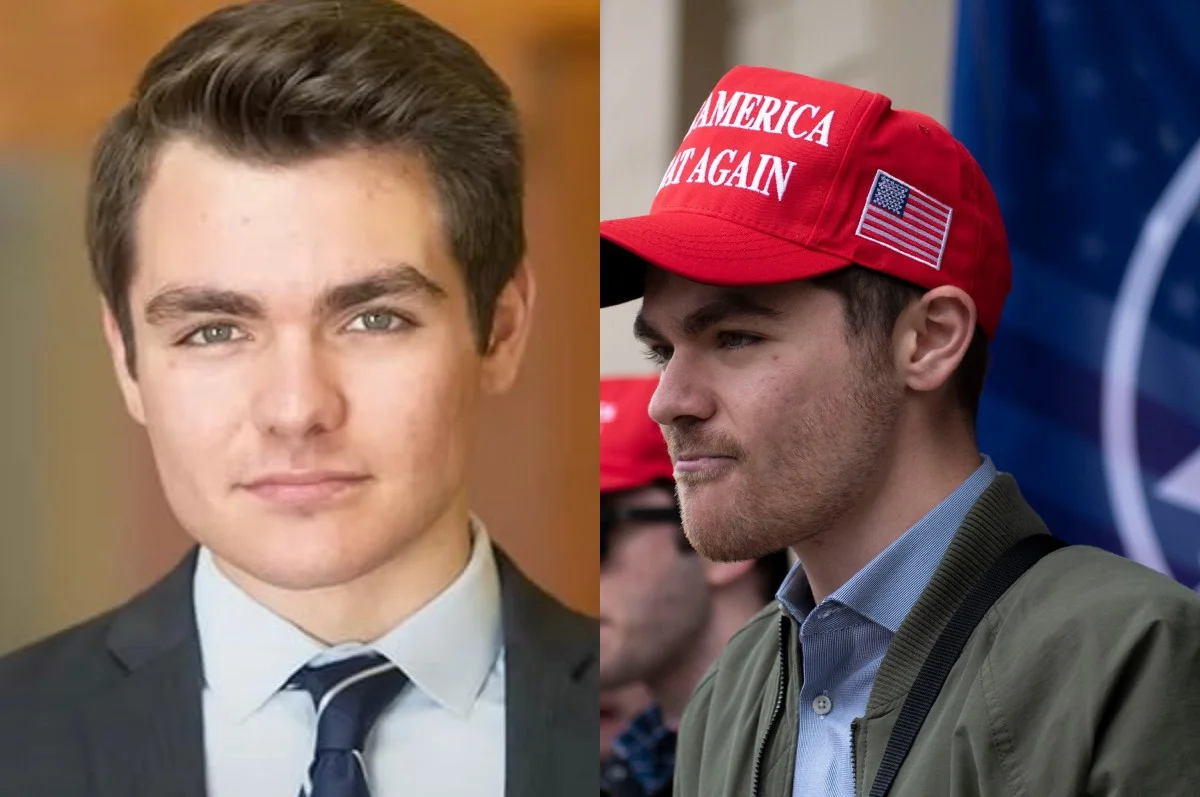
Nick Fuentes has emerged as a significant, if controversial, figure in the landscape of American politics and online commentary. Known for his provocative views and participation in far-right activities, Fuentes has garnered attention from both supporters and critics alike. His influence in online political discourse raises important questions about the state of modern conservative movements and the boundaries of free speech.
Background and Rise to Prominence
Nick Fuentes, born in 1998, began his public career by commenting on social issues and politics through his YouTube channel, which quickly attracted attention. Gaining notoriety partly due to his alignment with the alt-right, he openly criticises mainstream Republican leaders and promotes nationalist ideologies. Fuentes’s rise to prominence was propelled by his participation in the “Groyper Wars,” where he aimed to challenge traditional conservative figures by engaging in public forums, highlighting what he deemed insufficiently right-wing policies.
Controversies and Criticism
Fuentes has repeatedly found himself at the centre of several controversies. His remarks have drawn significant scrutiny and condemnation from various quarters, including civil rights groups and mainstream media. Accusations of promoting hate speech, bigotry, and antisemitism have marked his career, compelling platforms like YouTube to ban his channels. In recent years, he has also participated in debates and events that further ignite discussions around the far-right agenda and its implications for American society.
Recent Developments and Public Engagement
In 2023, Fuentes reportedly announced a political campaign, intending to leverage his online popularity into a more formal political role, further solidifying his impact on the far-right. His followers have reinforced an enduring commitment to his brand of politics, promoting messages across various social media platforms. Public reactions to his activities have been mixed, with supporters expressing admiration for his authenticity, while detractors caution about the dangerous ideologies he espouses.
Conclusion
Nick Fuentes represents a polarising character in contemporary political discourse, highlighting the schisms within conservative thought in the United States. As debates about free speech and hate speech continue to evolve, Fuentes’s ongoing prominence raises concerns about the future direction of political ideologies and the role of social media in shaping public opinion. For readers, understanding Fuentes’s influence may provide critical insight into the broader dynamics of contemporary politics and the challenges of engaging with diverse viewpoints.