Introduction
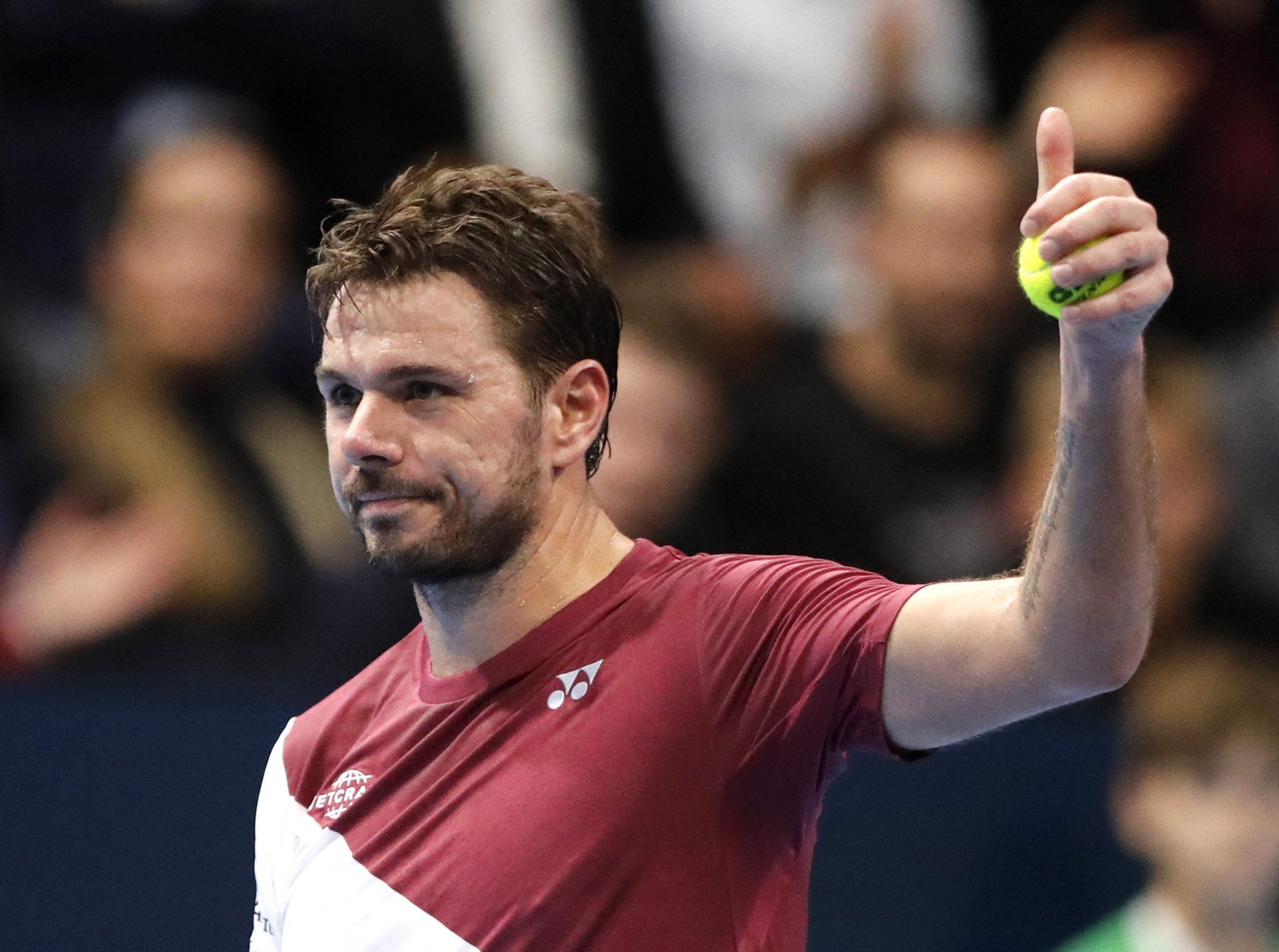
Stan Wawrinka, a name synonymous with resilience and determination in the world of tennis, has made headlines in recent months as he continues his pursuit of success on the ATP Tour. Known for his intense playing style and powerful one-handed backhand, Wawrinka has captured the hearts of tennis fans globally. His journey is particularly relevant today as discussions around mental health in sports gain momentum, showcasing how athletes overcome challenges both on and off the court.
Recent Performances and Rankings
After undergoing significant rehabilitation from a long-term knee injury, Wawrinka has made a commendable return to professional tennis. In 2023, he played a series of tournaments, including the Australian Open and the French Open, where he reached the fourth round, displaying glimpses of his past brilliance. Currently ranked 50th in the ATP rankings, the 38-year-old has expressed hopes of breaking back into the top 20 by the end of the year, a goal many pundits believe is realistic given his recent form.
Impact on Tennis and Legacy
Wawrinka’s impact on tennis transcends his Grand Slam success, which includes three titles: the 2014 Australian Open, the 2015 French Open, and the 2016 US Open. His counter-punching style and fierce baseline game have inspired many young players worldwide. Notably, Wawrinka also plays a significant role in promoting mental health awareness, openly discussing his struggles during tough seasons, thus paving the way for more open conversations among athletes.
Conclusion
As Stan Wawrinka continues to compete at a high level, his legacy is undeniably intertwined with themes of resilience, perseverance, and mental health advocacy. Looking ahead, fans and analysts alike are optimistic about his potential return to form, but regardless of the outcomes, his journey contributes to the evolving narrative of athletes facing personal and professional hurdles. Wawrinka’s story serves as a powerful reminder of the tenacity required not only in sports but in life.