Introduction
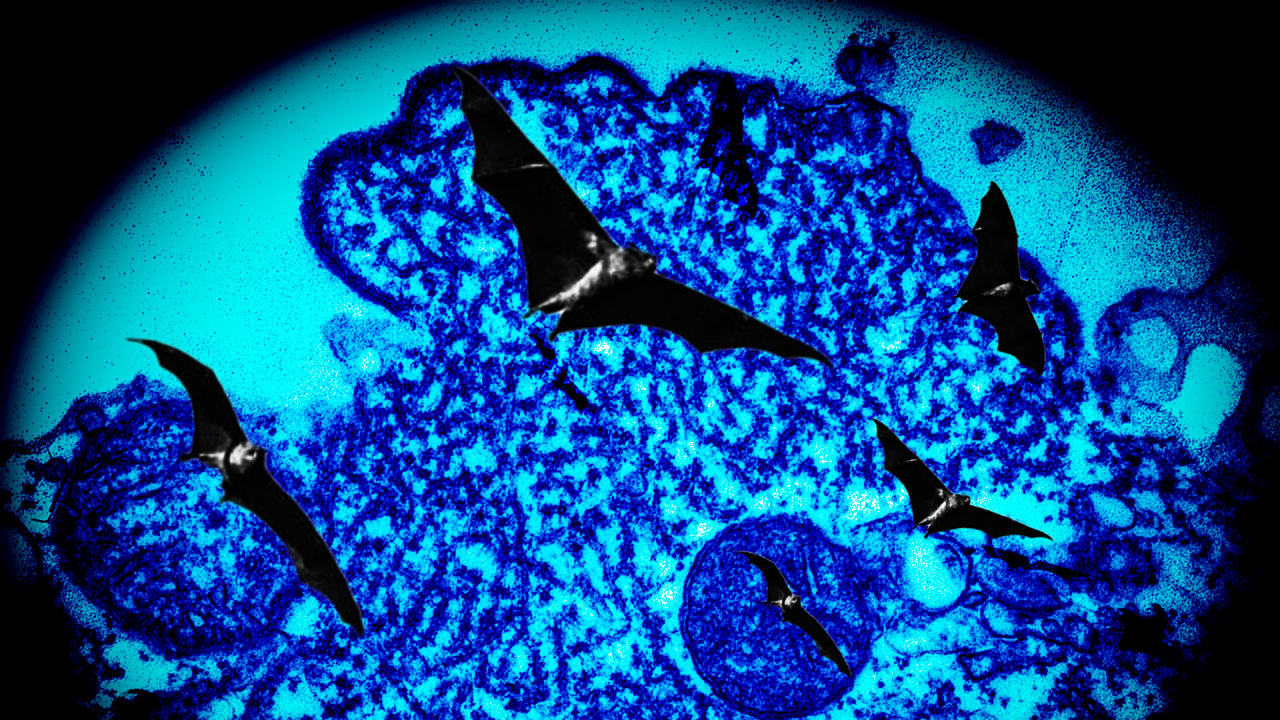
The Nipah virus outbreak in India has raised significant public health concerns, especially given its high mortality rate and transmission potential. This zoonotic virus, which first emerged in Malaysia in 1998, has been linked to infections transmitted from fruit bats to humans and can lead to severe neurological symptoms and even death. The recent increase in cases in India makes understanding the implications and preventive measures crucial.
Current Situation
As of October 2023, Kerala state reported a surge in Nipah virus cases, prompting health officials to implement strict surveillance and containment measures to curb the spread. The state’s health department confirmed several cases within a district, leading to heightened alerts in neighbouring regions. Health authorities are advising communities to stay vigilant, reporting symptoms such as fever, headache, and respiratory issues. The Kerala government has mobilised task forces to monitor suspected cases and increase awareness about the virus’s transmission.
Response Measures
In response to the outbreak, local health departments are conducting extensive contact tracing to identify and isolate individuals who may have been exposed to the virus. Affected areas have been subjected to sanitisation protocols, and local hospitals are equipped to manage severe cases that may arise. Public awareness campaigns have also been launched to educate residents on avoiding contact with fruit bats and maintaining hygiene practices, especially among those working within agricultural and livestock sectors. The union health ministry is closely monitoring the situation and advising state governments on necessary preventive actions.
Conclusion
The Nipah virus outbreak in India highlights the importance of prompt public health responses to control zoonotic diseases. With the potential for Nipah virus to lead to fatal outcomes, the collaboration between state and central authorities is more critical than ever. Looking ahead, continued surveillance and community education will be essential in preventing future outbreaks. As India faces these challenges, it underscores the need for strong public health infrastructure and preparedness to combat infectious diseases that can emerge from human-animal interactions.