Introduction
Attention Deficit Hyperactivity Disorder (ADHD) is a neurodevelopmental disorder that affects millions of people worldwide. Recognised increasingly over the past few decades, ADHD is characterised by persistent patterns of inattention, hyperactivity, and impulsivity. Understanding ADHD is crucial because it impacts not only the affected individuals but also their families, educational environments, and workplaces. With growing awareness, stigma is diminishing, paving the way for better support systems and treatment options.
Current Statistics and Facts
According to the National Health Service (NHS) in the UK, approximately 5% of children are diagnosed with ADHD. Yet, many adults also experience undiagnosed ADHD, leading to challenges in personal and professional settings. It is estimated that around 2.5% of adults in the UK have ADHD. Early diagnosis and intervention are critical in managing symptoms effectively and improving quality of life.
Symptoms of ADHD
The primary symptoms of ADHD can be categorised into two main areas: inattention and hyperactivity/impulsivity. Signs of inattention include difficulty sustaining attention, forgetfulness, and struggling to follow through on tasks. Hyperactivity manifests as excessive movement and talking, while impulsivity is characterised by hasty actions without consideration of the consequences. These behaviours can significantly impact daily functioning if not addressed properly.
Treatment Options
Fortunately, ADHD can be managed effectively through a combination of approaches. Behavioural therapies, educational interventions, and medication can help control symptoms. Stimulant medications such as methylphenidate (Ritalin) are commonly prescribed for ADHD, though non-stimulant options exist. Psychotherapy, especially cognitive behavioural therapy (CBT), has proven beneficial, helping individuals develop coping strategies and challenge negative thought patterns.
Importance of Support
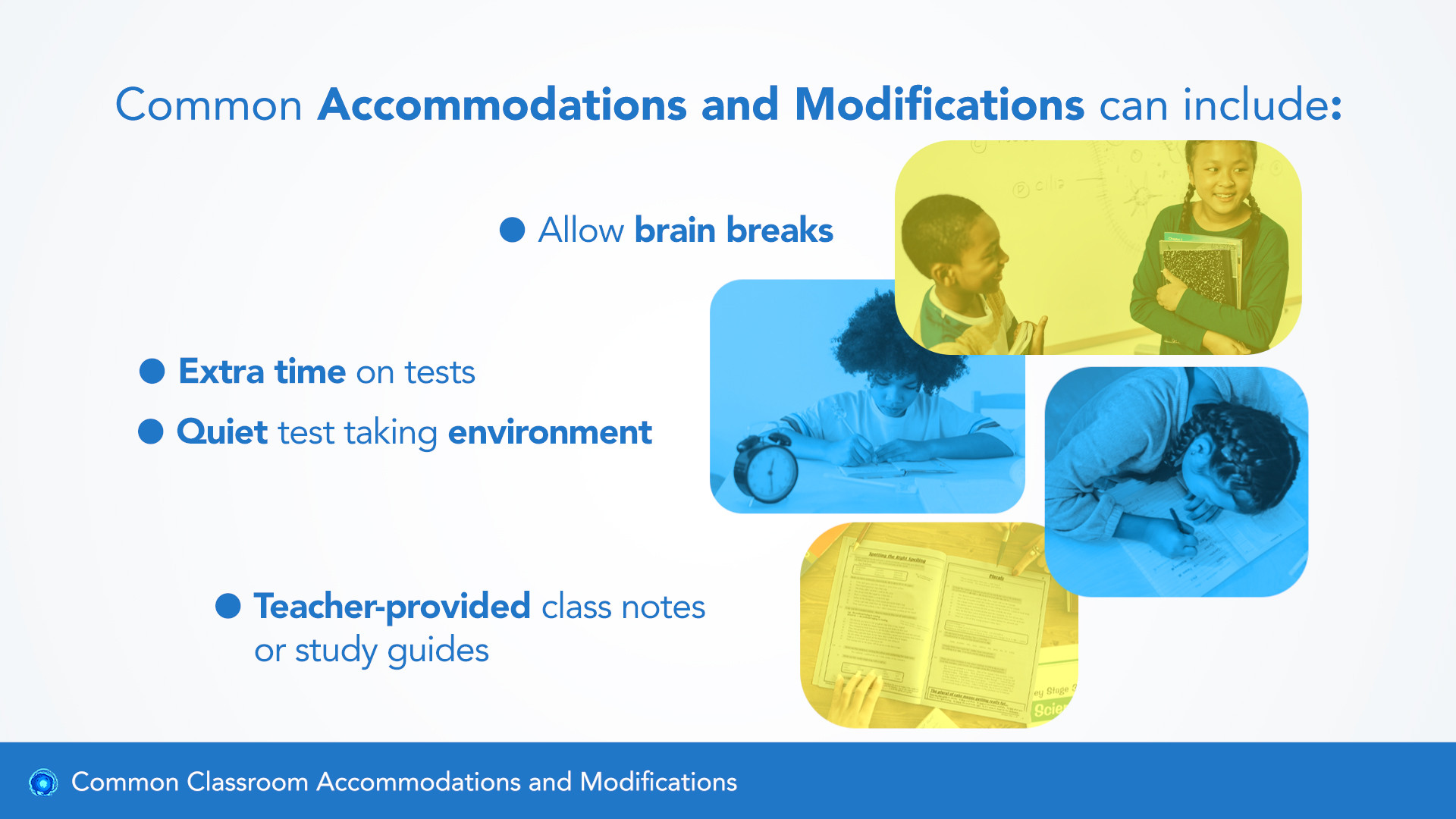
In addition to medical treatments, support from family, teachers, and peers plays a vital role in managing ADHD. Schools are working to implement inclusive practices, allowing children with ADHD to thrive academically and socially. Understanding and accommodating different learning styles can enhance educational outcomes and overall well-being.
Conclusion
ADHD continues to be a significant area of research and discussion among health professionals. Increased awareness and understanding of the disorder lead to better outcomes for individuals diagnosed with ADHD. Early identification, treatment, and support systems are essential in fostering a supportive environment where those with ADHD can achieve their full potential. With ongoing advocacy and educational efforts, it is hoped that the stigma surrounding ADHD will diminish further, allowing for more open discussions and better resources for those affected.