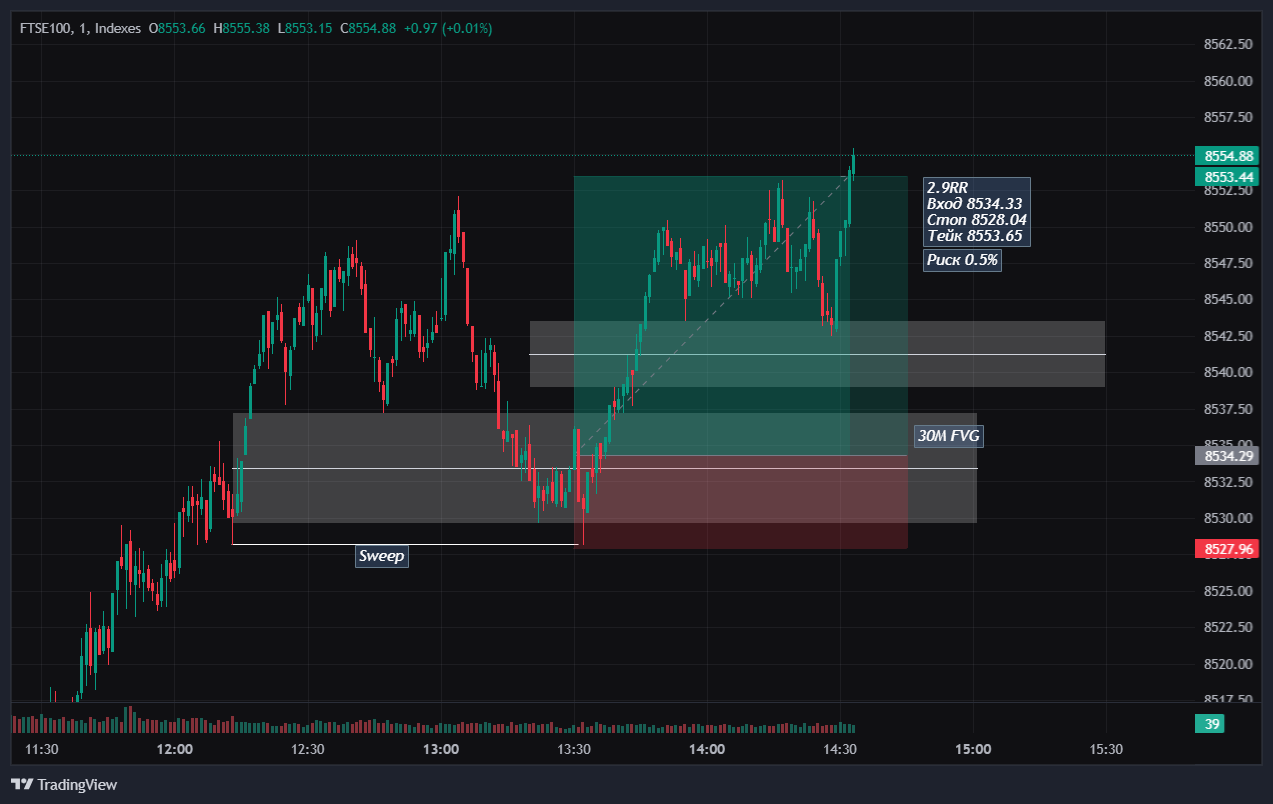
Introduction to the FTSE 100
The FTSE 100, or Financial Times Stock Exchange 100 Index, serves as a barometer for the UK stock market and is considered one of the most significant indicators of the overall health of the UK economy. As investors and analysts closely track this index, understanding its movements and underlying factors is crucial for making informed investment decisions.
Current Trends in the FTSE 100
As of October 2023, the FTSE 100 has shown resilience in the face of economic challenges, including inflation pressures and geopolitical tensions. The index was trading around 7,500 points, reflecting a steady increase of approximately 5% from earlier in the year. This growth can largely be attributed to strong performance in sectors such as technology and pharmaceuticals, which have benefited from ongoing demand and innovation.
Key Events Impacting the FTSE 100
Recent events have also influenced the FTSE 100’s trajectory. The announcement of monetary policy adjustments by the Bank of England to combat inflation has had ripple effects throughout the index. Companies like AstraZeneca and BP have seen their stocks fluctuate as market sentiments shift in response to global economic conditions. Additionally, investor confidence has been bolstered by recent policy changes aimed at fostering smoother trade relationships post-Brexit, allowing for more stability in the market.
Investing in the FTSE 100: What You Need to Know
For investors considering entry into the FTSE 100, it’s essential to note that the index is composed of 100 of the largest companies listed on the London Stock Exchange, providing a diversified portfolio across various sectors. The financial and consumer goods sectors dominate, making up a substantial portion of the index’s market capitalisation. However, potential investors should remain cautious and conduct thorough research, as market conditions can change rapidly due to both domestic and international factors.
Conclusion: The Significance of the FTSE 100
The FTSE 100 plays a pivotal role in shaping investment strategies within the UK and beyond. Its recent performance indicates a cautious optimism from investors while signalling the importance of staying informed about economic dynamics that could affect market fluctuations. Looking forward, analysts predict continued growth for the index, though they caution that evolving economic policies and global developments may introduce volatility. Understanding the FTSE 100 thus remains essential for anyone looking to engage with the UK financial landscape.