Introduction
Train travel in Spain has long been considered one of the country’s safest and most efficient modes of transport. However, recent incidents have raised significant concerns about railway safety and the associated risks for commuters. As Spain continues to modernise its rail infrastructure, understanding the factors leading to these accidents is paramount for enhancing passenger safety.
Recent Events
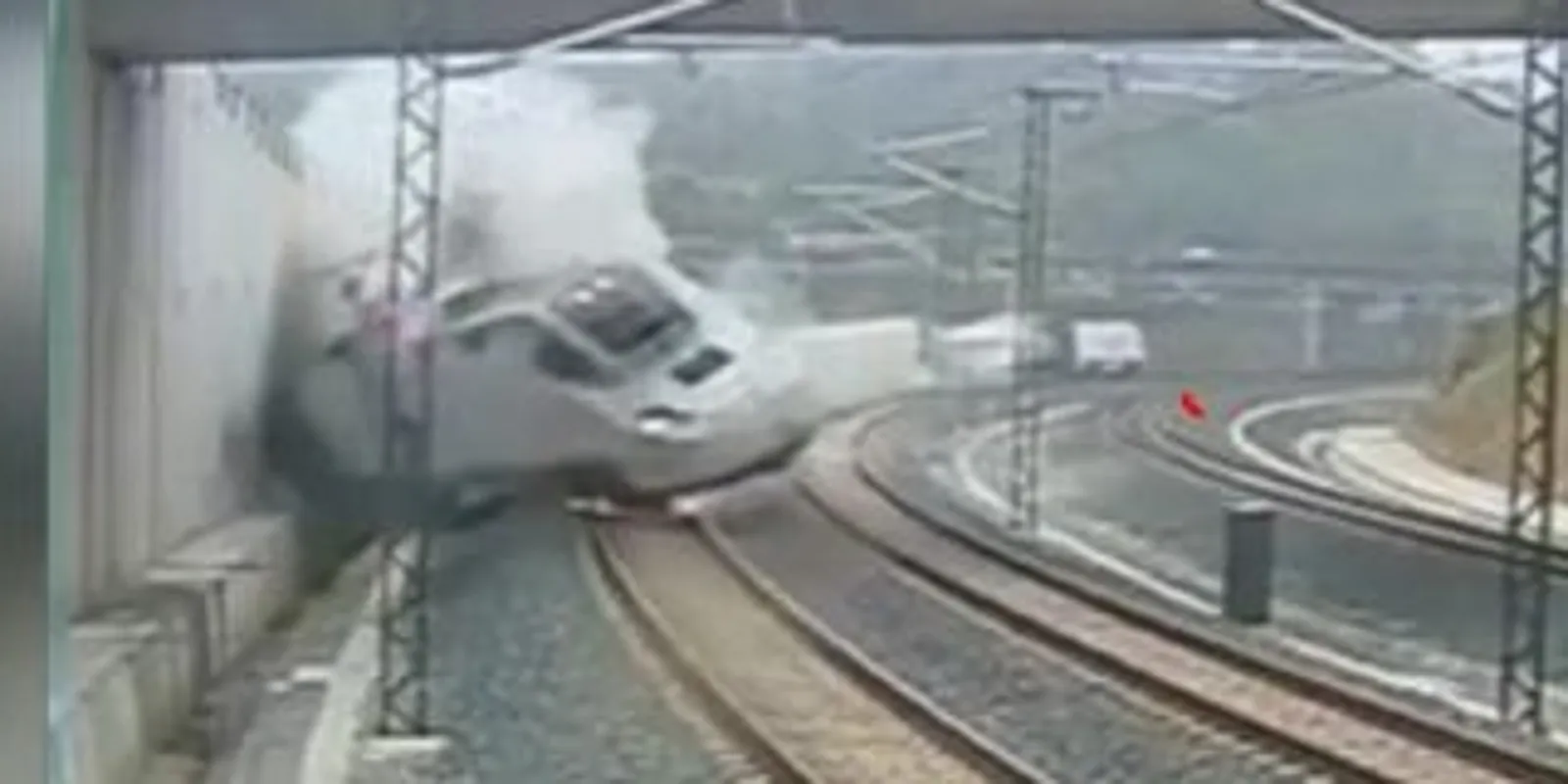
Within the past month, two significant train crashes have occurred, drawing national and international attention. The first incident took place on September 15, 2023, when a regional train collided with a construction vehicle in the outskirts of Barcelona. Tragically, this event resulted in the deaths of two railway workers and left several others injured. Preliminary investigations suggest that inadequate safety protocols may have contributed to the crash.
A subsequent accident occurred on October 2, 2023, near Seville, where a high-speed train derailed due to tracks being compromised during heavy rainfall. Although there were no fatalities, dozens of passengers were hurt, leading to urgent discussions about infrastructure resilience amid changing climate conditions.
Safety Measures and Responses
In response to these incidents, the Spanish government, along with the national railway company Renfe, has initiated a comprehensive review of safety procedures across the network. Transport Minister Raquel Sánchez has emphasised the importance of enhanced training for railway personnel and the urgent need to improve safety measures, particularly for maintenance workers on the track. Moreover, officials are examining the possibility of increasing surveillance and signalling technology to prevent future crashes.
Public Reaction and Implications
The public reaction has been one of concern, with many passengers questioning the safety of rail travel in Spain. Social media campaigns have surfaced, calling for transparency in investigations and a commitment from authorities to prioritise railway safety. Passengers are expressing their fears about using trains, especially in the wake of these accidents, which may have long-term implications for rail tourism and domestic travel.
Conclusion
As Spain delves into the factors behind these train crashes, it is crucial for railway authorities to bolster safety regulations and implement stringent measures to safeguard passengers and workers alike. The recent events have underscored the vulnerabilities of rail transport in the face of operational challenges. The outcomes of ongoing investigations will determine the future of railway safety and may shape policies not just in Spain, but also serve as a cautionary tale for rail networks worldwide.