Introduction to Vietnam
Vietnam, a Southeast Asian nation known for its breathtaking landscapes, vibrant culture, and rich history, has recently taken centre stage in global discussions regarding economic growth and cultural heritage preservation. With an increasing number of international tourists and ongoing reforms aimed at boosting the economy, understanding Vietnam’s cultural significance is more important than ever.
Recent Developments and Growth
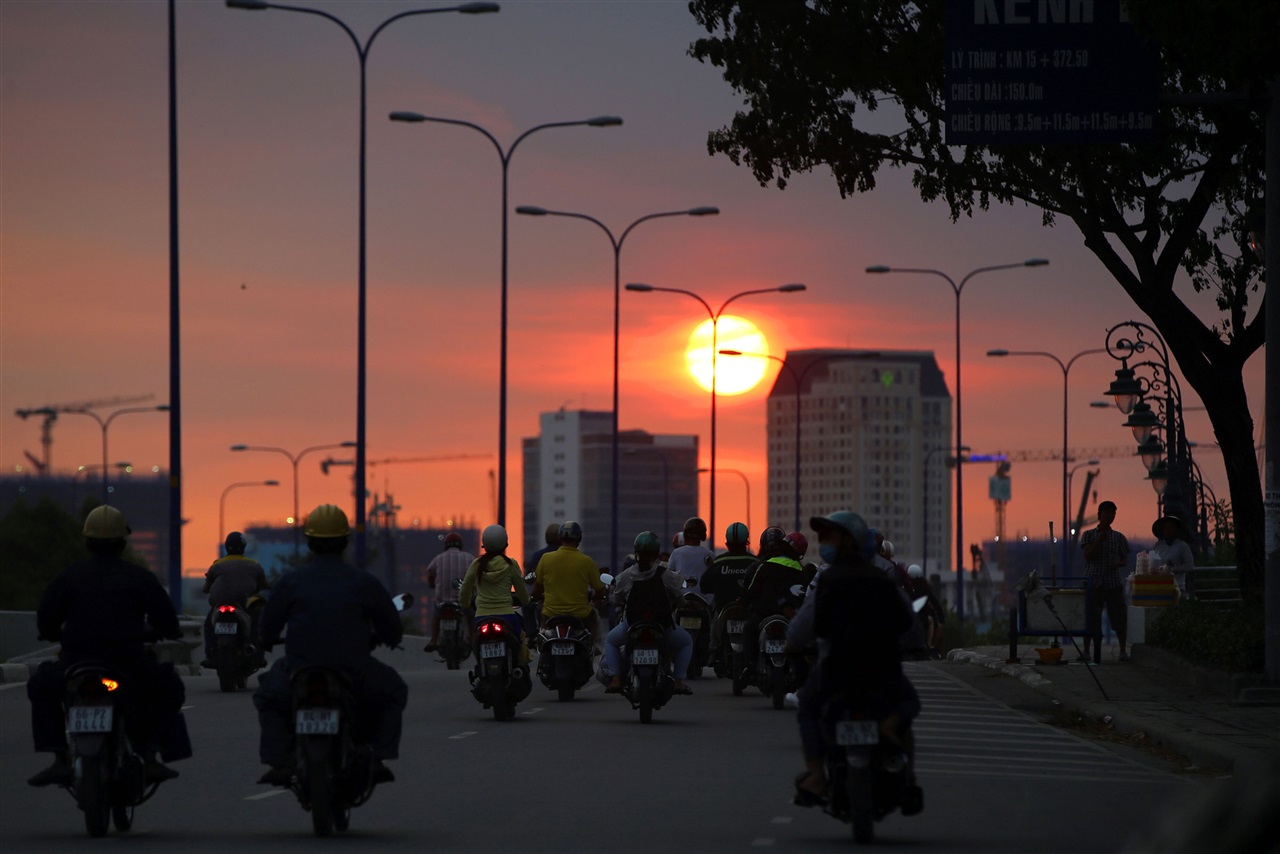
In 2023, Vietnam has seen a strong recovery in its tourism sector, partly due to the easing of pandemic restrictions. The Vietnam National Administration of Tourism reported that the country welcomed approximately 15 million foreign tourists in the first three quarters of the year, a significant leap from the previous year. Major cities such as Hanoi and Ho Chi Minh City, known for their rich history and vibrant street life, are now bustling with international visitors, eager to experience Vietnam’s unique blend of tradition and modernity.
Economic Transformations
Along with the recovery of tourism, Vietnam’s economy has been growing steadily. According to the World Bank, Vietnam’s GDP is expected to grow by an impressive 6.5% in 2023. The government’s commitment to economic reforms, coupled with its strategic location in the Asia-Pacific region, has transformed it into a hotspot for foreign investments, especially in technology and manufacturing sectors. These developments not only bolster Vietnam’s economy but also create opportunities for cross-cultural exchanges.
Cultural Significance
As Vietnam undergoes rapid changes, the preservation of its cultural identity remains crucial. Traditional festivals, such as Tet (Lunar New Year), and local culinary delights, like Pho and Banh Mi, showcase the breadth of its heritage. Efforts are being made to promote and preserve these cultural practices through education and community initiatives. The government has also expressed a strong intent to protect UNESCO World Heritage Sites such as Ha Long Bay and the Ancient Town of Hoi An, which draw attention to Vietnam’s ancient history and natural beauty.
Conclusion
Vietnam stands at a fascinating crossroads of growth and tradition. Its rapid economic developments alongside a commitment to cultural preservation create a unique narrative that resonates on a global scale. As the country embraces the future, it remains essential for international audiences to appreciate and engage with the intricacies of Vietnam’s heritage. The outlook for Vietnam is promising, with forecasts suggesting continued growth in tourism and economy, making it a pivotal player in Southeast Asia.