Introduction
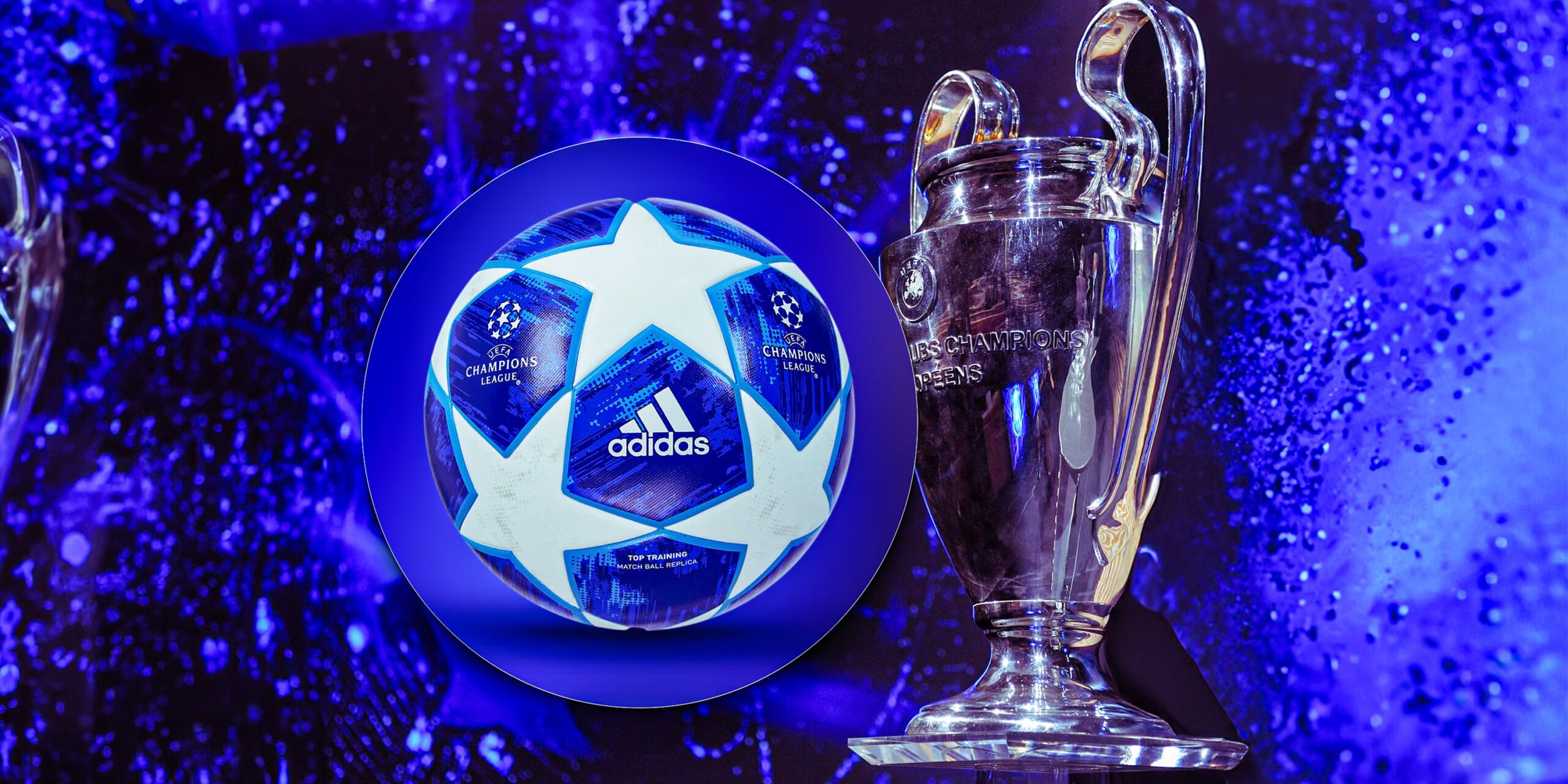
The UEFA Champions League is one of the most prestigious tournaments in football, drawing teams from across Europe to compete for the coveted title. As the sport evolves, so does the competition format. In recent years, significant changes have been proposed to the Champions League format, aimed at enhancing the viewing experience for fans and increasing revenue for clubs.
Recent Changes to the Format
In 2021, UEFA announced a complete overhaul of the Champions League format, set to be implemented starting from the 2024-2025 season. This new format will replace the current group stage system with a single league format. Instead of the traditional groups of four, 36 teams will enter a new league stage, where each club plays 10 matches against different opponents. The top eight teams from this league will automatically qualify for the knockout stages, while teams finishing from ninth to 24th will enter a playoff to secure their place in the round of 16.
This revolutionary format aims to create more competitive matches and reduce the number of dead rubber games, where the outcome has little to no impact on the standings. Additionally, it is expected to increase television audience and digital engagement, which is crucial for the financial viability of clubs.
Impacts of the New Format
The changes to the Champions League format are poised to have several significant impacts. Firstly, there will be an increase in match revenue for clubs and UEFA itself, as more fixtures mean more opportunities for sponsorship and broadcasting deals. The new structure is also expected to enhance the excitement of the tournament, with fans looking forward to a broader array of fixtures, including more high-stakes matches against diverse opponents.
However, there are concerns regarding the fairness of the new format as it may further entrench the dominance of wealthier clubs. Critics argue that the competition could become less accessible for lower-ranked teams, making it harder for them to qualify. This could lead to disparities that affect the integrity of the sport.
Conclusion
The restructured Champions League format represents a bold step towards modernising one of football’s most important competitions. While it aims to generate excitement and enhance financial stability, it brings with it complex challenges that UEFA and clubs will need to navigate. The evolution of the Champions League format will be a significant topic of discussion leading up to the implementation date, affecting not only club strategies but also fan engagement across Europe. As stakeholders await the onset of this transformative season, the balance between competition and commercial interests remains a critical focus.