Introduction
Prototaxites is a controversial prehistoric organism that dates back to the late Silurian to Devonian period, approximately 420 to 350 million years ago. Recent discoveries of Prototaxites fossils in Scotland have shed new light on these enigmatic giants, which have puzzled scientists for years. The relevance of these findings lies in their potential to improve our understanding of ancient ecosystems and the evolution of terrestrial life.
Discoveries in Scotland
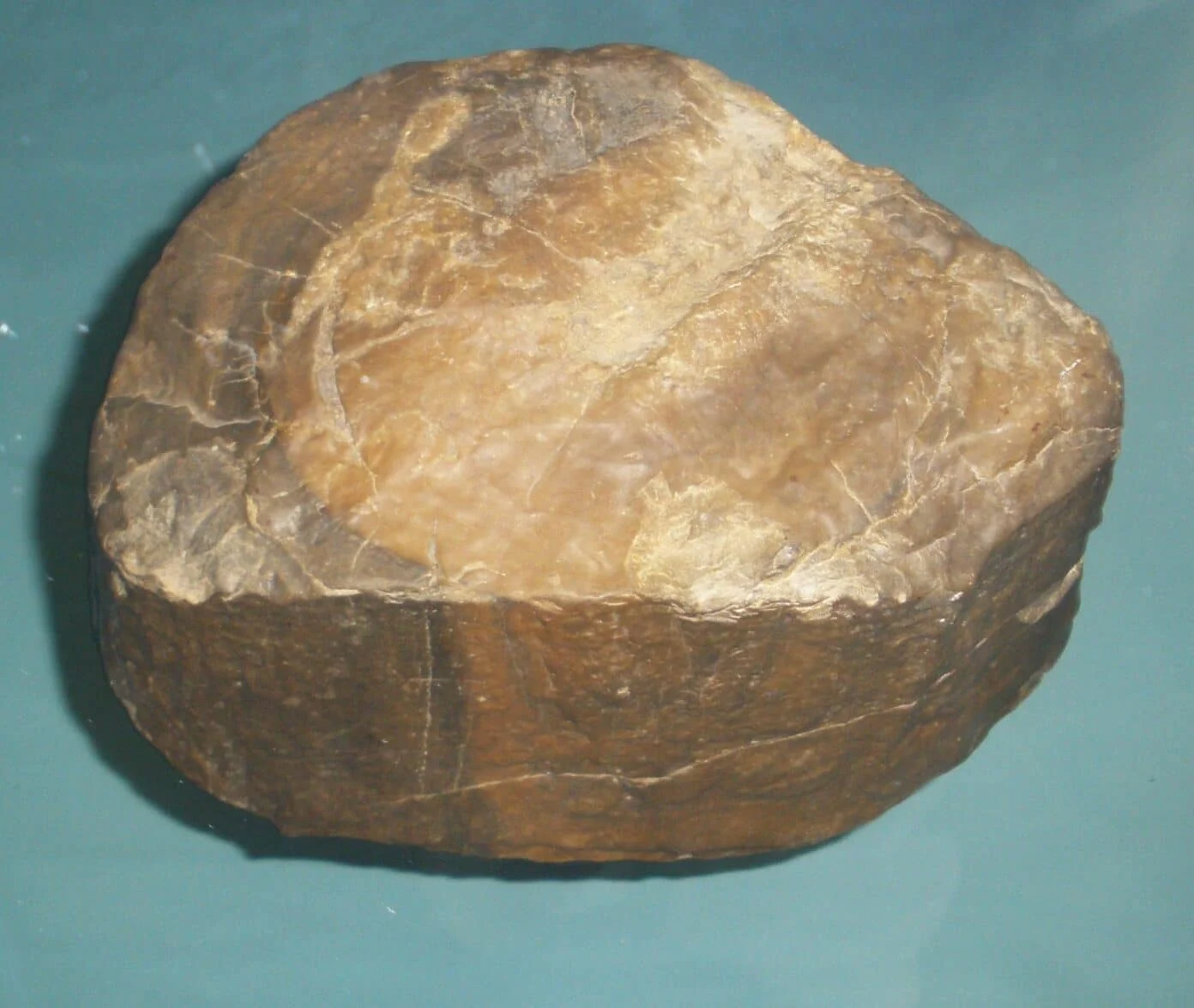
In recent months, paleontologists have unearthed a series of Prototaxites fossils in various locations across Scotland, most notably in areas rich in Silurian and Devonian sediment. The characteristic structure of these fossils, resembling large tree trunks or cylindrical forms, prompts discussions about their ecological role during their time. Whereas earlier theories posited that Prototaxites may have been a type of fungus, current research is exploring the possibility that they could also represent either a unique plant or a complex lichen-like organism.
These discoveries have opened new avenues for research. The specific environmental conditions in which these Prototaxites existed are being reconstructed, giving insights into the vegetation that dominated the Scottish landscape millions of years ago. The fossils are now being studied in palaeobotanical laboratories to ascertain their age and give clear data on the climate and biodiversity of the time.
Implications for Understanding Ancient Ecosystems
The importance of the Prototaxites fossils cannot be understated, as they offer critical insight into primary producers on Earth before the dominance of modern plants. Understanding the characteristics and behaviours of Prototaxites will enrich existing knowledge regarding the development of earth’s atmospheric conditions and biogeographical changes through time.
Moreover, these fossils provide a valuable opportunity to examine the transition of flora from simple organisms to more complex land plants, marking a vital evolutionary step in terrestrial ecosystems.
Conclusion
The ongoing studies of Prototaxites fossils in Scotland are pivotal not only to paleontology but also to understanding climate evolution and ecosystem dynamics of the distant past. As researchers continue to analyse these remarkable fossils, we can expect fresh perspectives on the complexity of life on Earth during a time when land had just begun to flourish with vegetation. Ultimately, these findings will play a critical role in informing future studies regarding the history of life and the environment on our planet.