Introduction
The Chagos Archipelago, located in the Indian Ocean, has been at the centre of a protracted sovereignty dispute between Mauritius and the United Kingdom. This topic has garnered international attention due to its implications on human rights, colonial legacy, and strategic military interests. As global focus shifts towards decolonisation and the rights of displaced populations, understanding the significance of the Chagos dispute is crucial.
The Background of the Dispute
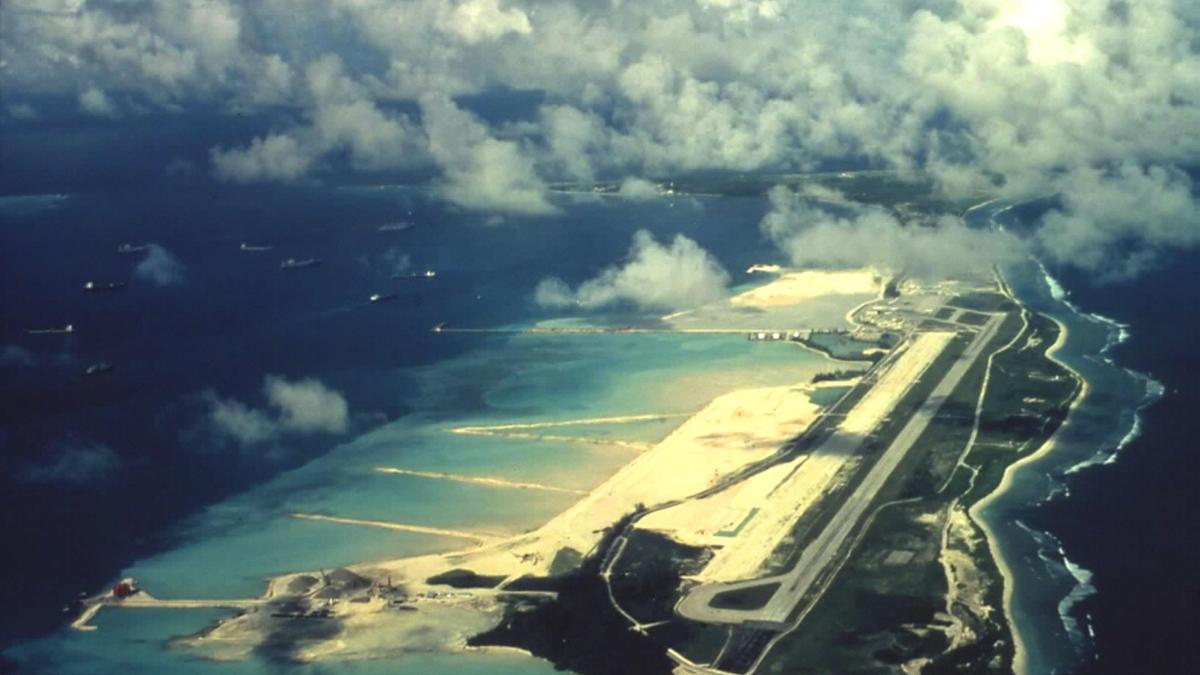
The Chagos Archipelago was part of Mauritius until 1965, when it was detached by the UK to establish a military base on Diego Garcia, the largest island. The British government forcibly removed the Chagossians from their homeland, a decision that has resulted in decades of legal battles and calls for repatriation. In 2019, the International Court of Justice (ICJ) ruled that the UK should end its administration over the islands, stating that the continued colonial rule over the archipelago contravened international law.
Recent Developments
In recent months, the Indian Ocean region has seen increased geopolitical tension, primarily due to concerns over military presence and strategic positioning. The US-UK alliance in Diego Garcia has drawn scrutiny as nations like China expand their influence in the Indian Ocean. The UK has consistently resisted calls to return sovereignty to Mauritius, citing defence and security interests. Additionally, in July 2023, a new resolution was proposed by the United Nations, appealing for negotiations over the archipelago’s future, bringing renewed hope for the Chagossian community.
The Human Rights Perspective
The plight of the Chagossians remains a critical aspect of the narrative. Displaced from their homes, these islanders have faced numerous struggles, living in diaspora while yearning for their land. The ongoing legal battles and UN recommendations highlight the need for justice and recognition of their rights. Advocacy groups have rallied support to support the Chagossians’ calls for repatriation and reparations, focusing on the human cost of colonial policies.
Conclusion
As the 21st century progresses, the discussion surrounding the Chagos Archipelago illustrates broader themes of decolonisation and human rights. The ongoing dispute between Mauritius and the UK is not just about territory, but also justice for those affected. The future of Chagos remains uncertain, but it stands as a testament to the lingering effects of colonialism and the pressing need for equitable resolutions in international relations. As calls for action grow louder, the global community must pay attention to the rights of the Chagossians and the implications of the dispute on modern diplomacy.