Introduction
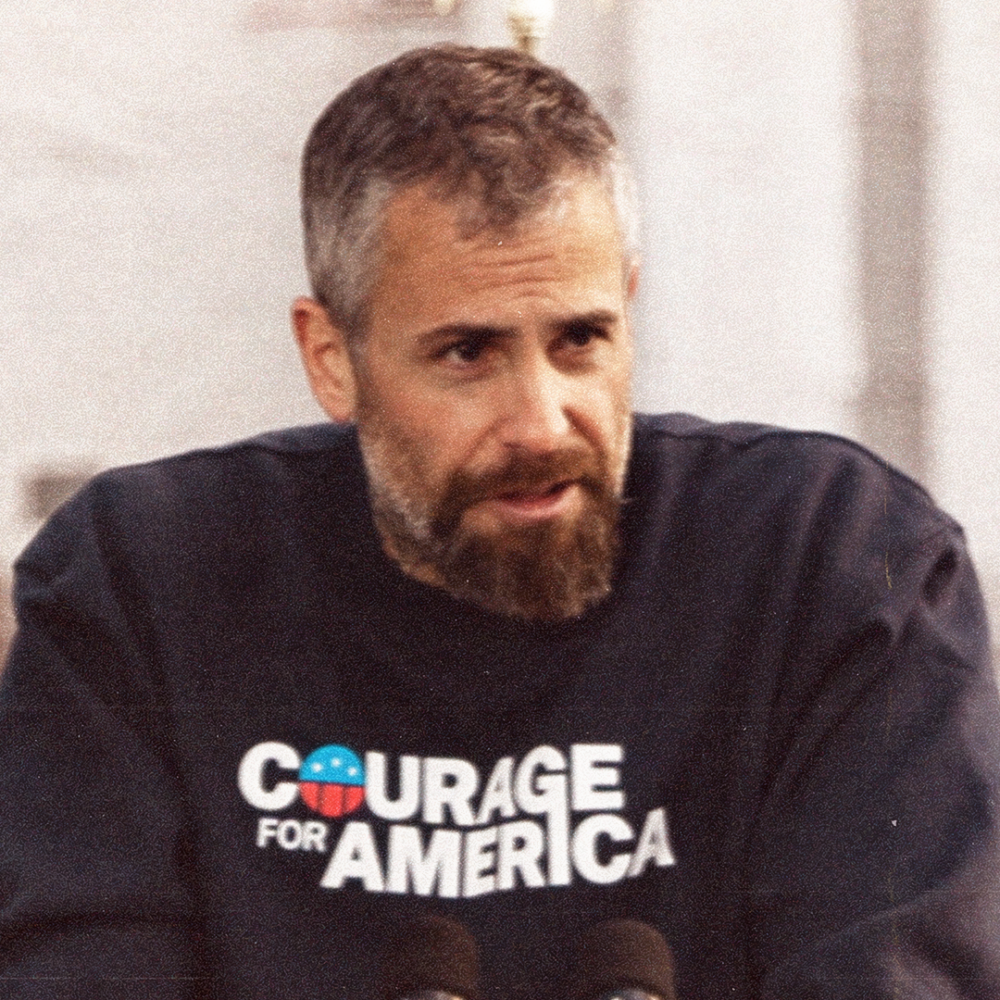
Michael Fanone, a former Metropolitan Police Department officer, has risen to prominence following his harrowing experience during the January 6 Capitol riots. His account serves not only as a personal testimony of trauma but also as a crucial narrative in the ongoing dialogues surrounding law enforcement, public safety, and mental health. As discussions about police reform intensify across the United States, Fanone’s voice underscores the significance of addressing both the wellbeing of police officers and the communities they serve.
Fanone’s Experience at the Capitol
On January 6, 2021, Fanone was on duty to protect the Capitol when rioters stormed the building in an attempt to overturn the 2020 presidential election results. He encountered violent confrontations, resulting in severe physical and mental trauma, including a heart attack. His personal ordeal has highlighted the extreme pressures faced by law enforcement during politically charged environments.
Since that day, Fanone has been vocal about his struggles, revealing that he suffers from post-traumatic stress disorder (PTSD) as a result of the attack. This vulnerability has resonated with many, especially those within law enforcement, who may hesitate to discuss similar mental health challenges due to stigma.
Advocacy for Police Reform
In the months following the riots, Fanone transitioned from officer to advocate. He has advocated for reform within police departments, emphasising the need for greater mental health resources for officers. “Too many police officers have suffered in silence, and it’s time to speak up and seek help for ourselves and our communities,” he stated in a recent interview.
Additionally, Fanone has addressed the necessity of accountability within law enforcement agencies. His perspective as a frontline officer provides essential insight into the complex dynamics of policing in America. He argues that meaningful reform is imperative to rebuild trust between officers and the communities they serve.
Public Engagement and Media Presence
Fanone has also made several public appearances and has engaged with the media, sharing his story on platforms such as CNN and with human rights organisations. His approach combines emotional appeal with factual assessments of police operations, moving beyond mere rhetoric to foster genuine discussion regarding potential reforms.
Conclusion
Michael Fanone’s experiences and subsequent activism have catalysed conversations about mental health and police reform, marking him as a significant figure in contemporary law enforcement discourse. As he continues to push for meaningful change, his journey underscores the importance of addressing mental health in high-stress occupations, which can ultimately benefit both officers and the greater public. The trajectory of his advocacy signal a hopeful prospect for future reformations within the policing framework and promoting a supportive environment for those who serve and protect.