Introduction
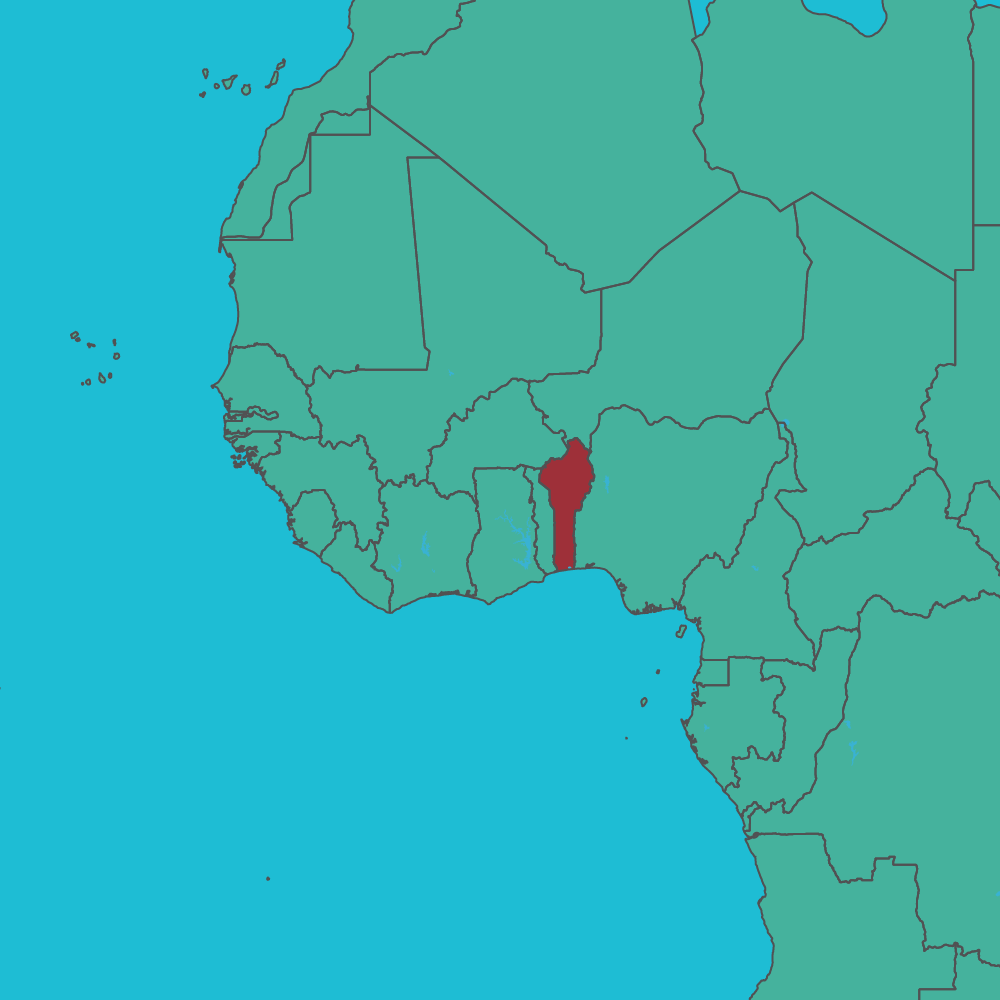
Benin, a small West African country located on the coast of the Gulf of Guinea, is rich in history and cultural diversity. This nation is known for its heritage, which includes the influential Kingdom of Dahomey, vibrant traditions, and a population which speaks a variety of languages. Understanding Benin’s culture and history is vital not only for appreciating its significance in the region but also for recognising the broader impacts of its historical events on contemporary society.
Historical Context
Benin was a centre of trade and political power during the 17th to 19th centuries under the Kingdom of Dahomey. The kingdom is particularly notable for its army of female warriors, known as the Dahomey Amazons, and for its complex political structure. The capital of Porto-Novo has played a significant role as a trading port, reflecting the interactions between African cultures and European colonisers. The legacy of the Atlantic slave trade remains a poignant aspect of Benin’s history.
Culture and Society
The culture of Benin is shown in its festivals, music, and art. The annual Voodoo Festival, celebrated on January 10, attracts locals and tourists alike, showcasing traditional voodoo rituals and cultural performances. The artistry in Benin is reflected in its sculptures and wood carvings, which often depict the spirits of ancestors and mythological themes. The country is home to a wealth of languages, with Fon and Yoruba being the most widely spoken, demonstrating the linguistic richness of the region.
Recent Developments
In recent years, Benin has made significant strides in preserving its cultural heritage while also modernising its economy. The government has invested in infrastructure and tourism, aiming to attract more visitors to its historical sites such as the Royal Palace of Abomey and Ouidah, the city known for its slave route history. Additionally, Benin’s efforts to embrace digital technology are evident in its initiatives to promote local artisans and cultures online.
Conclusion
As Benin continues to navigate its identity in the modern world, it serves as a vital example of resilience and cultural richness in West Africa. The intertwining of its past with contemporary global influences creates a dynamic narrative that is essential for understanding not only Benin itself but also the cultural tapestry of the region. With ongoing developments in tourism and cultural preservation, Benin’s future looks poised for growth while honouring its significant historical legacy.