Introduction
The role of police is pivotal in maintaining public order and ensuring community safety across the United Kingdom. With ongoing discussions about police reform and public trust, understanding their function and the challenges they face has never been more relevant. As communities evolve, so do the expectations and responsibilities of law enforcement agencies tasked with protecting them.
Police Responsibilities and Community Engagement
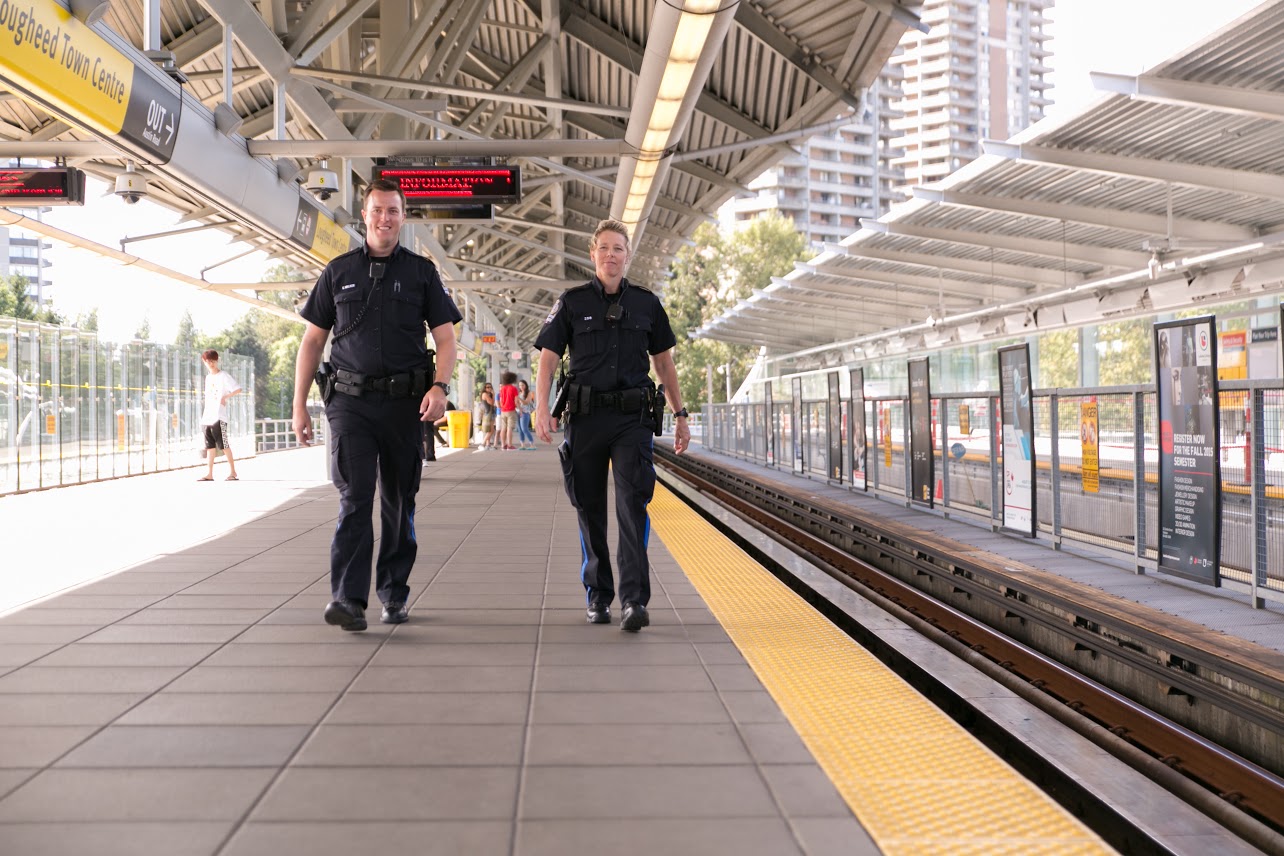
In the UK, police forces operate under a framework that emphasises community engagement. Officers are not just enforcers of the law but also serve as community liaisons, fostering relationships with local citizens to ensure mutual understanding and support. The UK police are also involved in preventive measures, aiming to deter crime through visibility and engagement in neighbourhoods.
Recent initiatives, such as ‘Listen First’, have been introduced to help police forces understand the concerns of community members better. This approach has proven beneficial in various localities, resulting in increased trust and cooperation between the public and police officers.
Challenges Facing Law Enforcement
However, the road has not been without its bumps. Recent events, including protests over policing methods and community interactions, have highlighted issues surrounding police conduct and accountability. High-profile cases have led to calls for reform, focusing on transparency, diversity, and better training. During 2021 and 2022, several reviews and re-evaluations of police practices were undertaken, with many police departments committing to changes in their approaches to reduce instances of misconduct.
The Future of Policing
The future of policing in the UK holds many possibilities as technology increasingly plays a role in law enforcement. The use of body-worn cameras and data analytics is set to enhance transparency and effectiveness within police operations. Artificial intelligence tools are also being integrated to help identify patterns in crime, formulate more strategic responses, and improve resource allocation.
Conclusion
As society continues to evolve, the role of the police is both critical and subject to scrutiny. Balancing effective law enforcement with community trust and accountability will remain paramount. Moving forward, police forces must adapt to fulfill their duties while upholding the rights and needs of the communities they serve. Any advancements or reforms will shape the future of policing, which is essential not just for maintaining safety but also for fostering a sense of belonging and trust within communities.