Introduction
The World Health Organization (WHO) has been at the forefront of global health governance since its establishment in 1948. As the directing authority on international health within the United Nations system, WHO plays a crucial role in combating health challenges worldwide. The COVID-19 pandemic highlighted the significance of WHO’s work, as it coordinated responses, disseminated critical information, and supported countries in their health strategies. Understanding WHO’s objectives and activities is essential for appreciating its influence on global health security.
Recent Initiatives and Challenges
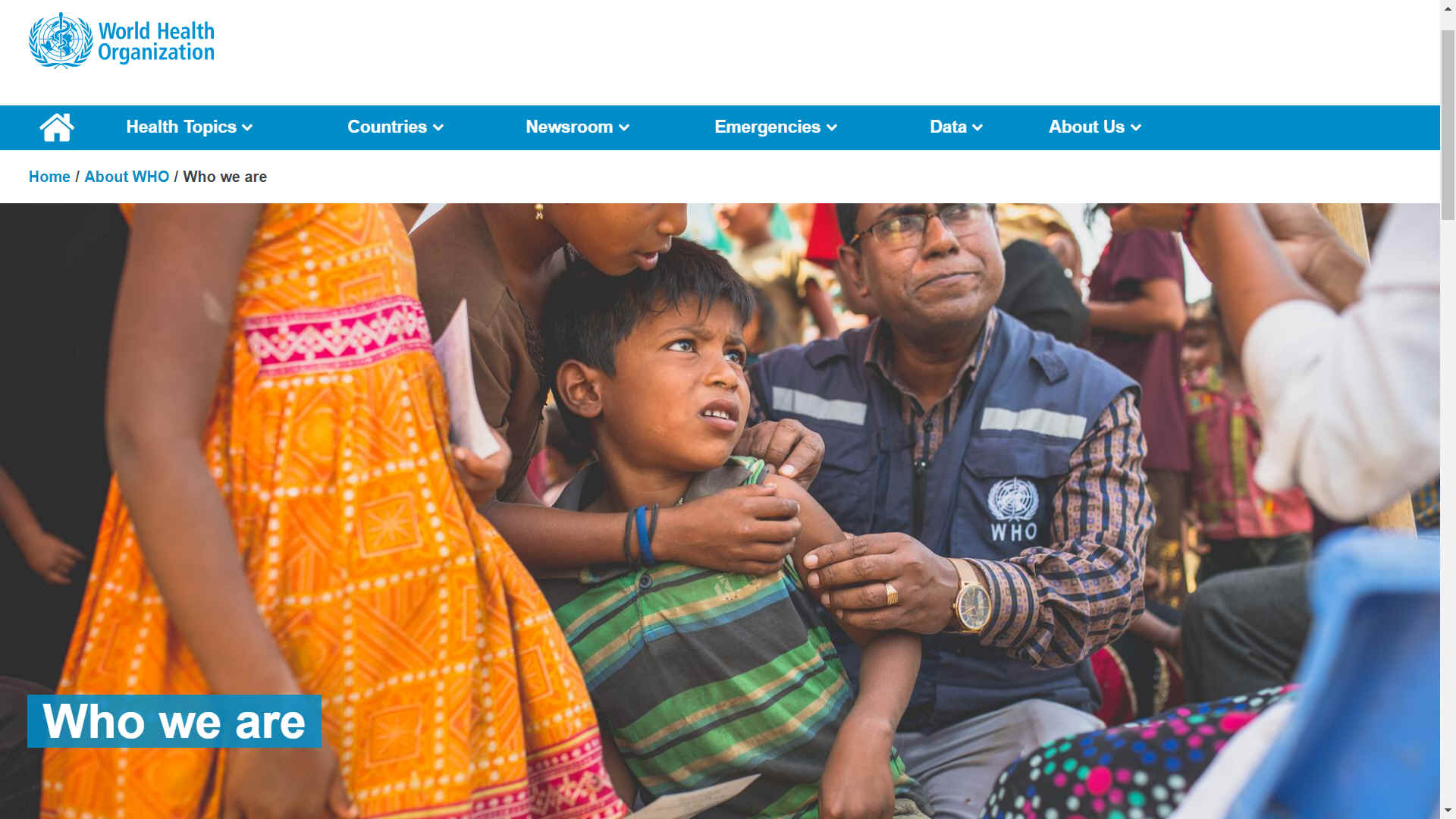
In 2023, WHO has focused on several key health issues, including the ongoing fight against the COVID-19 pandemic, the rise of antimicrobial resistance, and the health impacts of climate change. This year, WHO has launched campaigns to promote vaccination, with particular emphasis on increasing access to vaccines in low-income countries. According to the latest reports, over 75% of the world’s population has received at least one dose of a COVID-19 vaccine, but the disparities between high and low-income nations remain stark.
Moreover, WHO is actively addressing the growing concern of antimicrobial resistance, which could lead to a future where common infections become untreatable. Its Global Antimicrobial Resistance and Use Surveillance System (GLASS) allows for monitoring of antibiotic resistance patterns, guiding policy and practice.
Collaboration and Global Health Security
Throughout 2023, collaborations have intensified between WHO and various stakeholders, including governments, health organisations, and non-profits. The WHO’s Health Emergency Programme has been instrumental in preparing and responding to health emergencies, with an emphasis on building resilient health systems worldwide. In recent months, the WHO has facilitated training for healthcare workers, ensuring they are equipped to handle future health crises.
Conclusion
The importance of the World Health Organization in shaping global health cannot be overstated. As it continues to tackle pressing health challenges and advocate for equitable health access, the support of member countries and stakeholders remains essential. With the increasing threat of pandemics and health security issues, WHO’s role will likely expand, making it imperative for citizens to stay informed about its initiatives and contributions to global health. As we move forward, the WHO’s efforts will play a significant role in improving health outcomes globally, making collaborative action essential for a healthier future.