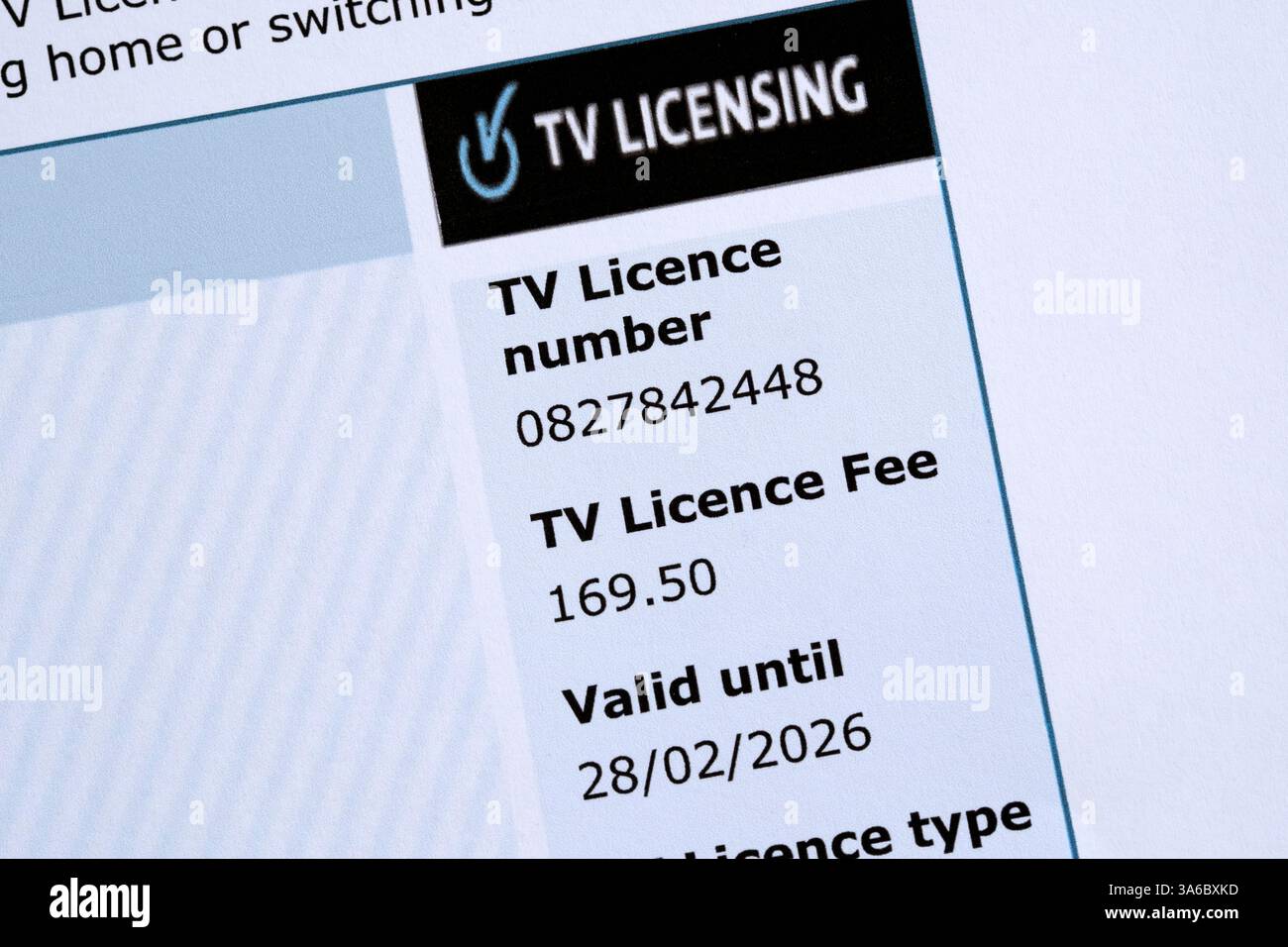
Introduction to TV Licence
The TV licence is a legal requirement in the United Kingdom for anyone watching live television or using BBC iPlayer. It ensures that the British Broadcasting Corporation (BBC) can continue to provide quality programming without direct commercial pressure. With ongoing debates about public broadcasting funding, understanding the implications and responsibilities associated with the TV licence has become ever more crucial for UK viewers.
Current Events and Regulatory Changes
Recently, the TV licence fee has come under scrutiny as part of broader discussions about the future of public service broadcasting. As of 2023, the annual fee remains at £159, but there are calls for reform as people shift towards on-demand content. The government is reviewing the licence fee structure and considering alternative funding models that may lessen the burden on consumers while ensuring quality programming remains available.
In addition, the BBC has initiated various public consultations to gauge public sentiment regarding the licence fee and potential changes, including options such as subscription models or advertising. The discussions come in the wake of criticisms about how the licence fee funds the BBC and accusations that it caters to a narrow segment of the viewing population.
The Impact on Viewers
For viewers, the consequences of these discussions could be significant. A move away from the traditional licence fee could alter the landscape of how media is consumed in the UK. Consumers increasingly prefer pay-per-view models or subscription services. Consequently, if the BBC were to change its funding to align with these preferences, it could lead to greater competition in the broadcasting market.
Moreover, failure to pay for a TV licence can result in legal repercussions, including substantial fines or even criminal charges. This consequence continues to raise questions about enforcement and the fairness of the existing system, particularly given the increases in streaming services that do not require a licence.
Conclusion
As the debate over the future of the TV licence fee unfolds, it is clear that the outcome will be significant for both consumers and the broadcasting landscape in the UK. The exploration of alternative funding methods could provide the BBC with necessary resources while potentially easing the financial pressure on viewers. As discussions continue, keeping informed will help viewers understand their obligations and the potential changes that lie ahead. For now, the importance of the TV licence remains a vital part of funding for public broadcasting, even as its future hangs in the balance.