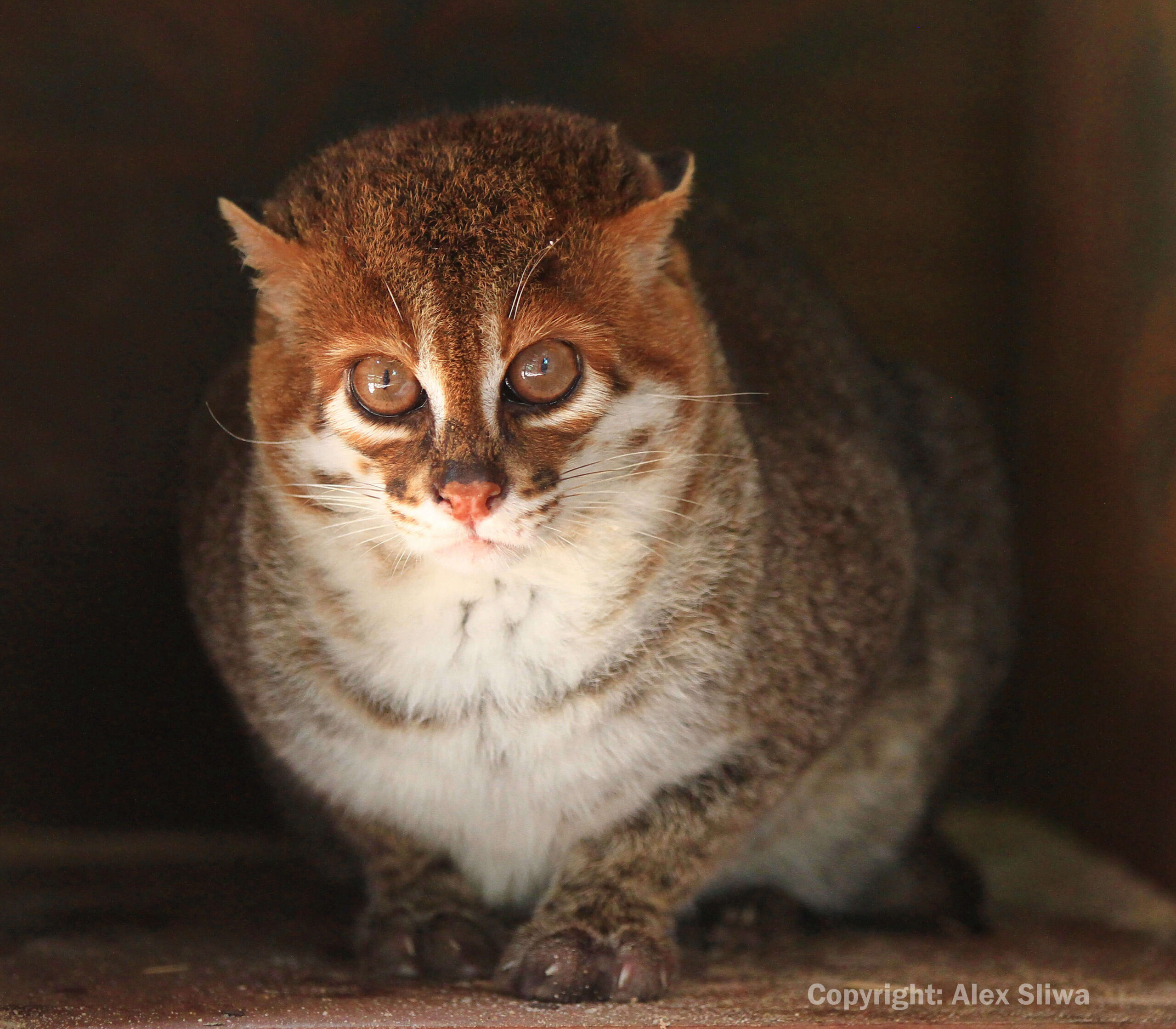
Introduction to the Flat Headed Cat
The flat headed cat (Prionailurus planiceps) is a small wild cat native to the wetlands of Southeast Asia, specifically Malaysia, Thailand, and Indonesia. Recognised for its unique flat skull shape and distinctively elongated body, the flat headed cat is a critical part of the region’s ecosystem. However, this species is currently classified as endangered, facing numerous threats that aim to eradicate its population. Understanding the significance of conservation efforts for the flat headed cat is vital not only for preserving biodiversity but also for maintaining ecological balance in its natural habitat.
Current Threats to the Flat Headed Cat
One of the primary concerns for the flat headed cat is habitat destruction due to deforestation and land conversion for agriculture. Wetlands, the cats’ preferred habitat, are rapidly disappearing, driven by urbanisation and agricultural expansion. According to the International Union for Conservation of Nature (IUCN), the population of flat headed cats has dropped significantly, leading to a troubling situation that demands immediate action.
Additionally, poaching continues to be a threat as these cats are often hunted for their pelts and sold in illegal wildlife trade. Their elusive nature makes them difficult to monitor, exacerbating the problem. Research studies indicate that the flat headed cat’s population may be declining by 50% over the next few years if no intervention occurs.
Conservation Efforts Underway
In response to the alarming decline of the flat headed cat population, various conservation organisations and local authorities have initiated efforts to protect the species. The Malaysian Wildlife Department, in collaboration with global wildlife protection agencies, has launched campaigns aimed at habitat restoration and the establishment of protected areas. These measures are crucial for ensuring the survival of the flat headed cat.
Community awareness programs are also being implemented to educate locals on the importance of preserving the flat headed cat’s habitat. By engaging communities in conservation efforts, stakeholders are fostering a sense of pride in local wildlife while encouraging sustainable practices to reduce habitat destruction.
Conclusion
The future of the flat headed cat hangs in the balance as its population faces severe threats from human activity. Through dedicated conservation efforts driven by both local and international collaboration, there is hope for the survival of this remarkable species. Continued engagement and awareness will be vital for safeguarding the flat headed cat and ensuring that future generations can appreciate its ecological significance. Readers are encouraged to support wildlife conservation initiatives—real change begins with informed and involved citizens.