Introduction
Saipan, the largest island in the Northern Mariana Islands, stands as a significant cultural and historical hub in the Pacific. Known for its stunning landscapes and vibrant culture, it attracts both tourists and researchers alike. In recent years, Saipan has gained attention as officials focus on promoting sustainable tourism and preserving its rich heritage, making it an increasingly relevant topic for anyone interested in travel, culture, and environmental conservation.
The Rich History of Saipan
Saipan’s history dates back to the ancient Chamorro and Carolinian settlers, who cultivated a rich culture deeply connected to their land and sea. The island saw significant changes with European exploration in the 16th century, followed by Spanish and then Japanese colonisation, each of which left a unique mark on Saipan’s cultural identity. During World War II, Saipan was the site of intense military conflict, which has profoundly influenced the island’s modern historical narrative. Today, historical sites, such as the American Memorial Park and the Last Command Post, serve as poignant reminders of these past events.
Natural Attractions
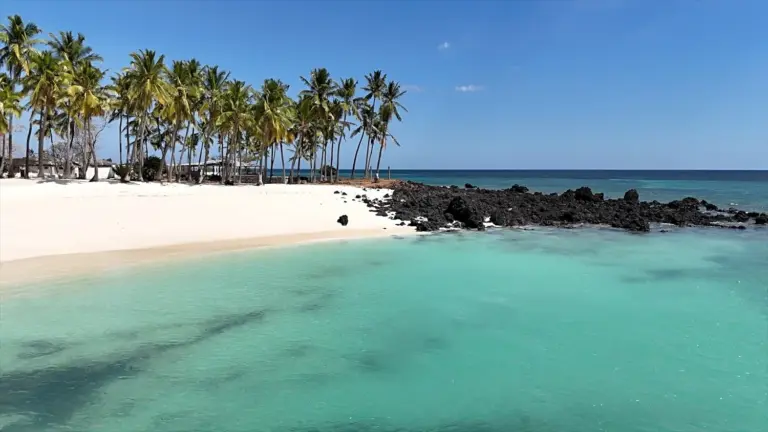
Aside from its historical significance, Saipan boasts breathtaking natural beauty. The island is home to pristine beaches, lush mountains, and an array of marine life. Popular natural attractions include the stunning Managaha Island, a smaller island off the coast that offers magnificent views and diverse aquatic activities, and the famous Grotto, a submerged limestone cave that attracts divers from around the world. Recent initiatives have focused on conservation efforts to protect these natural resources, ensuring sustainable tourism aligns with protecting Saipan’s environment.
Tourism and Economic Development
In the wake of the global pandemic, Saipan has made significant strides to revive its tourism industry. As international travel resumes, local authorities are implementing strategic marketing plans to attract visitors, revamping accommodations, and promoting local businesses. With direct flights from major cities and various cultural and adventure activities, Saipan is positioning itself as a prime tourist destination. A focus on eco-tourism and community engagement promises a future where both the economy and culture can thrive in tandem.
Conclusion
As Saipan continues to embrace tourism while respecting its rich history and natural beauty, the future looks promising for both residents and visitors. With a commitment to sustainability and cultural preservation, Saipan stands as a model for other regions seeking to balance economic development with environmental stewardship. The island’s unique mix of history and natural attractions provides a compelling reason for travellers to explore this Pacific gem.