Introduction
Neustadt, a name associated with various locations in Germany, epitomises the country’s rich history and cultural significance. These towns, especially Neustadt an der Weinstraße in Rhineland-Palatinate, are often overlooked but hold incredible stories of resilience, growth, and regional pride.
Historical Significance
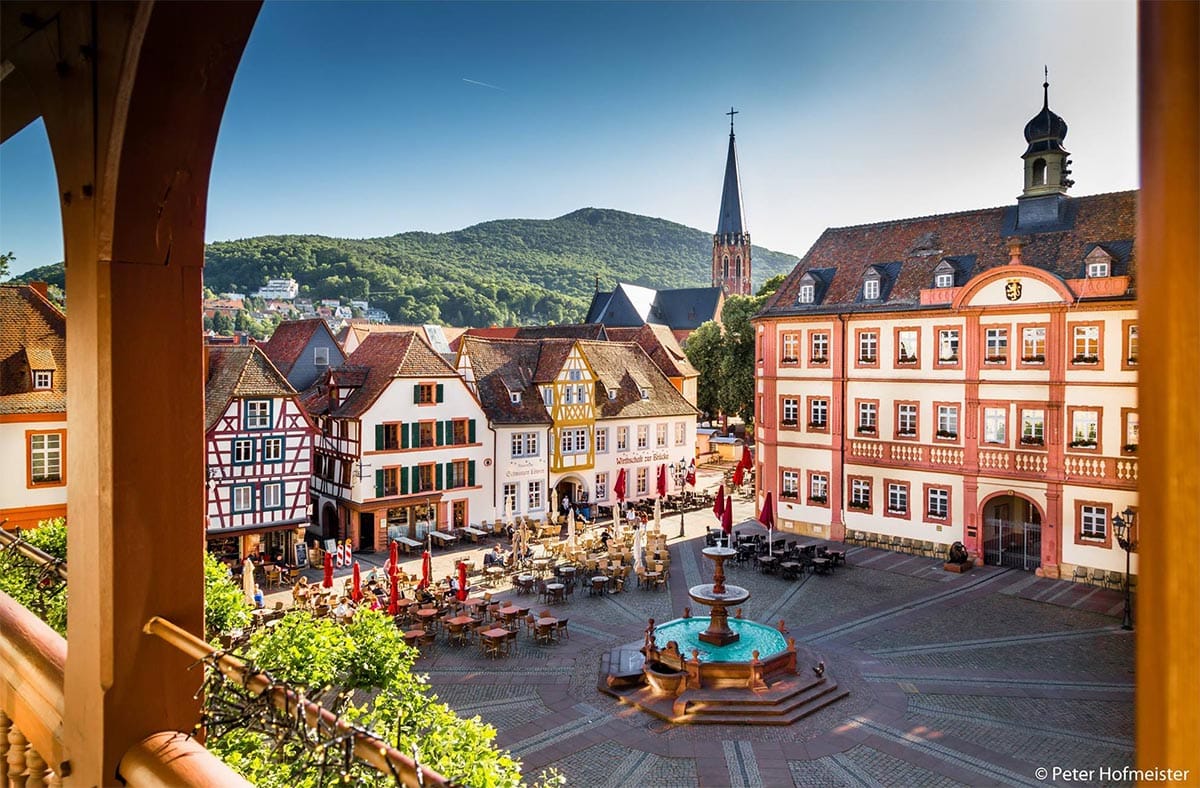
Neustadt an der Weinstraße, founded in the 12th century, has a significant role in the viticulture of the region. The town is situated on the famous Wine Route, benefiting from a climate ideal for wine production. It’s known for its charming old town with medieval architecture, including the beautiful Stiftkirche church and the market square that hosts events like the Neustadt Wine Festival annually.
Recent Developments
Recently, Neustadt has gained attention due to its initiatives promoting local wine tourism. The town has launched several marketing campaigns to attract tourists, showcasing its traditional cellars and wine tastings that highlight local vineyards. In 2023, the region saw a 20% increase in wine tourism, with visitors eager to experience the local culture and gastronomy.
Cultural Significance
Beyond its wine, Neustadt celebrates various cultural events throughout the year, including the Neustadt Carnival and the Christmas Market. These events attract locals and tourists alike, promoting community spirit and engagement. The town also embraces its arts scene with galleries and exhibitions that reflect the creativity of its residents.
Conclusion
Neustadt stands as a testament to Germany’s historical and cultural depth. With its vibrant wine industry and engaging community events, the town not only preserves its past but also embraces a promising future in tourism and cultural engagement. As more people discover its offerings, Neustadt is poised to become a noteworthy destination in Germany’s landscape, encouraging readers to consider visiting and experiencing its unique charm for themselves.