Introduction
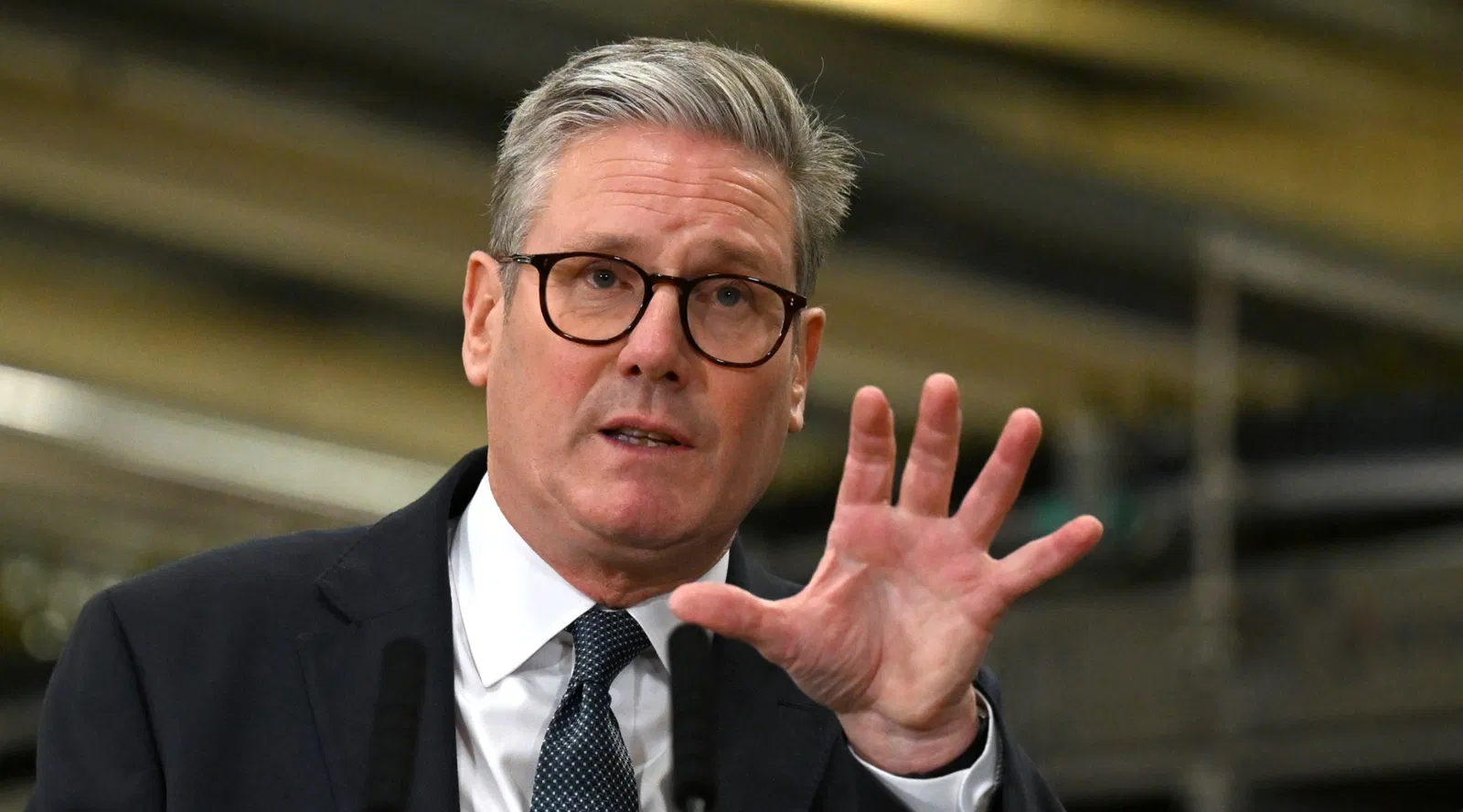
Keir Starmer, the leader of the UK Labour Party, has emerged as a pivotal figure in British politics since assuming leadership in April 2020. With a legal background and a commitment to social justice, Starmer’s leadership is timely and significant as the UK navigates through economic challenges and debates surrounding social policy. His efforts to rejuvenate the Labour Party and prepare it for the next general election have underscored the importance of strong leadership in the current political landscape.
The Current Political Climate
The UK is grappling with various issues, including inflation, healthcare, and climate change. Following a turbulent period under former Prime Minister Boris Johnson and the subsequent leadership of Liz Truss, Starmer’s approach is being closely scrutinised. Recent polling suggests that Starmer is gaining traction among voters dissatisfied with the current government. The latest YouGov poll indicates that Labour has a 10-point lead over the Conservatives, reflecting a growing trust in Starmer’s leadership.
Key Initiatives and Policies
Since taking the reins of the Labour Party, Starmer has focused on promoting a range of progressive policies aimed at addressing the needs of the British public. His policies include commitments to increase funding for the National Health Service, tackle climate change through ambitious green initiatives, and reform the country’s education system to ensure equitable access for all. Additionally, Starmer has been vocal about defending workers’ rights, advocating for better job security and wages, particularly in the wake of the pandemic’s economic fallout.
Criticism and Challenges
Despite his growing popularity, Starmer has faced criticism from within his party, with some members feeling that he has not gone far enough in supporting radical change. The internal challenge highlights the balancing act Starmer must perform between appealing to the party’s traditional base and attracting centrist voters. Striking this balance is critical for a successful campaign in the next general election, slated for 2024.
Conclusion
Keir Starmer’s leadership represents a significant shift for the Labour Party as it seeks to reposition itself in the eyes of the electorate. With the next general election approaching, his ability to effectively communicate a compelling vision for the future, alongside tangible policies, will be vital. Should he succeed in rallying support and addressing the key concerns of voters, Starmer could transform the current political landscape and steer the UK toward a new direction. As political tensions continue to simmer, the decisions made by Starmer over the coming months will be of great importance to both his party and the nation.