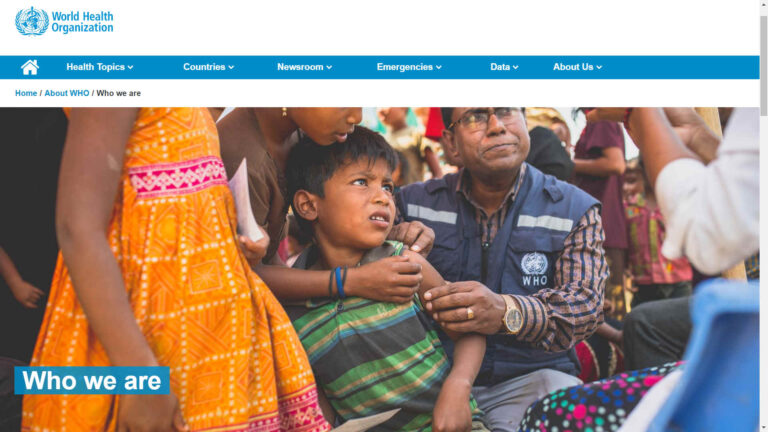
Importance of Disease Prevention
In an ever-evolving world where health threats emerge constantly, the importance of disease prevention has never been greater. With the rise of chronic diseases and the ongoing impact of infectious diseases, implementing effective prevention strategies is crucial for public health.
Current Trends in Disease Prevention
Recent global events, notably the COVID-19 pandemic, have highlighted the need for robust preventive measures. Governments and health organisations worldwide have adopted various strategies, including vaccination campaigns, public health education, and the promotion of healthy lifestyles.
A report from the World Health Organization (WHO) indicated that vaccination prevents 2-3 million deaths yearly. Globally, vaccination rates have surged, with over 13 billion COVID-19 vaccine doses administered as of late 2023. This reflects a significant shift towards prioritising preventive care.
Community Engagement and Education
Community involvement is vital for effective disease prevention. Health campaigns aimed at educating the public about hand hygiene, respiratory etiquette, and the importance of regular medical check-ups are now more prevalent than ever. Schools and workplaces are crucial in disseminating this information, creating a culture of health awareness.
According to the European Centre for Disease Prevention and Control (ECDC), educational initiatives have resulted in a notable decrease in infection rates across several countries. For instance, in 2022, handwashing campaigns reduced gastroenteritis cases by over 40% in targeted communities.
The Role of Technology in Prevention
Technology plays a significant role in advancing preventive measures. Health applications, telemedicine, and wearable devices enable individuals to monitor their health proactively. These platforms can remind users to take preventive actions, such as vaccinations or maintaining regular exercise, thus personalising health care.
Wearable technology, for instance, has encouraged more individuals to engage in physical activity, leading to improved overall health and reduced risks of chronic diseases. Recent studies indicate that regular users of fitness trackers are 30% more likely to meet daily exercise recommendations.
Conclusion: The Future of Disease Prevention
As we move forward, the emphasis on preventive healthcare will likely continue to grow. Policymakers, healthcare providers, and communities need to collaborate more systematically to improve access to preventive services. The incorporation of technological advancements, alongside traditional health education methods, is key to tackling emerging health challenges.
In summary, preventing disease is a multifaceted issue requiring a collective effort. By prioritising education, technology, and community engagement, we can protect the health of our communities and ensure a healthier future for all.