Introduction
In an era where convenience is paramount, RingGo parking has emerged as a leading solution for drivers seeking hassle-free parking options. As urban areas become more congested and parking spaces harder to find, RingGo offers an effective answer by allowing people to park their vehicles via a mobile app. This service not only saves time but also enhances the parking experience by integrating technology into everyday life.
What is RingGo Parking?
RingGo is a mobile parking payment app that allows users to pay for their parking without the need for cash or traditional parking meters. Launched in the UK in 2011, it has rapidly grown in popularity, primarily in metropolitan areas, where finding parking can often be a challenge. With over 1 million users and access to thousands of parking bays nationwide, it provides a flexible and efficient way to manage parking.
How RingGo Works
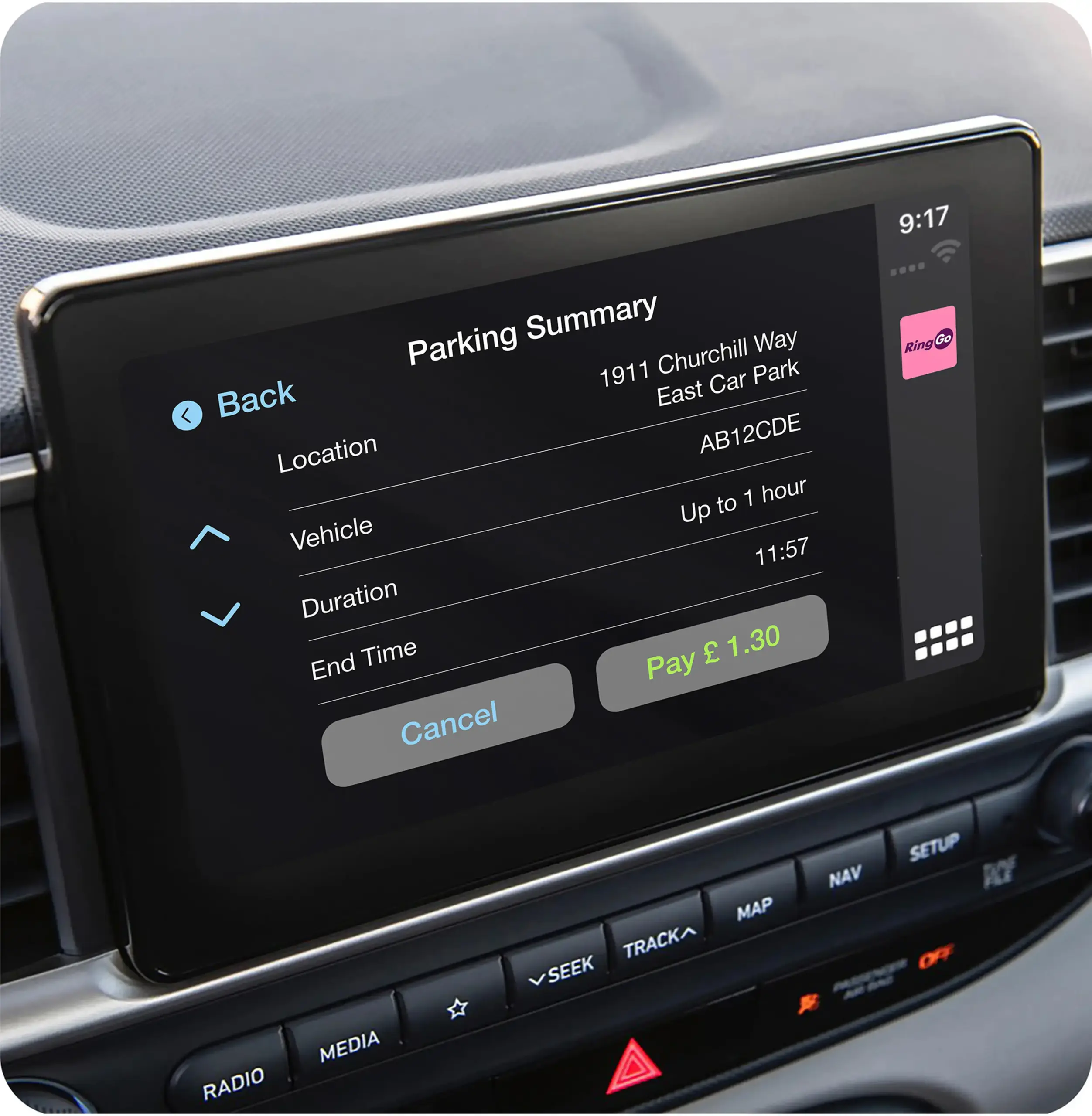
The process of using RingGo is straightforward. Users simply download the app, create an account, and add their vehicle details. When parking, they can choose a location on the app, select the duration, and complete the transaction securely with a payment method of their choice. Once paid, users receive a confirmation via the app, which they can share with parking enforcement if required. Additionally, users can extend their parking time remotely, eliminating the need to rush back to the car.
Benefits of Using RingGo
Using RingGo brings several benefits:
- Time-Saving: It eliminates the need to search for change or queue at parking meters.
- Convenience: Users can pay anytime and anywhere through their mobile device.
- Real-Time Information: The app provides instant updates on parking availability and allows users to extend their stay without returning to the car.
- Wide Acceptance: RingGo is widely accepted in various towns and cities across the UK, making it a reliable option for frequent travelers.
Challenges Facing RingGo
Despite its advantages, RingGo parking is not without challenges. Some users report issues with connectivity and app functioning in certain areas, while others may feel uneasy about relying solely on a digital platform for such essential tasks. As technology continues to evolve, resolving these issues will be crucial for maintaining user trust and expanding the app’s reach.
Conclusion
In conclusion, RingGo parking represents a significant advancement in the way drivers can manage their parking needs. By marrying technology with traditional parking systems, it offers a user-friendly solution that addresses many of the frustrations associated with urban parking. As more users adopt this technology, it is likely that we will see further enhancements and possibly new features that further streamline the parking experience. For readers looking for efficient parking solutions, RingGo is undoubtedly worth considering.