Introduction
The Comoros, a small archipelago located in the Indian Ocean between Madagascar and the coast of Mozambique, is gaining attention for its unique blend of cultures, stunning landscapes, and rich biodiversity. As global travel rebounds post-pandemic, Comoros offers a relatively unexplored destination for those seeking an authentic experience amidst pristine natural beauty. Understanding the Comoros is crucial not only for travellers but also for appreciating its environmental and socio-economic significance.
Geography and Culture
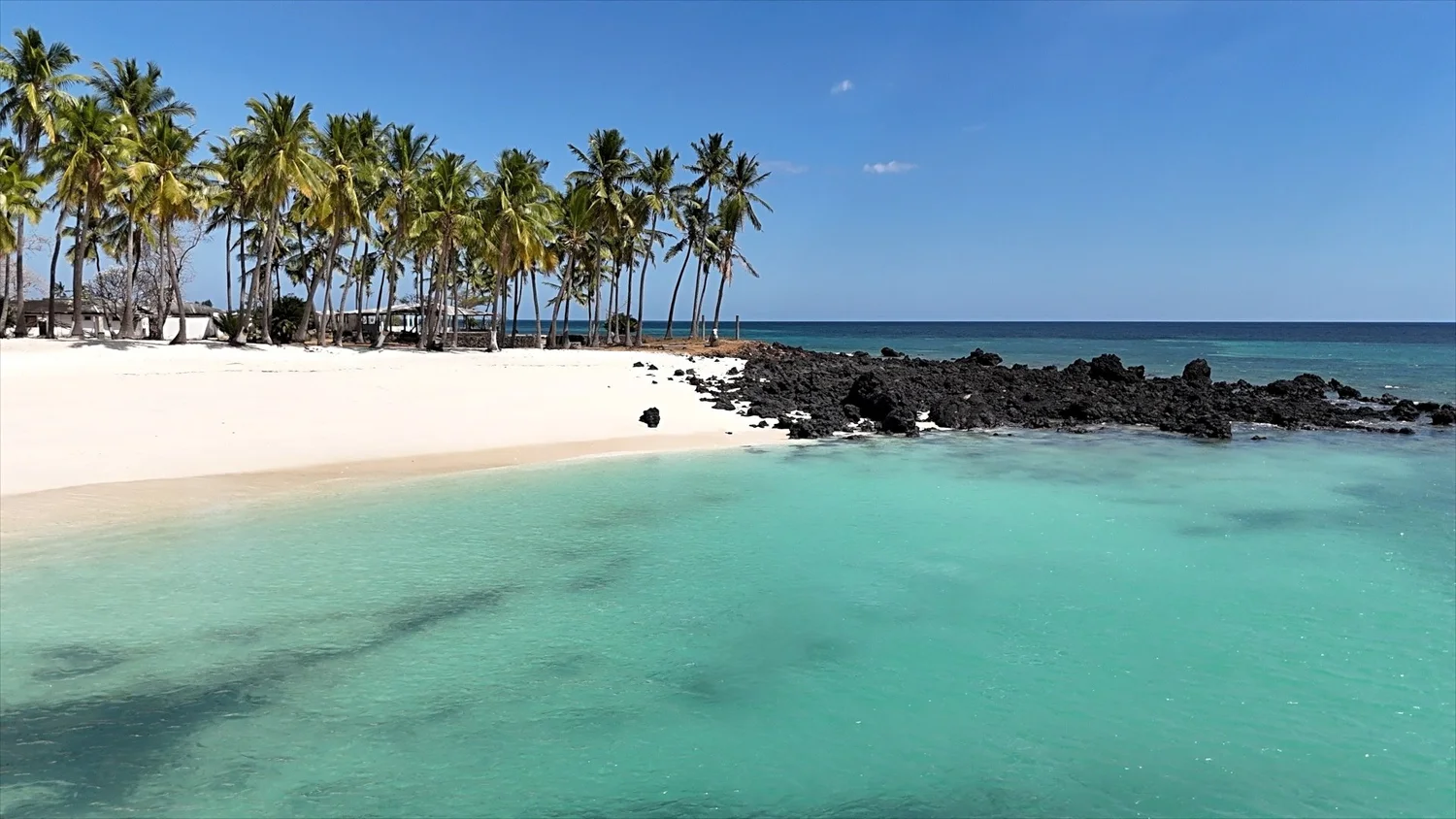
Comprising three main islands—Grande Comore, Anjouan, and Mohéli—along with several smaller islands, the Comoros is known for its volcanic landscapes, lush vegetation, and beautiful beaches. The highest peak, Mount Karthala on Grande Comore, is one of the world’s largest active volcanoes. The culture of the Comoros reflects Arabic, African, and French influences, encapsulated in its languages, traditions, and cuisine. The local people are known for their hospitality, which makes visitors feel at home.
Recent Developments
In recent months, the Comoros has seen renewed interest in tourism, with initiatives aimed at promoting sustainable travel and protecting its rich natural resources. The government is collaborating with international organizations to enhance infrastructure while ensuring the preservation of local culture and biodiversity. Notably, the Comoros is home to several endemic species, making conservation efforts crucial. Additionally, the archipelago has been working to improve its international relations, particularly within the African Union and the Arab League, fostering diplomatic ties that could benefit its development.
Environmental Significance
The unique ecosystems of the Comoros, including its marine life and rainforests, are invaluable. Mohéli National Park, for instance, is a protected area that showcases the archipelago’s commitment to conservation. This park is a sanctuary for sea turtles, and its coral reefs are crucial for marine biodiversity. The ongoing challenges of climate change and overfishing pose risks, underscoring the need for sustainable practices to ensure the archipelago’s ecological health.
Conclusion
In conclusion, the Comoros represents a blend of cultural riches and natural wonders that appeal to both travellers and environmentalists. As it seeks to improve its infrastructure and explore sustainable tourism, the potential for growth in the region is significant. With its stunning landscapes, rich biodiversity, and warm hospitality, Comoros is a destination to watch in the coming years. For those looking to experience an untouched paradise, Comoros may just be the ideal choice for their next adventure.