Introduction
Nuremberg, a city in Bavaria, Germany, holds a pivotal place in history, renowned for its rich cultural legacy and significant events that shaped the course of European history. Its relevance today can be seen in its potent symbols of both unity and division, which continue to resonate in contemporary discussions about justice, human rights, and accountability.
Historical Context
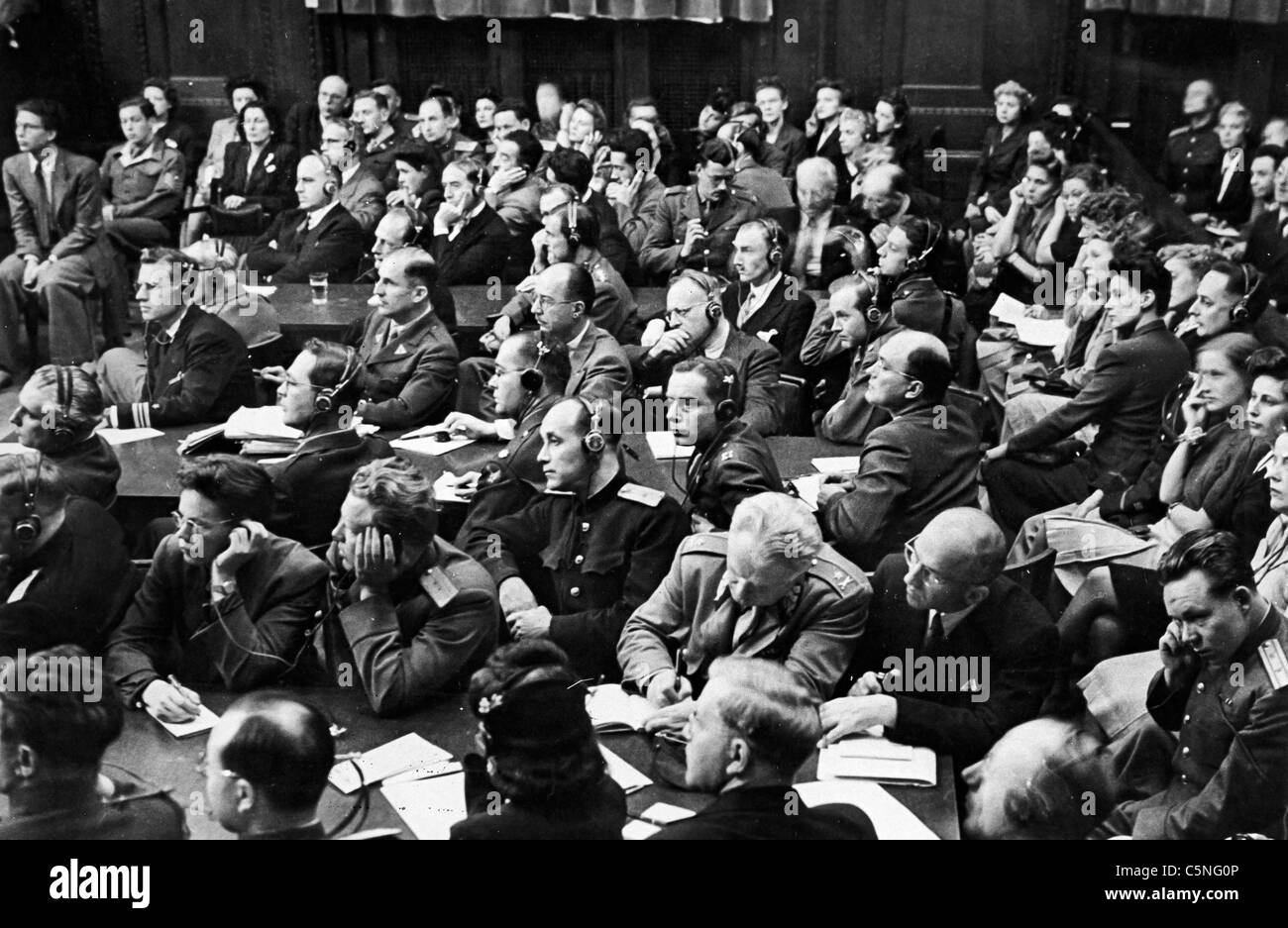
Nuremberg’s history spans over a thousand years, with its foundations laid in the early Middle Ages. The city was a major centre of commerce and the seat of the Holy Roman Empire, becoming notorious for the Nuremberg Laws enacted during the Nazi regime. It is perhaps best known for the Nuremberg Trials held after World War II, where Nazi leaders were prosecuted for war crimes—an event that established a precedent for international law and justice.
In recent years, Nuremberg has also taken steps to reconcile its past. The Documentation Centre Nazi Party Rally Grounds focuses on the dark chapter of totalitarianism and promotes human rights education for future generations.
Recent Developments
In 2023, Nuremberg hosted several symposiums and commemorative activities marking the 75th anniversary of the Nuremberg Trials. These events brought together historians, legal experts, and global leaders to reflect on the trials’ impact on international law and human rights. Discussions highlighted the importance of accountability and the need for mechanisms to prevent atrocities worldwide.
The city has also bolstered its tourism sector with enhanced exhibitions at the Nuremberg Trials Memorial and the Germanisches Nationalmuseum, drawing visitors interested in understanding the complexities of Germany’s past.
Conclusion
Nuremberg stands as a reminder of both the atrocities of the past and the potential for healing and learning through justice. As discussions about human rights and the rule of law continue to evolve, the city serves as an important point of reference. Looking ahead, Nuremberg will likely remain a focal point for examining issues of war crimes, reconciliation, and the ongoing quest for justice in a world that still grapples with the shadows of its history.