Introduction
Tesla, Inc. has been at the forefront of the electric vehicle (EV) revolution, and its latest developments continue to shape the future of transportation and renewable energy. With rising global concerns over climate change and the push for sustainable energy solutions, Tesla remains a pivotal player in the automotive industry. As the company rolls out new models and technology enhancements, it is essential for consumers and industry analysts alike to stay informed about these changes that could influence market dynamics.
Recent Innovations and Model Updates
As of late 2023, Tesla has unveiled significant upgrades to its product line. The most anticipated is the release of the Tesla Cybertruck, which features a striking design and advanced technologies tailored for durability and utility. Tesla aims to begin deliveries of the Cybertruck by the end of this year after numerous delays. Early feedback and pre-orders have shown strong interest, indicating high expectations among consumers.
Moreover, Tesla has announced updates to its existing models, including enhancements in the Model S and Model X. These updates include improved battery efficiency, extended range capabilities, and upgraded interior features, such as infotainment systems utilizing artificial intelligence for enhanced user experience. The focus on enhancing the driving experience reflects Tesla’s commitment to innovative technology.
Gigafactory Expansion and Production Goals
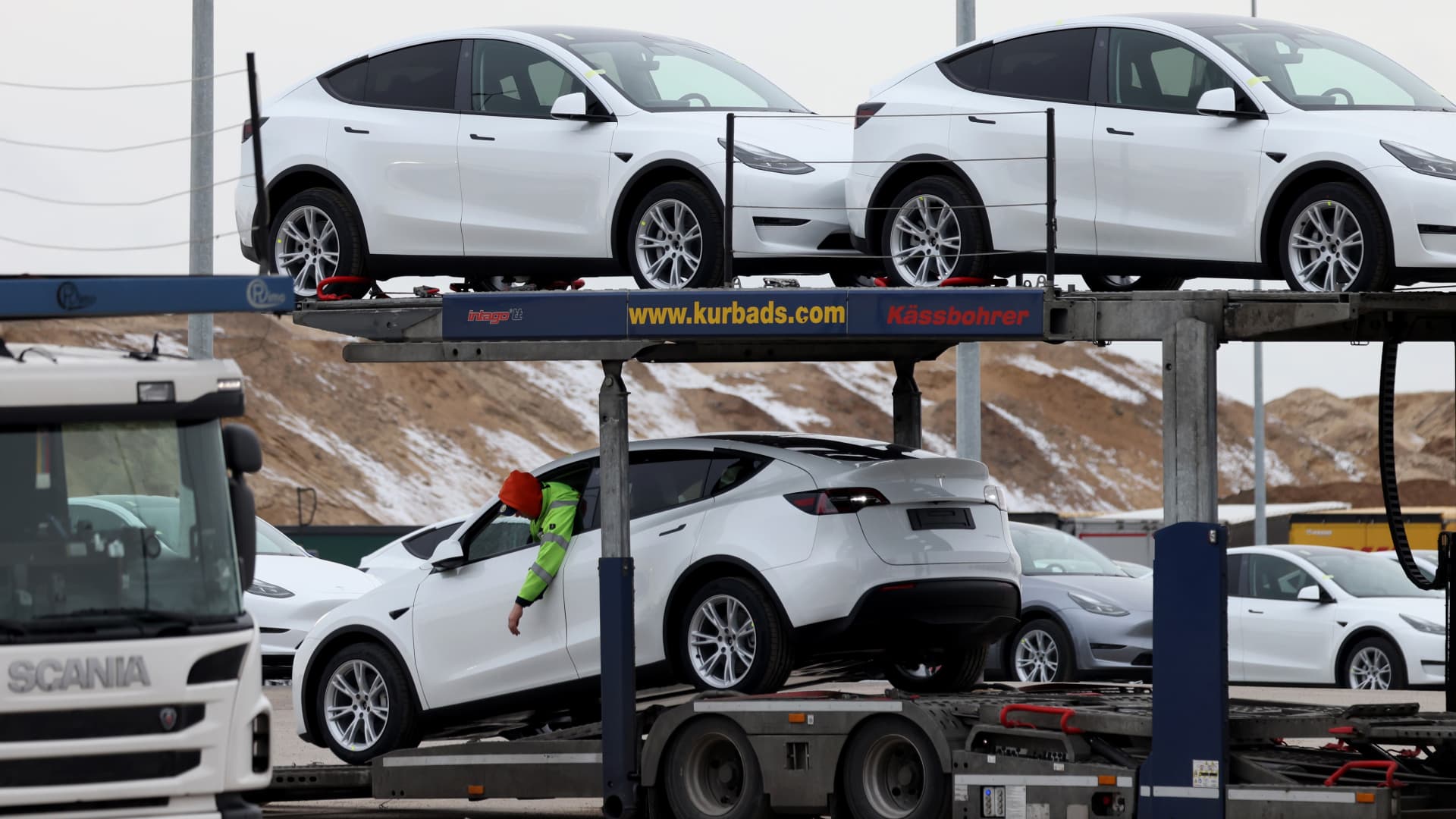
In addition to vehicle updates, Tesla is expanding its manufacturing capabilities with new Gigafactories. The Gigafactory in Austin, Texas, is nearing full production capacity, aiming to produce up to 1 million units annually. This expansion is crucial as global demand for EVs continues to rise. Additionally, plans for a new Gigafactory in Europe highlight Tesla’s strategy to establish a stronger presence in international markets.
Challenges and Future Prospects
Despite these advancements, Tesla faces challenges, including ongoing supply chain issues and increasing competition from traditional automakers entering the EV market. Companies such as Ford and General Motors are ramping up their electric vehicle offerings, which could impact Tesla’s market share. However, analysts believe that Tesla’s brand loyalty, technological lead, and strong production capabilities will help it maintain its competitive edge.
Conclusion
As Tesla continues to innovate and expand, the significance of its latest developments cannot be overstated. The company’s efforts to improve vehicle technology and production scalability not only contribute to its growth but also influence the broader market trends in the electric vehicle sector. Consumers and investors should monitor these developments closely, as Tesla’s future initiatives will likely have lasting impacts on the automotive landscape and the shift towards a more sustainable future.