Introduction
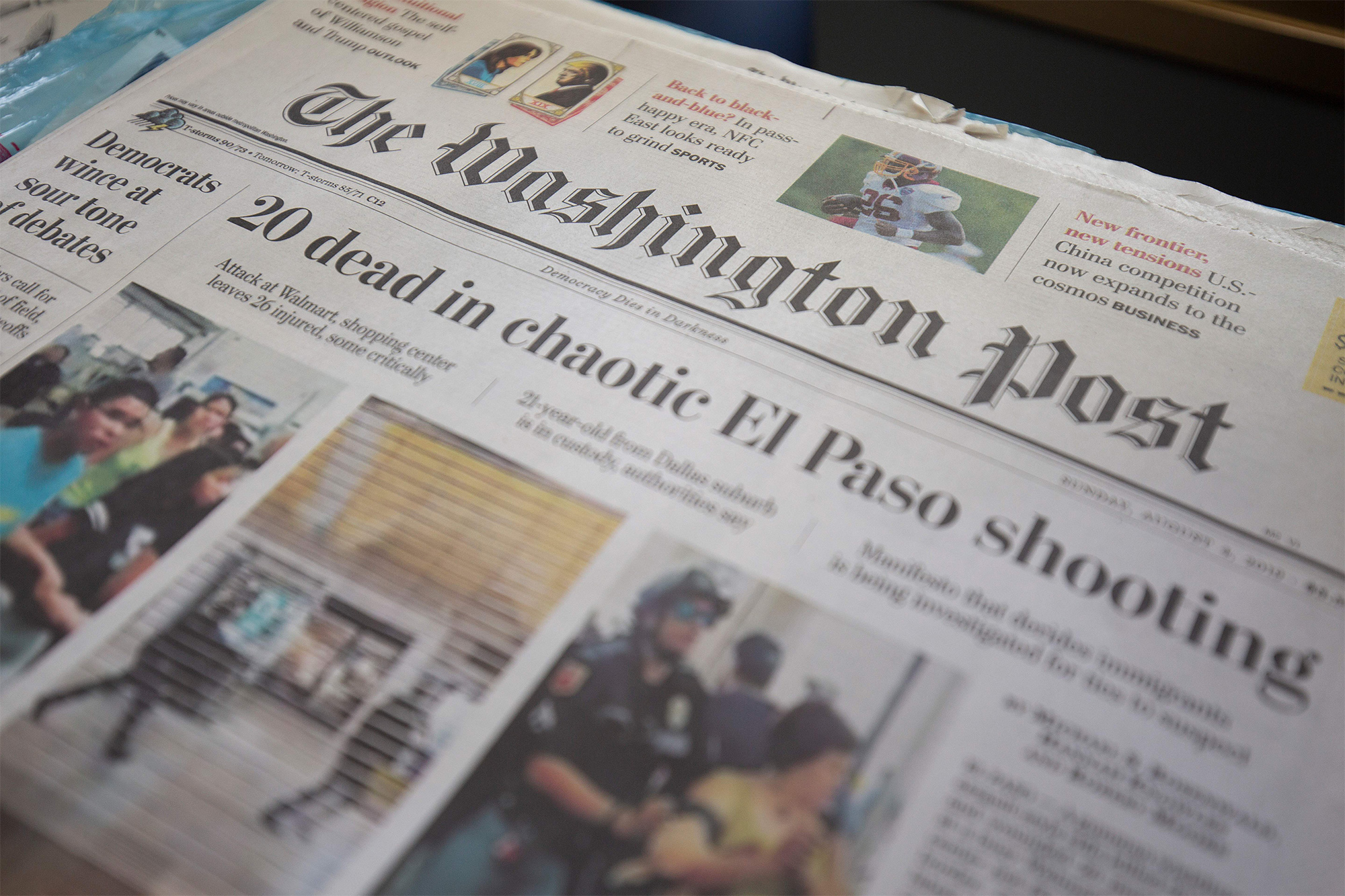
The Washington Post, established in 1877, has long been regarded as a prominent player in the field of journalism. Known for its in-depth coverage and investigative reporting, it serves as a critical source of news for millions worldwide. The relevance of The Washington Post today extends beyond breaking news; it actively shapes public discourse and informs citizens about global and national issues.
Recent Developments
In recent months, The Washington Post has made headlines not just for its news coverage but also for its innovative approach to adapting to the digital age. Following a significant decline in print readership, the publication has invested heavily in its online platform, increasing subscription rates to over 3 million by the end of 2023. This shift reflects a broader trend in the media industry, where digital consumption is on the rise.
Additionally, The Washington Post has been at the forefront of various major news stories this year, including the political landscape leading up to the 2024 elections and ongoing global issues such as climate change and the aftermath of the COVID-19 pandemic. Investigative series focusing on topics like misinformation in the media and government accountability have highlighted the paper’s commitment to journalistic integrity.
Impact and Influence
The influence of The Washington Post cannot be understated. Multiple Pulitzer Prizes testify to its journalistic excellence, but its impact goes beyond awards. The publication has a unique ability to hold power to account, illustrated by its rigorous investigations that have prompted governmental inquiries and policy changes. Particularly notable was its coverage of the Watergate scandal, which played a crucial role in the eventual resignation of President Richard Nixon.
Conclusion
As The Washington Post continues to evolve, its role as a watchdog of democracy remains vital. In a world filled with misinformation, the commitment to factual reporting is essential for maintaining an informed electorate. The challenges ahead in the media landscape will test the resilience and adaptability of The Washington Post, but its historical significance and journalistic prowess suggest it will remain a central player in shaping the narrative of contemporary events. Readers can expect continued high-quality reporting that not only informs but empowers citizens to engage critically with the world around them.