Introduction
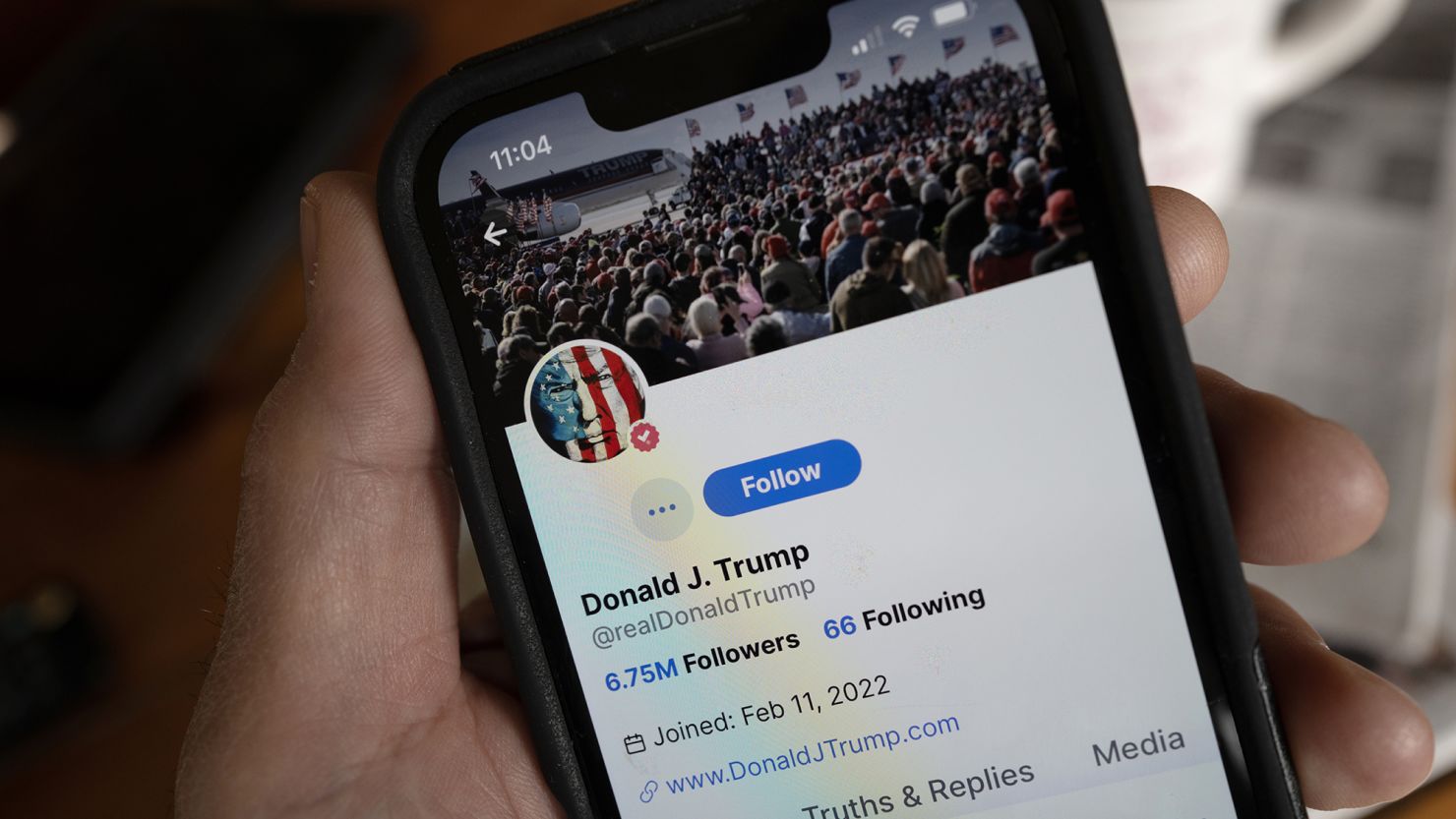
The emergence of Trump’s Truth Social platform marks a significant development in the landscape of social media. Launched in February 2022, the platform was created as a response to perceived censorship on mainstream social media sites, aiming to provide users with a space that upholds free speech. As social media increasingly influences political discourse, Truth Social has become a focal point in discussions surrounding online expression and political engagement.
What is Truth Social?
Truth Social is a social networking service launched by the Trump Media & Technology Group (TMTG), founded by former President Donald Trump. The platform aims to offer an alternative to traditional social media networks, promoting itself as a space where users can freely express their thoughts without fear of censorship. The launch followed Trump’s ban from major platforms like Twitter and Facebook after the January 6 Capitol riot, highlighting the continuing tensions between social media companies and conservative voices.
Recent Developments
Truth Social has faced various challenges since its inception, including technical difficulties and slow user sign-ups. However, as of late 2023, the platform has reported significant growth in its user base, with over 5 million registered users, reflecting a growing demand for alternatives to mainstream platforms. Recent updates have introduced features such as enhanced user engagement tools and improved security measures, aiming to provide a better user experience.
Impact on Social Media Landscape
Trump’s Truth Social has emerged as part of a larger trend in social media, where niche platforms are gaining traction among specific user groups. It represents an increasing fragmentation of the online space, where users seek platforms that align with their personal values and political beliefs. Additionally, Truth Social’s rise raises questions about the future of content moderation and regulation in an era where misinformation can spread rapidly. As more individuals flock to echo chambers that reflect their views, the challenge of navigating discourse and maintaining factual integrity becomes increasingly complex.
Conclusion
The relevance of Truth Social extends beyond just a social media platform; it embodies the broader societal shifts regarding free speech, political identity, and the role of technology in shaping modern communication. As the platform continues to evolve, it will be crucial for both users and regulators to address the implications of such spaces on democratic engagement and accountability. With increasing scrutiny on the dissemination of content online, the future of Truth Social and similar platforms will likely play a pivotal role in the ongoing conversation about the balance between freedom of expression and the prevention of harmful misinformation.