Introduction
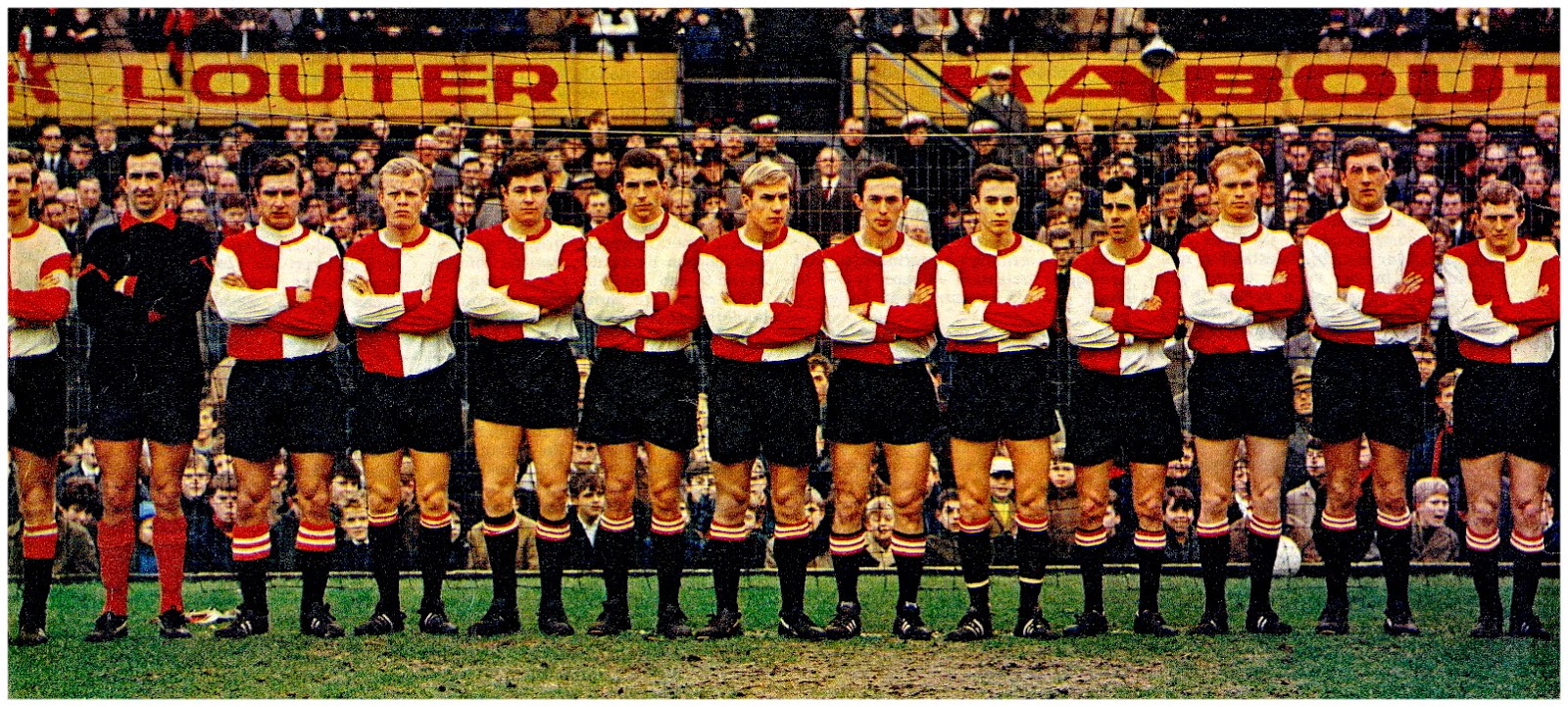
Feyenoord, established in 1908, is a prominent football club based in Rotterdam, Netherlands. Renowned for its passionate fanbase and rich history, the club plays a pivotal role in Dutch football. Its relevance is underscored by a long-standing tradition of competitive excellence and its contribution to the development of football in the Netherlands.
Recent Performance
The 2022-2023 season marked an impressive campaign for Feyenoord as they reclaimed the Eredivisie title, finishing the season with a total of 81 points. This triumph not only demonstrated their resilience following previous seasons but also highlighted the club’s strategic management and player development programmes. Head coach Arne Slot has transformed the squad into a formidable force in both national and European competitions.
Feyenoord’s journey in the UEFA Europa League has been a significant talking point this year. The team advanced to the knockout stages, showcasing their talents against some of Europe’s best teams. Their performances have reinvigorated the spirit of the club, with exciting matches drawing large crowds and media attention.
Community Engagement and Impact
Feyenoord’s impact extends beyond the pitch. The club is deeply involved in community initiatives, promoting sports and health among youth in Rotterdam. The Feyenoord Foundation plays a crucial role in this, offering various programmes that empower young individuals through sporting activities, education, and mentorship.
Conclusion
As Feyenoord continues to build on its legacy, the club remains a cornerstone of Dutch football. With promising young talents and a strategic approach to competition, forecasts for the upcoming seasons remain optimistic. Fans can expect an exciting future, as Feyenoord aims to not only dominate the Eredivisie but also make further strides in European competitions. The continued success and community focus of Feyenoord underline its significance not only as a football club but as a vital part of the cultural fabric of Rotterdam.