Introduction
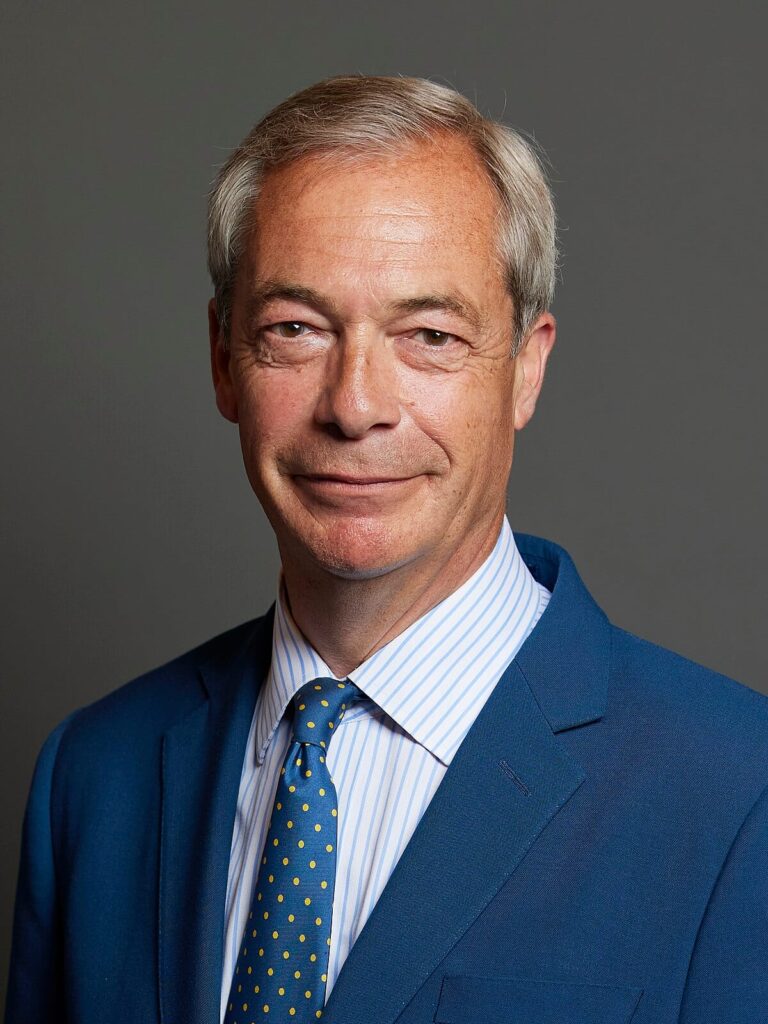
Kier Starmer, the leader of the UK Labour Party since April 2020, has emerged as a significant figure in British politics. His journey from a distinguished lawyer to a political leader reflects the dynamics of contemporary political discourse in the UK. As the country faces an array of challenges, including economic hardship and public sector issues, Starmer’s leadership is pivotal in shaping the future direction of the Labour Party and its approach to governance.
The Rise of Kier Starmer
Born in 1962 in Southwark, London, Kier Starmer pursued a degree in law at the University of Leeds, followed by a Bachelor of Civil Law at the University of Oxford. He served as Director of Public Prosecutions (DPP) and Head of the Crown Prosecution Service (CPS) from 2008 to 2013, a role that earned him respect for his commitment to justice reform. His decision to enter politics saw him elected as the MP for Holborn and St Pancras in 2015.
Leadership of the Labour Party
Starmer succeeded Jeremy Corbyn during a period of tumult within the party, primarily after a devastating defeat in the 2019 General Election. His approach has been characterised by attempts to unite the party’s factions and distance itself from past controversies. Starmer’s leadership style is marked by a focus on policy reform and a centrist approach that aims to appeal to a broader electorate.
Current Events and Challenges
As of October 2023, Starmer faces significant challenges, particularly with the upcoming general elections. Recent polls indicate that Labour is in a strong position relative to the Conservative Party. However, issues such as the cost-of-living crisis and public sector funding continue to test his strategies and responses. Starmer’s proposals for economic reform and energy transition policies aim to tackle these pressing issues, which resonate with voters concerned about the future.
Conclusion
Kier Starmer’s journey is a testament to the evolving nature of British politics. His leadership style and policy direction are crucial for the Labour Party as it seeks to regain relevance and voter trust. The upcoming elections will likely define Starmer’s legacy and the party’s role in the UK’s political landscape for years to come. As the nation grapples with significant socio-economic challenges, Starmer’s responses will be pivotal in shaping public perception and the future of governance in the UK.