Introduction
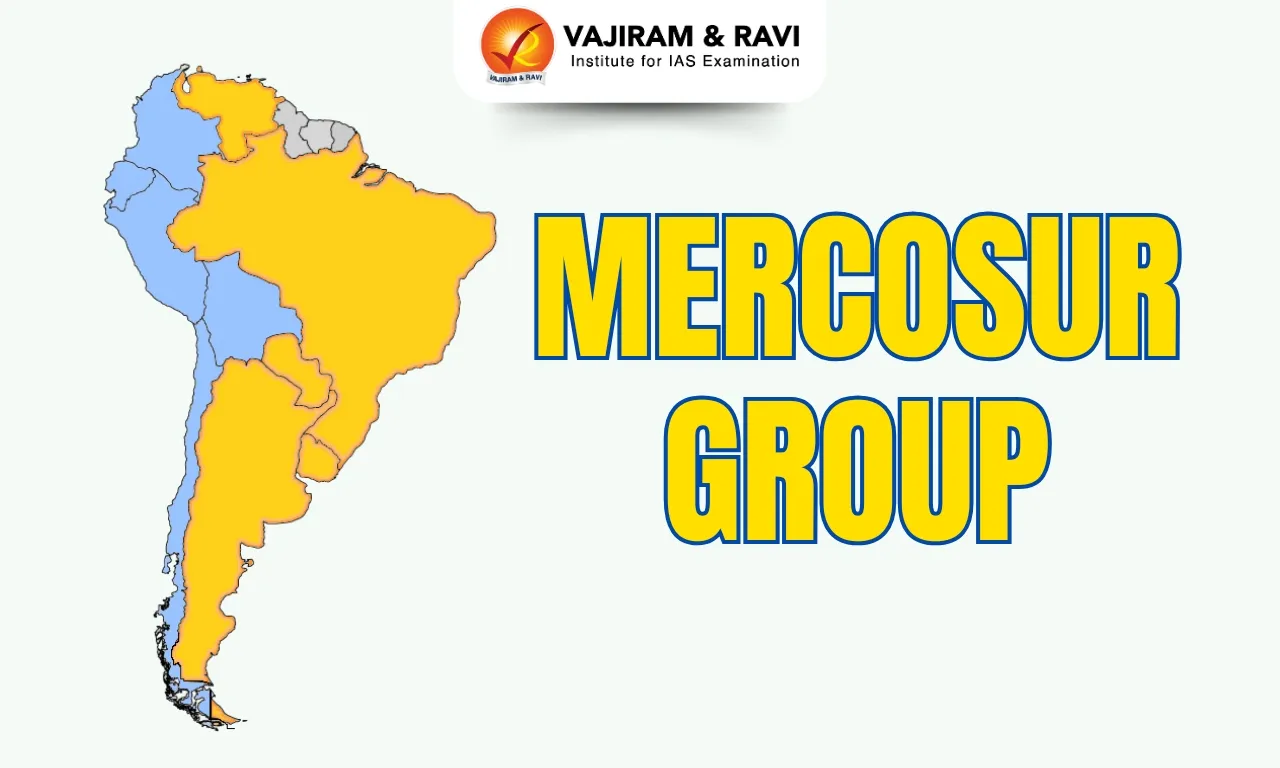
The Southern Common Market, known as Mercosur, is one of the most significant trade blocs in South America, comprising Argentina, Brazil, Paraguay, and Uruguay. Established in 1991, Mercosur aims to promote free trade and economic integration among member countries. Recent developments regarding this agreement are critical not only for the economies of its member nations but also for the global economic landscape, particularly amidst rising protectionism and shifts in international trade dynamics.
Current Status of Mercosur
As of 2023, discussions surrounding the Mercosur agreement have intensified. The bloc is in the process of finalising its long-awaited trade agreement with the European Union (EU), which has faced numerous delays and complications over environmental and agricultural standards. The Mercosur-EU deal promises to eliminate tariffs on goods, increase exports, and create jobs across member countries. Recent reports indicate that negotiations have recommenced with both parties optimistic about reaching a conclusive agreement by the end of the year.
The Impact of Global Economic Factors
Global economic factors, including rising inflation rates in several countries, supply chain disruptions, and the ongoing impact of the COVID-19 pandemic, have added urgency to achieving a Mercosur agreement. Member countries believe that a successful trade deal could provide critical support to their economies, enabling greater access to markets and the potential for enhanced foreign investment.
Challenges Ahead
Despite the potential benefits, challenges remain. Environmental concerns, particularly relating to deforestation in the Amazon rainforest and the agricultural policies of member countries, have posed significant obstacles. The EU has made it clear that compliance with environmental commitments is non-negotiable. Therefore, how Mercosur addresses these criticisms will be closely scrutinised by both member nations and external partners.
Conclusion
As Mercosur navigates these complex negotiations, the significance of the trade bloc remains evident. A successful deal not only promises economic growth but also sets a precedent for international cooperation in trade amidst mounting global challenges. For businesses and consumers alike, the outcomes of these negotiations could reshape trade patterns for years to come. Continued monitoring of the situation will be essential for those invested in the economic developments within South America and beyond.