Introduction
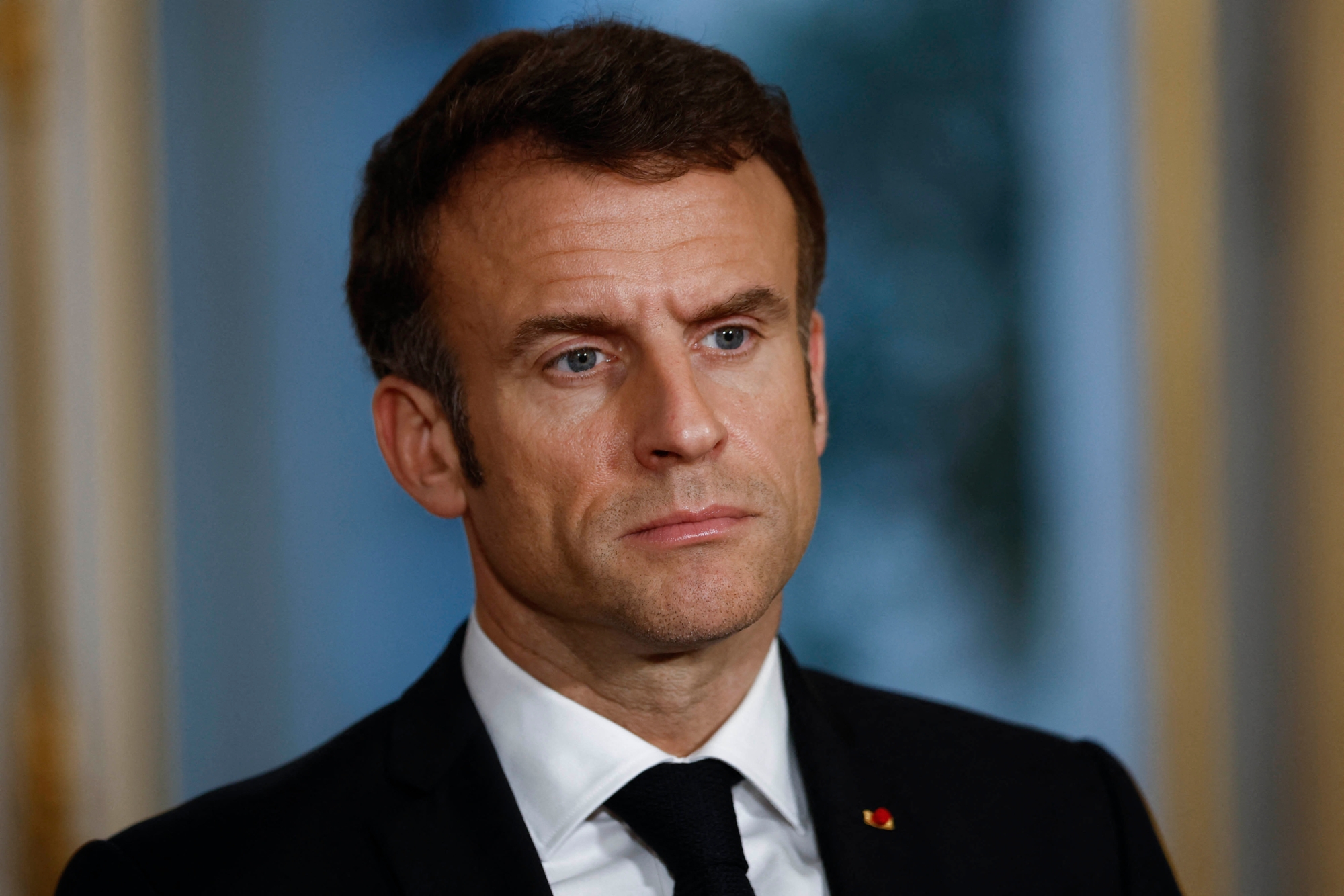
French President Emmanuel Macron has been a pivotal figure in European politics since his election in 2017. His policies on various fronts—including economic reforms, environmental initiatives, and foreign relations—have sparked discussions across the continent. Understanding Macron’s recent policy changes is essential for grasping their implications for both France and the wider European Union.
Recent Policy Changes
This month, Macron’s administration unveiled a series of policy shifts aimed at revitalising the French economy, addressing social inequalities, and responding to climate change. One of the notable measures includes increasing the minimum wage to support low-income workers amidst rising living costs. This decision aligns with Macron’s ongoing commitment to bolster local purchasing power.
In the realm of environmental policy, Macron recently reiterated his government’s aim to meet the EU’s climate targets by 2030. Plans to phase out fossil fuel subsidies and invest in renewable energy options are part of this renewed focus. Moreover, he has proposed a ‘green tax’ on carbon emissions to encourage businesses to adopt sustainable practices.
International Relations
On the international front, Macron’s recent diplomatic engagements illustrate his desire to maintain France’s influence in global affairs. His discussions with leaders from the EU and NATO are pivotal as Europe navigates complex challenges such as security in Eastern Europe and the ongoing consequences of Brexit. Macron is advocating for a more unified European defence strategy, proposing an increased budget for military collaborations among EU nations.
Public Response and Reactions
The public’s reaction to Macron’s policies has been mixed. While several economic reforms have received praise for addressing urgent needs, some critics argue that they may not go far enough in combating social inequalities. Additionally, environmental activists have questioned the effectiveness of his new green policies, calling for more immediate actions to tackle climate change. Macron’s approval ratings reflect these divisions, showing fluctuations as he balances between various sectors’ expectations.
Conclusion
As President Macron continues to implement significant policy changes, the implications for France and the EU remain profound. The economy’s response to these measures and public sentiment will play crucial roles in shaping his administration’s future. Observers anticipate that Macron’s emphasis on sustainability and social equity will set the stage for France’s trajectory in the coming years, especially as the country gears up for the next presidential election in 2027. For residents and citizens of the EU, monitoring these developments is vital as they navigate the complexities of economic and political landscapes.