The Importance of the Gulf of Mexico
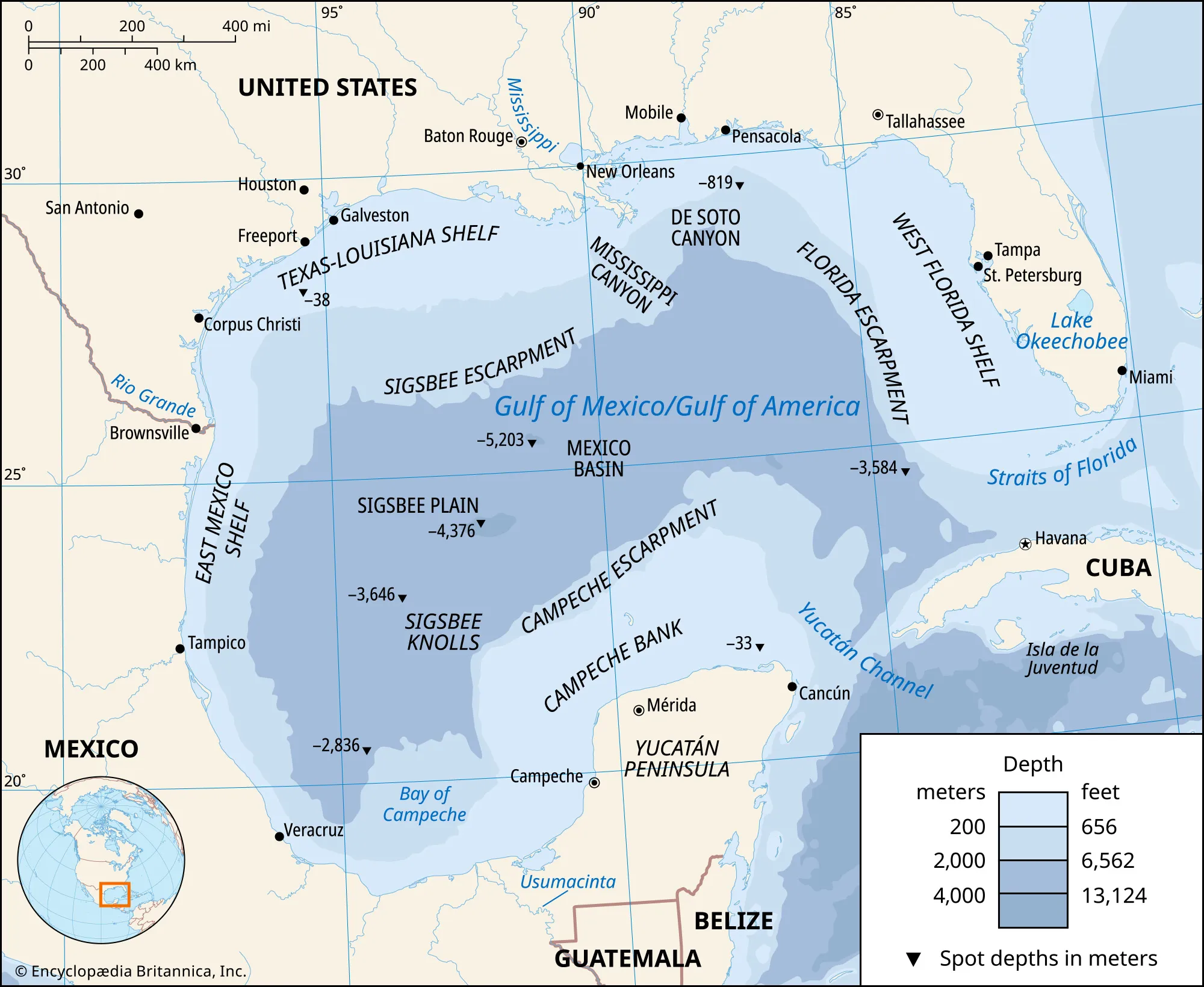
The Gulf of Mexico is an essential body of water that supports a vast ecosystem while also serving as a hub for economic activities such as fishing, tourism, and oil exploration. Stretching over 600 miles and bordered by five U.S. states—Texas, Louisiana, Mississippi, Alabama, and Florida—the Gulf teems with biodiversity. Its health is vital not only for regional economies but also for maintaining global ecological balance.
Environmental Concerns
Recently, the Gulf of Mexico has been at the forefront of environmental discussions. With oil spills and rising water temperatures threatening marine life, environmental activists are raising alarms about the ongoing threats to this delicate ecosystem. For example, the 2023 report by the National Oceanic and Atmospheric Administration (NOAA) indicated a significant increase in the occurrence of ‘dead zones’—areas where oxygen levels are too low to support marine life. These areas have expanded due to excessive nutrient runoff from agriculture and urban areas, exacerbating existing environmental challenges.
Oil Exploration and Its Impact
The Gulf is also known for its substantial oil reserves, which have led to ongoing debate over sustainable practices. In recent months, several oil companies have expressed intent to expand their drilling operations, aiming to tap into deep-water reserves. However, environmentalists argue that this could lead to catastrophic spills, similar to the 2010 Deepwater Horizon disaster, which caused irreversible damage to the marine ecosystem.
Fishing and Economy
Fisheries in the Gulf, particularly shrimp, menhaden, and grouper, contribute billions to the economy, employing thousands of workers. But the dual threats of pollution and overfishing have left many local fishermen concerned about their future. Recent legislation aimed at protecting fish stocks has been introduced to ensure sustainable fishing practices, but enforcement remains a challenge.
Conclusion
The future of the Gulf of Mexico hangs in the balance as environmental, economic, and political forces collide. Continued monitoring and policymaking will be crucial as local and federal governments work to balance the needs of the economy while protecting the rich biodiversity of the region. As climate change and human activity put increasing pressure on this vital body of water, proactive measures will be necessary to secure a sustainable future for the Gulf of Mexico.