Introduction
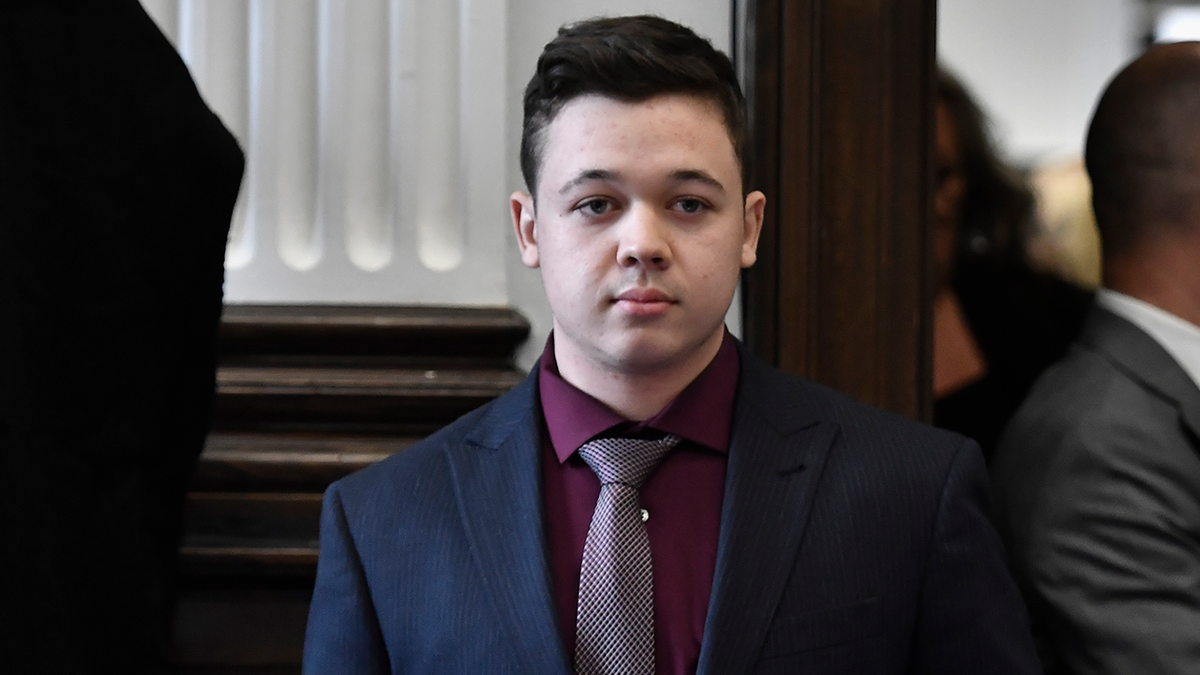
Kyle Rittenhouse emerged as a controversial figure following the events of August 2020, when he shot three men during protests in Kenosha, Wisconsin. His case captures the ongoing debate surrounding self-defense, gun rights, and the socio-political landscape in the United States. The implications of Rittenhouse’s actions and subsequent trial have prompted widespread discussion, making it essential to revisit the topic in light of recent developments.
The Incident in Kenosha
On August 25, 2020, Rittenhouse, then 17, travelled from Illinois to Kenosha amid ongoing protests against police violence following the shooting of Jacob Blake. Armed with an AR-15 style rifle, he claimed to be there to protect businesses and provide medical assistance. During the protests, Rittenhouse shot and killed two men and injured another, leading to his arrest and a high-profile trial.
The Trial and Verdict
The case drew national attention as it raised questions about the right to bear arms and vigilantism. Rittenhouse’s trial began in November 2021 and concluded with a not guilty verdict on all counts, including homicide and attempted homicide. The jury’s decision sparked protests and discussions over the legal standards for self-defense, further intensifying divisions in American society.
Recent Developments
Fast forward to 2023, Rittenhouse has capitalised on his notoriety, engaging in public speaking and aligning with certain political groups. Recently, he made headlines by announcing a collaboration to produce a documentary regarding his experiences and views, aiming to shed light on what he perceives as misrepresentation during his trial. This initiative has reignited debates about media portrayals of self-defense cases and the influence of social media on public opinion.
Conclusion
As Rittenhouse continues to maintain a presence in public discourse, the significance of his case remains profound. It underscores the importance of understanding underlying issues related to gun legislation, civil unrest, and social justice. With ongoing discussions about the balance between self-defense rights and public safety, Rittenhouse’s story serves as a microcosm of the larger national conversation in the United States. As public interest persists, the developments surrounding his case will undoubtedly continue to shape debates on vigilantism and the implications of legal outcomes on societal norms.