Introduction
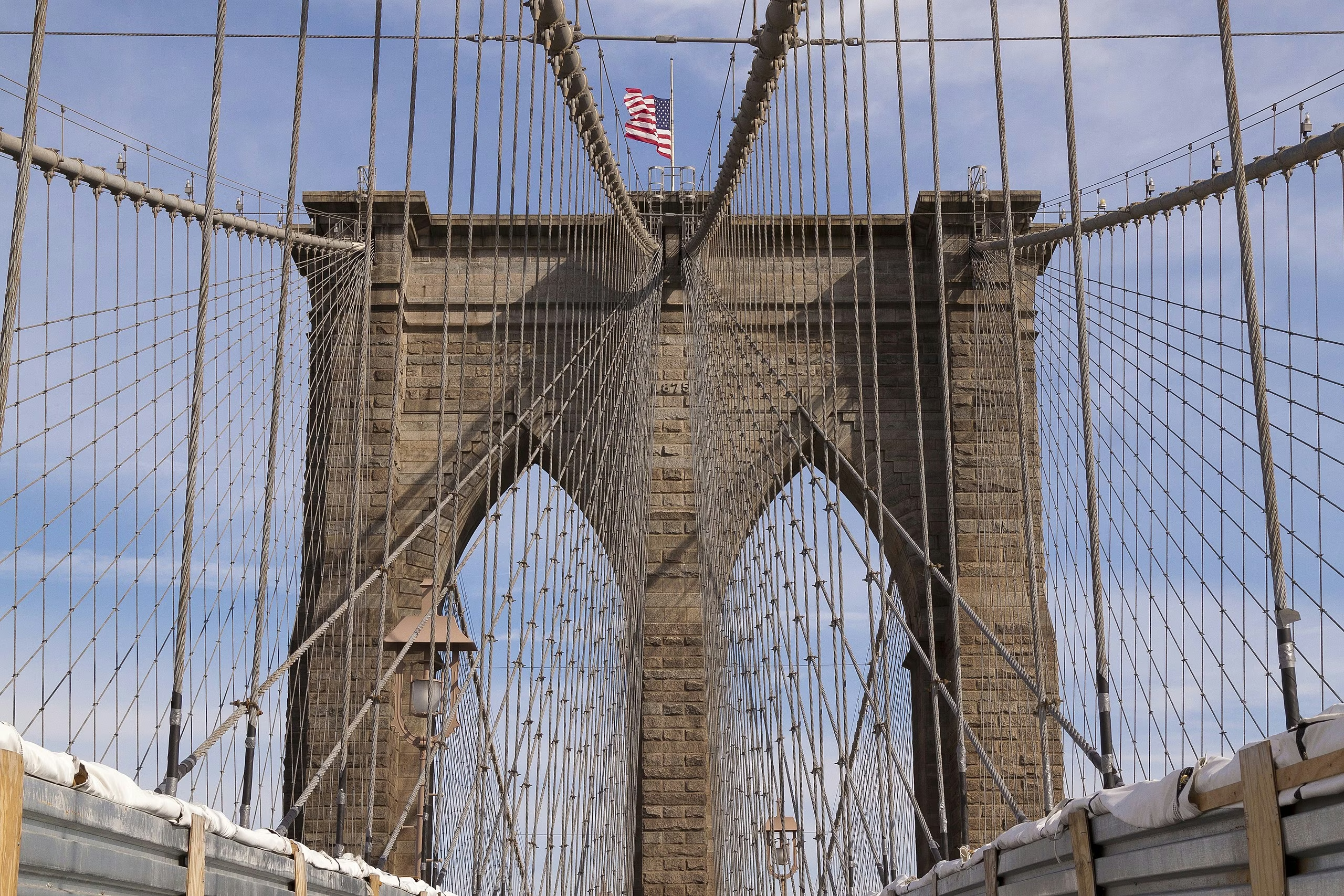
The Brooklyn Bridge, a symbol of New York City, stands as an engineering marvel and cultural icon, connecting the boroughs of Manhattan and Brooklyn. Opened in 1883, this masterpiece of 19th-century architecture continues to capture the imagination of millions of visitors each year. With its storied past and importance in modern times, understanding the bridge’s significance is essential for both locals and tourists.
Historical Background
Designed by John A. Roebling, the Brooklyn Bridge was the first steel-wire suspension bridge constructed in the United States. Its construction began in 1869 but was marred by tragedy when Roebling died due to an accident on-site. His son, Washington Roebling, took over the project and faced numerous challenges, including bureaucratic delays and health issues, which kept him away from the site. Nevertheless, after 14 years, the bridge was finally completed, officially opening to the public on May 24, 1883. The opening was celebrated with a massive parade and has since been a central element in New York City history.
Significance Today
The Brooklyn Bridge remains a vital transportation route, accommodating over 150,000 vehicles and pedestrians daily. The bridge’s span is 1,834 meters (6,016 feet), making it one of the longest suspension bridges in the world. It also serves as a symbol of American ingenuity and determination, embodying the spirit of the Gilded Age in which it was constructed. Additionally, the bridge has become a popular tourist destination, attracting approximately 4 million visitors each year, who come to walk its pathways and take in the unparalleled views of Manhattan and the East River.
Modern Developments and Preservation Efforts
In response to increasing traffic and the wear and tear on the structure, the Brooklyn Bridge has undergone numerous upgrades and preservation projects in recent years. Recent initiatives aimed at restoring its historic elements while enhancing safety measures help ensure that this iconic structure remains functional for generations to come. Furthermore, a recent initiative aimed at improving its pedestrian walkways has had positive feedback, creating a safer and more enjoyable experience for those crossing the bridge.
Conclusion
The Brooklyn Bridge is more than just an essential mode of transportation; it is a testament to the vision and engineering prowess of its time. As we look to the future, ongoing preservation efforts will ensure that this iconic landmark continues to inspire awe and admiration, while bridging the gap between history and modern urban life. For New Yorkers and visitors alike, experiencing the Brooklyn Bridge is a quintessential part of understanding the city’s rich heritage.