Introduction
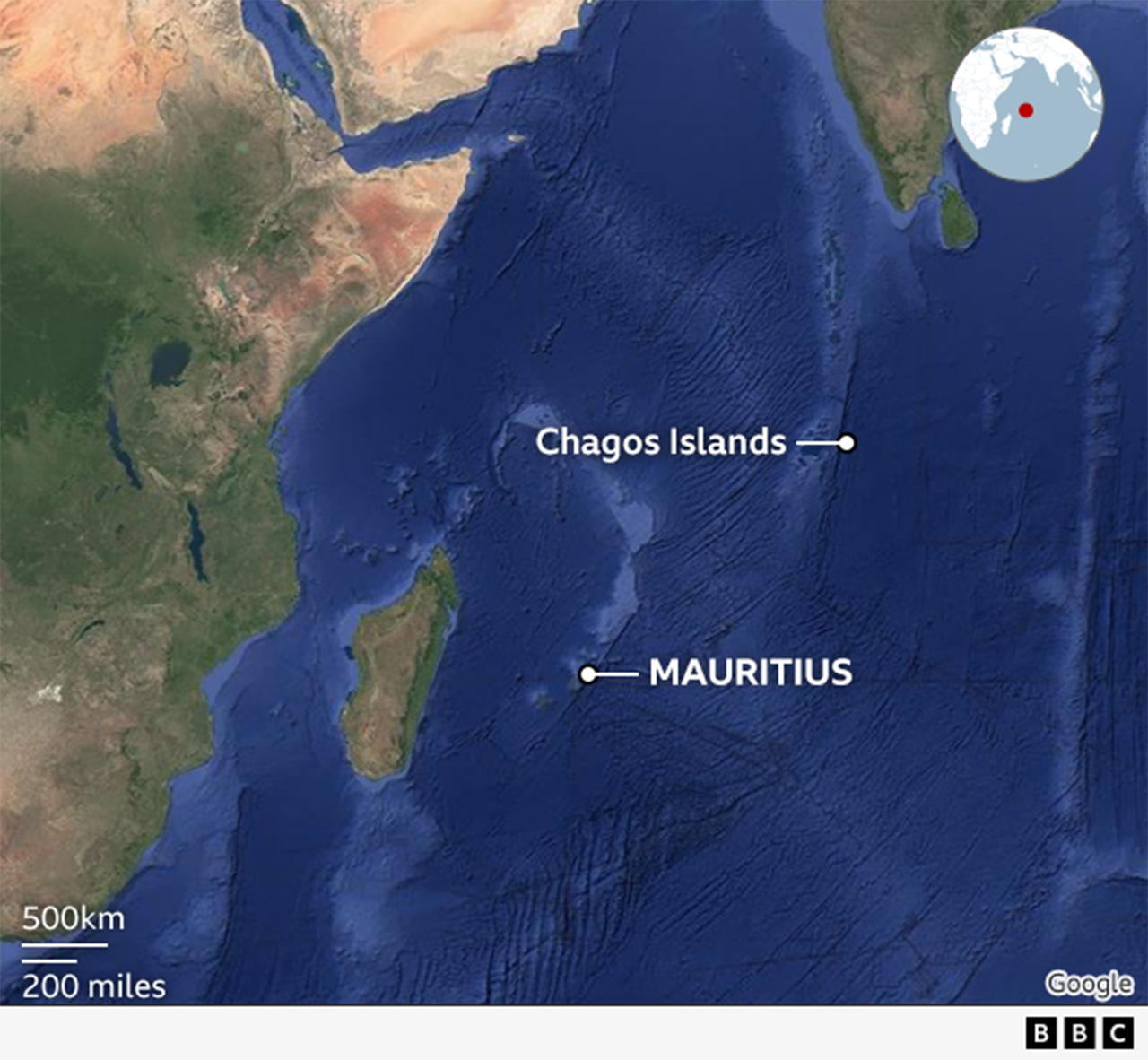
The Chagos Islands, located in the Indian Ocean, have become one of the most disputed territories in contemporary geopolitics. The islands are significant not only for their strategic military importance but also due to ongoing legal battles surrounding sovereignty and human rights. The situation has captured international attention and raises vital questions about colonial legacies and self-determination for indigenous peoples.
Historical Context
The United Kingdom took control of the Chagos Islands from Mauritius in 1965, establishing the British Indian Ocean Territory (BIOT). The islands’ most notable site, Diego Garcia, has been utilised by the United States for military purposes, especially during conflicts in the Middle East. However, this military significance has come at a considerable human cost; the indigenous Chagossians were forcibly removed from their homeland to make way for the base.
Recent Developments
In recent years, there have been significant legal developments regarding the Chagos Islands. In 2019, the International Court of Justice (ICJ) issued an advisory opinion stating that the UK should end its administration of the islands and that the Chagossians have a right to return. This opinion has been largely ignored by the UK government, which asserted that the sovereignty of the islands remains a matter for national security interests.
Additionally, the UN General Assembly passed a resolution calling on the UK to return the Chagos Islands to Mauritius. The ongoing dialogue regarding the future of the islands reflects broader tensions over colonial-era decisions and their consequences in contemporary times.
Importance of the Issue
The Chagos Islands represent a critical intersection of global security, human rights, and international law. The ongoing plight of the Chagossians highlights the need for justice and reparations for colonial injustices, prompting discussions about self-determination for displaced populations. Furthermore, with the geopolitical landscape shifting, particularly in terms of US-China relations, the strategic significance of the Chagos Islands may continue to influence diplomacy in the Indian Ocean region.
Conclusion
The Chagos Islands remain a focal point for discussions on sovereignty, colonialism, and international relations. As legal and diplomatic efforts continue, it is essential for policymakers and the global community to consider the implications of historical injustices. The fate of the Chagossians and ownership of the islands may very well impact future security dynamics in the Indian Ocean, illuminating the need to reconcile past mistakes with current geopolitical realities.