Introduction
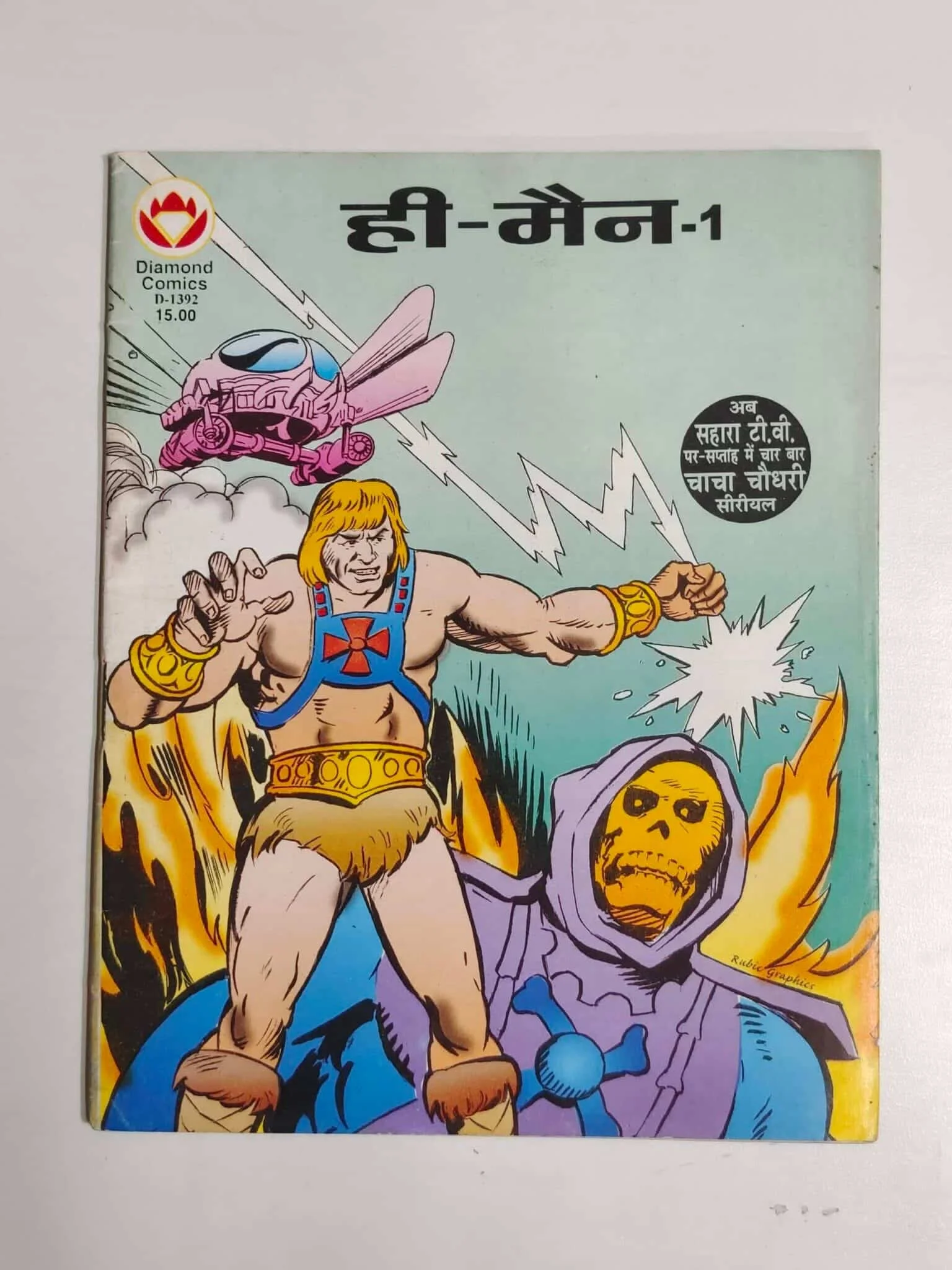
He-Man, the iconic hero from the 1980s, has maintained a significant presence in popular culture for decades. Originating from the “Masters of the Universe” franchise, He-Man first captured the imaginations of children through action figures and an animated series. The character’s enduring popularity reflects not only nostalgia but also a continuing influence on contemporary media and merchandise.
The Rise of He-Man
He-Man was created by Mattel and debuted in 1982 with the launch of the “Masters of the Universe” toy line. The character, known for his superhuman strength and fighting skills, quickly became a phenomenon. In 1983, the animated series “He-Man and the Masters of the Universe” premiered, further cementing his status as a cultural icon. The show featured He-Man battling the evil Skeletor in the mythical world of Eternia.
Modern Adaptations and Continuing Popularity
In recent years, He-Man has enjoyed a resurgence in popularity with new adaptations. Netflix launched “Masters of the Universe: Revelation” in 2021, a series aimed at both long-time fans and a new generation. The series reintroduced He-Man with a modern twist while honouring the original lore. Additionally, the ongoing demand for He-Man merchandise, from toys to apparel, showcases his strong brand appeal.
Impact on Pop Culture
He-Man’s influence extends beyond toys and television. The character has made various appearances in comic books, video games, and even a live-action film in 1987. The phrases “By the power of Grayskull” and “I have the power!” have entered popular vernacular, highlighting the character’s lasting impact. He-Man’s appeal lies in themes of heroism, friendship, and the battle between good and evil, which resonates deeply with audiences of all ages.
Conclusion
He-Man’s place in pop culture is secure, with a legacy that spans over four decades. As new generations discover his adventures through various media, it’s clear that He-Man will continue to inspire and entertain. The character’s success embodies the timeless appeal of heroic narratives, making He-Man not just a relic of the past but a significant figure in the present and future of entertainment.