Introduction
Energy is a fundamental component of modern society, powering everything from households to industries. The quest for sustainable and efficient energy sources has gained unprecedented urgency, driven by the challenges of climate change, dwindling natural resources, and increasing energy demands. Understanding the current landscape of energy production is critical for consumers, businesses, and policymakers alike.
Current Trends in Energy Production
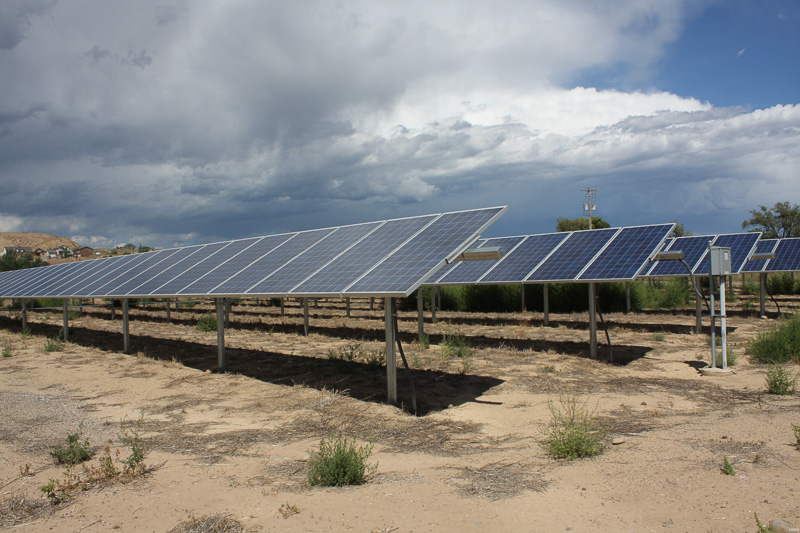
Recent advancements in renewable energy technologies have shifted the focus from traditional fossil fuels to more sustainable options. According to a report from the International Energy Agency (IEA), renewables accounted for nearly 30% of global electricity generation in 2022, with wind and solar power leading the charge. This shift is expected to accelerate in the coming years, with experts forecasting that renewables could represent over 60% of global electricity by 2030.
Innovations in Energy Technologies
One of the most promising developments in the energy sector is the rise of energy storage solutions. Innovations in battery technology, including solid-state batteries and lithium-sulphur batteries, are set to enhance the efficiency of renewable energy use. These advancements allow for better energy storage capacity, thus ensuring a more stable energy supply regardless of weather conditions.
Moreover, smart grid technology is revolutionising how electricity is distributed and consumed. These systems enable real-time data exchange between energy producers and consumers, which optimises energy use and reduces waste. As more cities adopt smart grid technologies, the potential for increased energy efficiency and reduced emissions grows significantly.
Challenges Ahead
Despite the positive trajectory towards renewable energy, several challenges remain. Regulatory frameworks often lag behind technological advancements, slowing down the adoption of new energy sources. Additionally, the transition to renewable energy requires significant capital investment and infrastructure development, which can be a barrier for many regions, especially in developing countries.
Conclusion
The future of energy production is poised for transformation as innovative technologies emerge and the global community prioritises sustainability. Policymakers and industry leaders must address regulatory hurdles and financial barriers to unlock the full potential of renewable energy sources. For consumers, understanding these developments is essential not only for individual choices but also for contributing to a collectively sustainable future. As we progress towards a greener world, the energy landscape will continue to evolve, highlighting the necessity for adaptability and forward-thinking in energy consumption and production.