Introduction
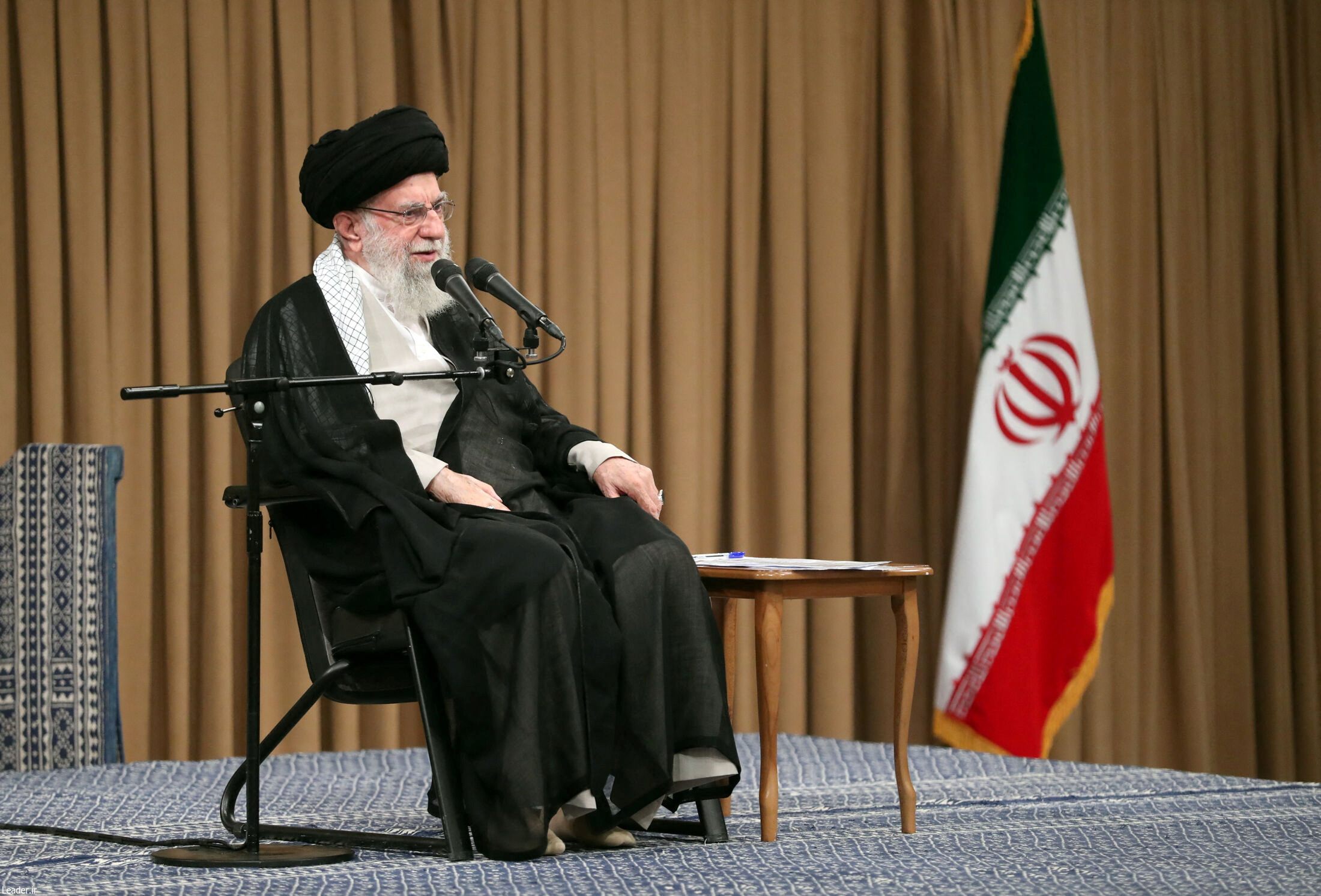
Ayatollah Ali Khamenei, the Supreme Leader of Iran, holds a pivotal position in the Islamic Republic’s governance and its geopolitical strategies. His role is not only critical within Iran but also influences regional stability and international relations. Understanding Khamenei’s leadership style and policies is essential to comprehending the current dynamics in the Middle East and beyond.
Background and Political Ascent
Born on July 17, 1939, in Mashhad, Iran, Khamenei was educated in Islamic theology and became an influential figure during the 1979 Iranian Revolution. Following the overthrow of the Shah, he was appointed as the President of Iran, a role he held until 1989. After the death of Ayatollah Khomeini, Khamenei was elected as the Supreme Leader, a position that grants him ultimate authority over all state matters.
Khamenei’s Policies and Governance Style
Khamenei’s leadership has been marked by a commitment to preserving the Islamic Republic’s values and resisting Western influence, particularly from the United States. His approach has involved strict adherence to Shiite Islamic principles and a focus on self-sufficiency within the economy. Khamenei has been a staunch supporter of Iran’s nuclear programme, arguing that it is vital for national security despite widespread international sanctions and isolation.
Recent Developments
In recent months, Khamenei has faced multiple challenges, including widespread protests over economic difficulties and dissatisfaction with the government. In response, he has emphasized the importance of stability and unity within Iran. Moreover, Khamenei’s rhetoric continues to juxtapose local dissent with external adversaries, particularly framing protests as being influenced or instigated by foreign powers. The Supreme Leader has also reaffirmed Iran’s strategic alliances, notably with Russia and China, in light of increasing tensions with the West.
Impact on Global Relations
Khamenei’s influence extends well beyond Iran’s borders. His support for groups like Hezbollah in Lebanon and support for the Assad regime in Syria underscore Iran’s role as a key player in regional conflicts. These actions contribute to ongoing tensions with Israel and Sunni Arab states, complicating diplomatic efforts in the region. Khamenei’s stance on international agreements, particularly regarding nuclear negotiations, remains a contentious issue that shapes global perception of Iran.
Conclusion
The significance of Ayatollah Ali Khamenei in both Iranian politics and broader international relations cannot be overstated. As Iran aims to navigate a complex web of internal dissent and external threats, Khamenei’s leadership will likely remain a central factor in shaping the future of the Islamic Republic and its role on the global stage. Observers will continue to watch his decisions closely as they could alter the trajectory of Iran’s policies and its interactions with the rest of the world.